What are the Top Nutrients for Healthy Hair in a Multivitamin?
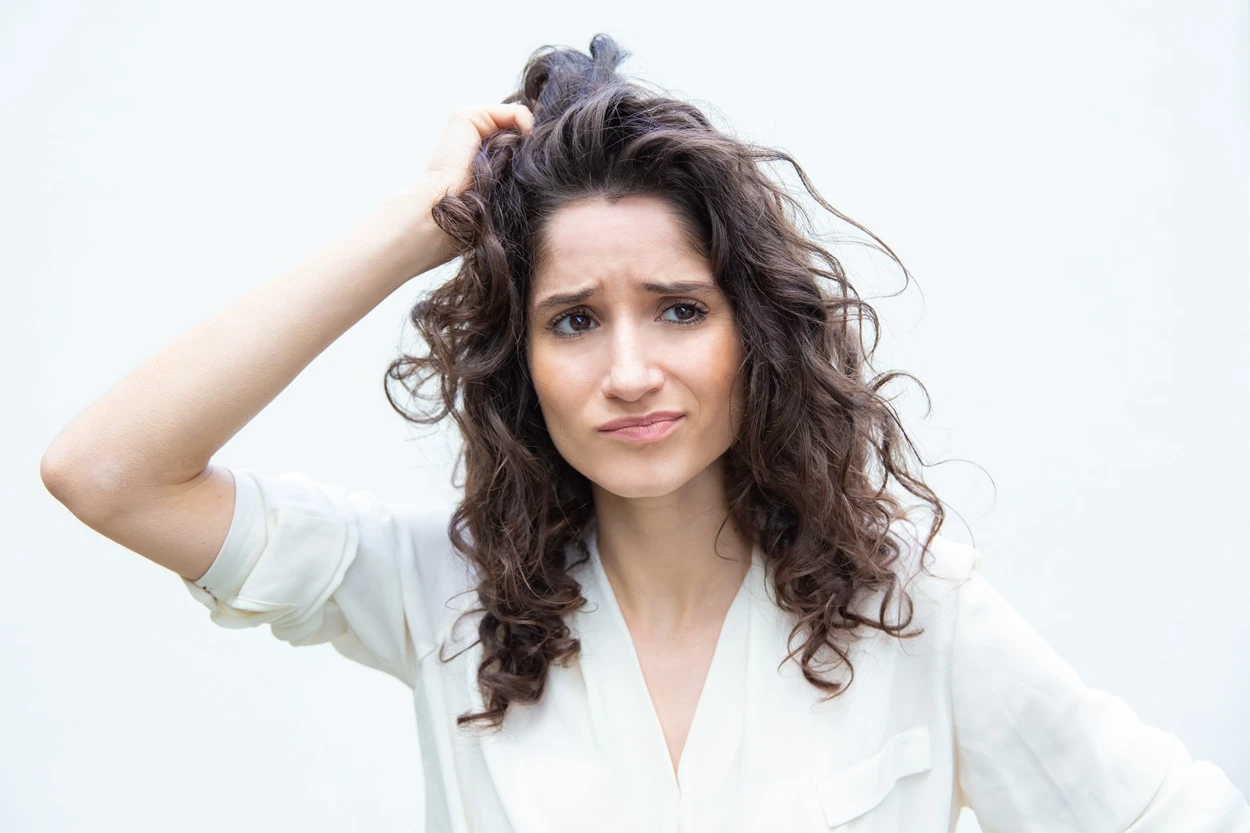


Hair loss affects millions of people worldwide, with nutritional deficiencies playing a significant role in hair thinning and poor hair quality. While genetics and hormones are primary factors in hair health, emerging research reveals that specific nutrients can dramatically impact hair growth, strength, and overall appearance. A well-formulated multivitamin for hair can bridge nutritional gaps that traditional diets often leave unfilled, providing targeted support for optimal hair follicle function.
This comprehensive guide examines the science-backed nutrients essential for healthy hair growth and how multivitamins can deliver these vital compounds in optimal ratios. Readers will discover which specific vitamins, minerals, and bioactive compounds research identifies as most beneficial for hair health, understand the mechanisms behind nutrient-driven hair growth, and learn how to evaluate multivitamin formulations for maximum hair benefits.
Hair follicles rank among the most metabolically active structures in the human body, requiring constant nutrient supply for optimal function. These tiny powerhouses undergo rapid cell division cycles every 2-7 years, demanding significant protein synthesis, energy production, and antioxidant protection. When nutrients run low, hair follicles are among the first to suffer since the body prioritizes vital organs over hair growth.
Modern dietary patterns often lack sufficient bioavailable nutrients essential for hair health. Many adults have suboptimal levels of at least three hair-critical nutrients, including iron, zinc, and biotin. These deficiencies manifest as increased hair shedding, reduced hair diameter, and compromised hair pigmentation. The fast-paced lifestyle common in urban areas often leads to poor eating habits that further worsen these nutritional gaps.
Food processing, soil depletion, and lifestyle factors significantly reduce nutrient density in contemporary diets. Hair growth vitamins become particularly important as hair follicles compete with vital organs for available nutrients, often receiving insufficient supply during periods of stress or inadequate nutrition. Even well-balanced diets may not provide therapeutic levels of nutrients needed for optimal hair health.
Biotin serves as a crucial cofactor in keratin production, the primary structural protein comprising 95% of hair shaft composition. This water-soluble vitamin supports the metabolic processes that create strong, healthy hair strands. Research shows that biotin supplementation can improve hair thickness and reduce breakage in individuals with biotin insufficiency.
Vitamin D receptors present in hair follicles regulate the anagen (growth) phase of the hair cycle. This sunshine vitamin plays a crucial role in creating new hair follicles and maintaining existing ones. People with low Vitamin D levels often experience increased hair shedding and slower growth rates compared to those with optimal levels.
Vitamin C facilitates collagen production essential for hair structure while enhancing iron absorption—a critical mineral for hair growth. This powerful antioxidant protects hair follicles from damage caused by free radicals. Without adequate Vitamin C, hair can become weak and prone to breakage, even when other nutrients are sufficient.
B vitamins, including B6, B12, and folate, support cellular energy production and protein synthesis crucial for hair follicle function. These vitamins work together to ensure proper blood flow to the scalp and efficient nutrient delivery to hair roots. Deficiencies in these vitamins can extend the resting phase of hair growth, resulting in increased hair loss and reduced growth rates.
Did You Know? Hair follicles contain the second-highest concentration of stem cells in the human body, requiring 23 different nutrients for optimal regeneration. A single strand of hair can reveal nutritional status from up to 90 days prior, making hair analysis a valuable tool for assessing long-term nutrient adequacy.
Iron deficiency represents the most common nutritional cause of hair loss worldwide, particularly affecting women of reproductive age. Hair follicles require substantial oxygen delivery for rapid cell division, making adequate iron stores essential for maintaining normal hair growth cycles. Without enough iron, hair follicles cannot produce healthy strands efficiently.
Zinc participates in over 300 enzymatic reactions affecting hair growth, including protein synthesis, DNA replication, and hormone metabolism. This essential mineral helps maintain the oil glands around hair follicles and supports proper immune function. Zinc deficiency can cause hair to enter premature resting phases, leading to diffuse hair thinning.
Selenium supports thyroid hormone metabolism, which directly influences hair growth rates and texture. Additionally, selenium-dependent enzymes protect hair follicles from oxidative damage that can impair growth and cause premature graying. This trace mineral works as part of the body's natural antioxidant defense system.
Copper enables melanin synthesis responsible for hair pigmentation while supporting collagen and elastin formation in hair structure. This mineral is essential for maintaining hair color and preventing premature graying. Copper deficiency can result in weakened hair shafts prone to breakage and loss of natural hair color.
Hair consists primarily of keratin proteins rich in sulfur-containing amino acids cysteine and methionine. These amino acids form disulfide bonds that provide hair strength and elasticity. When choosing the best hair vitamins, look for formulations that include these amino acids to support optimal keratin synthesis and hair structure.
Collagen provides structural scaffolding around hair follicles while contributing amino acids for keratin production. This protein helps maintain scalp health and supports the dermal papilla cells that regulate hair growth. Collagen supplementation can increase hair diameter and improve hair hydration within several weeks of consistent use.
Hair follicles generate significant oxidative stress during rapid cell division phases. Antioxidants like Vitamin E, Vitamin C, and selenium neutralize free radicals that can damage follicle DNA and impair growth signaling pathways. This protection is especially important in urban environments where pollution and stress increase oxidative damage.
Chronic inflammation around hair follicles can disrupt normal growth cycles and contribute to hair loss conditions. Antioxidants with anti-inflammatory properties help maintain optimal scalp environment for hair growth. These compounds work to reduce inflammation that can interfere with nutrient delivery to hair roots.
Not all vitamin forms offer equal absorption and utilization. Methylated B vitamins, chelated minerals, and bioactive vitamin forms provide superior bioavailability compared to synthetic alternatives commonly found in basic multivitamins. When selecting nutrients for healthy hair, prioritize formulations with superior ingredients, highly absorbable formats, palatable flavors that ensure consistent daily intake.
Effective hair supplement benefits require nutrients in therapeutic ranges that exceed basic RDA recommendations. Research-backed dosages often provide 2-10 times RDA levels for specific hair-critical nutrients while maintaining safety margins. Look for multivitamins that provide meaningful amounts of each nutrient rather than token doses.
Quality multivitamins for hair avoid artificial colors, preservatives, and fillers that can interfere with nutrient absorption. Additionally, proper formulation prevents nutrient interactions that could reduce bioavailability or effectiveness. Choose products that prioritize clean formulations without unnecessary additives.
Hair growth occurs in predictable cycles lasting 2-7 years, with visible improvements typically appearing after 2-3 months of consistent supplementation. The anagen (growth) phase must be supported continuously for optimal results. Patience is key when using nutritional support for hair health, as changes happen gradually.
Individual response to nutrients for healthy hair varies based on baseline nutritional status, genetics, hormonal factors, and overall health. People with severe deficiencies may see improvements within 4-6 weeks, while those with marginal deficiencies require longer supplementation periods. Consistency in taking supplements is crucial for achieving the best results.
Most individuals begin noticing improvements in hair texture and reduced shedding within 6-8 weeks of consistent supplementation. Visible increases in hair density and growth typically become apparent after 3-4 months, as new hair must grow through the scalp surface to be noticeable.
Excessive intake of certain nutrients, particularly Vitamin A and selenium, can paradoxically cause hair loss. Following recommended dosages and choosing properly formulated multivitamins prevents nutrient toxicity while providing optimal hair support.
Most hair vitamins are safe for healthy adults, but certain nutrients can interact with medications. Iron can reduce antibiotic absorption, while high-dose biotin can interfere with laboratory test results. Consulting healthcare providers before starting supplementation ensures safety and prevents interactions.
While core nutrients remain similar, men and women may benefit from different dosages due to varying iron needs, hormonal differences, and hair loss patterns. Women typically require higher iron levels, while men may benefit from nutrients that support DHT regulation.
Multivitamins supplement rather than replace a balanced diet rich in protein, healthy fats, and diverse nutrients. Whole foods provide additional compounds like phytonutrients and fiber that support overall health and optimize nutrient utilization for hair growth.
Scientific evidence clearly demonstrates that specific nutrients play crucial roles in maintaining healthy hair growth, structure, and appearance. A well-formulated multivitamin for hair can effectively address common nutritional gaps that impact hair health, providing bioavailable forms of essential vitamins, minerals, and supporting compounds in therapeutic dosages. The most beneficial nutrients include biotin, iron, zinc, Vitamin D, and B-complex vitamins, working synergistically to support optimal hair follicle function and keratin production. Understanding the science behind nutrient-dependent hair growth empowers individuals to make informed decisions about supplementation while maintaining realistic expectations about timing and results. Quality multivitamins designed specifically for hair health offer a convenient, research-backed approach to supporting hair growth from within, complementing proper hair care practices and healthy lifestyle choices for optimal outcomes.




Someone sent you
Powered by ReferRush


