7 Pro Tips: Optimal Whey Protein Isolate Dosage
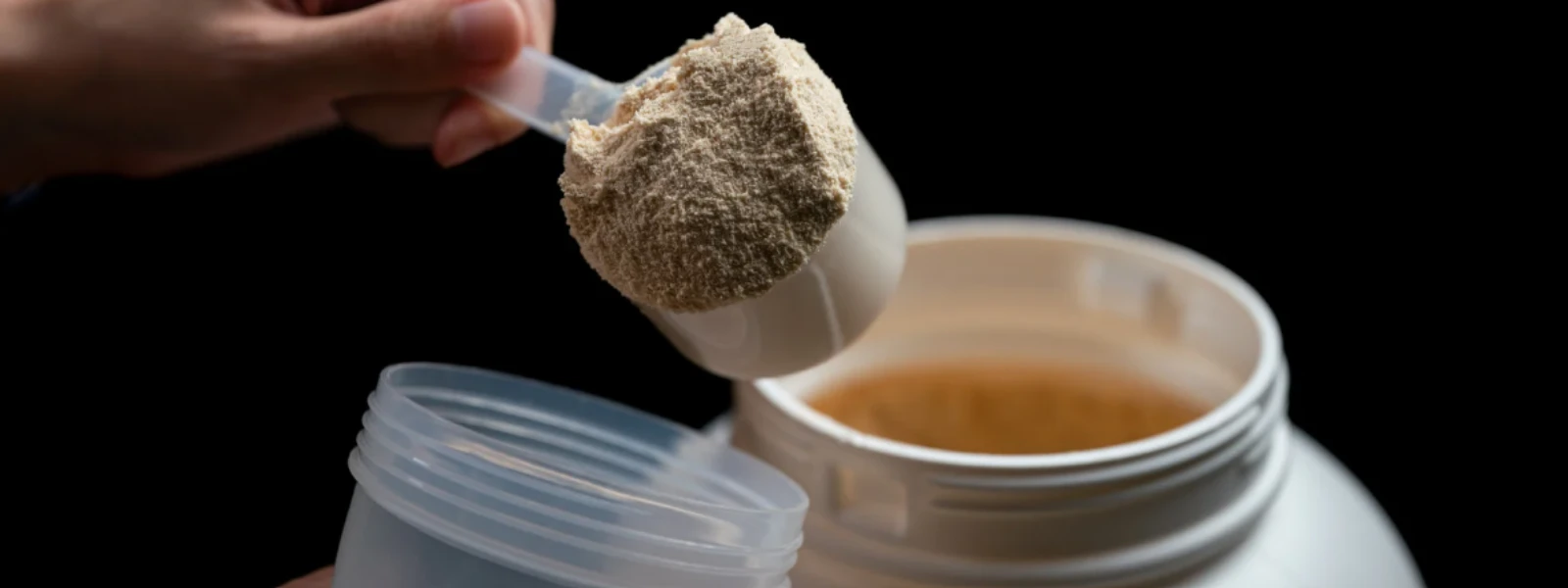


Protein powder sits in countless kitchen cabinets, yet many people struggle with one fundamental question: how much should they actually take? With conflicting advice ranging from "one scoop is enough" to "load up for maximum gains," it's no wonder confusion surrounds whey protein isolate dosage.
Getting your daily protein intake right isn't just about muscle growth. Research shows that optimal protein consumption affects everything from sleep quality to stress management and cognitive function. The key lies in understanding your individual needs and timing your intake strategically.
This guide breaks down seven evidence-based tips to help you determine the perfect whey protein isolate dosage for your lifestyle, goals, and body. You'll learn how to calculate your personal requirements, optimize timing for maximum benefits, and avoid common mistakes that limit results.
Your optimal whey protein isolate dosage starts with understanding your total daily protein needs. The general recommendation ranges from 0.8 to 2.2 grams per kilogram of body weight, depending on your activity level and goals.
For sedentary individuals, one scoop (approximately 25 grams) of whey protein isolate daily often suffices to supplement dietary protein. Active individuals typically benefit from 2-3 scoops (50-75 grams) spread throughout the day. Athletes and bodybuilders may require up to 3 scoops, though this should be done under professional guidance.
A 70-kilogram person engaging in regular exercise would need roughly 112-154 grams of total protein daily. If their diet provides 80 grams from whole foods, 1-2 scoops of whey protein isolate would help meet their target.
Whey protein isolate works best as a supplement to, not a replacement for, whole food protein sources. Before determining your dosage, assess how much protein you're already getting from meals.
Track your protein intake for a few days, including sources like chicken, fish, eggs, dairy, legumes, and nuts. This baseline helps you understand where whey protein isolate fits into your nutrition plan. The goal is filling gaps, not overloading your system with unnecessary protein.
For example, someone eating protein-rich meals throughout the day might only need one scoop post-workout, while someone with a plant-based diet might benefit from two scoops to reach optimal levels.
Timing significantly impacts how effectively your body uses whey protein isolate. The post-workout window, typically 30-60 minutes after exercise, represents the most researched timing for muscle protein synthesis.
However, protein timing extends beyond just post-workout consumption. Taking whey protein isolate between meals helps maintain steady amino acid levels in your bloodstream. Some research suggests consuming protein before workouts can provide sustained energy and reduce muscle breakdown during training.
Evening intake deserves special attention for its sleep benefits. Consuming whey protein isolate 1-2 hours before bed can support overnight recovery and potentially improve sleep quality through its amino acid profile.
Research indicates that your body can only effectively utilize 20-30 grams of protein per serving for muscle protein synthesis. This finding suggests that taking multiple smaller doses throughout the day proves more beneficial than consuming large amounts at once.
Spreading your whey protein isolate intake across 2-3 servings allows for better absorption and sustained amino acid availability. This approach supports continuous muscle protein synthesis rather than overwhelming your digestive system with more protein than it can process efficiently.
For most people, taking two scoops simultaneously isn't optimal. Instead, consider one scoop post-workout and another between meals or before bed for maximum benefit.
Whey protein isolate contains tryptophan, an amino acid that serves as a precursor to serotonin and melatonin - hormones crucial for sleep regulation. This connection makes evening protein consumption particularly valuable for sleep quality.
Research suggests that consuming 25-30 grams of protein 1-2 hours before bed can improve sleep quality and support overnight muscle recovery. The slow digestion of protein provides a steady supply of amino acids throughout the night, supporting various recovery processes.
Combining whey protein isolate with a small amount of carbohydrates in the evening can enhance these sleep benefits by facilitating tryptophan transport across the blood-brain barrier.
Did You Know?
Studies show that consuming protein before bed doesn't interfere with sleep quality when taken 1-2 hours before lying down. In fact, it may improve sleep efficiency and morning alertness through better overnight recovery processes.
Adequate protein intake supports neurotransmitter production, including dopamine and norepinephrine, which affect mood and cognitive function. Whey protein isolate provides essential amino acids that serve as building blocks for these important brain chemicals.
Consistent protein consumption helps stabilize blood sugar levels, reducing cortisol spikes that contribute to stress. This stability supports better stress management and cognitive performance throughout the day.
For cognitive benefits, spreading protein intake across meals maintains steady amino acid availability for neurotransmitter synthesis. One scoop of whey protein isolate between meals can contribute to this steady supply.
For most healthy individuals, 1-2 scoops of whey protein isolate daily falls within safe consumption ranges. This typically provides 25-50 grams of high-quality protein without overwhelming the kidneys or digestive system.
The upper limit for most people reaches around 4 scoops daily, though this should only be considered under medical guidance and for specific athletic or therapeutic purposes. Exceeding this amount rarely provides additional benefits and may cause digestive discomfort.
Signs of overconsumption include digestive issues, dehydration, kidney strain, or nutrient imbalances from displacing other important foods in your diet.
Beginners should start conservatively with one scoop daily to assess tolerance and gradually increase based on goals and response. This approach prevents digestive upset and allows for proper evaluation of benefits.
Individuals with kidney concerns should consult healthcare providers before increasing protein intake significantly. While healthy kidneys handle moderate protein increases well, existing kidney issues require professional monitoring.
Age-related changes in protein metabolism may require dosage adjustments. Older adults often benefit from slightly higher protein intake to maintain muscle mass, while younger individuals may need less for similar results.
The "more is better" mentality leads many people to overconsume whey protein isolate, expecting faster results. However, excess protein beyond your body's needs gets converted to energy or stored as fat, not additional muscle.
Conversely, taking too little protein relative to your training demands limits recovery and adaptation. Signs of underconsuming include slow recovery, persistent muscle soreness, and plateaued progress despite consistent training.
Monitor your body's response over 2-4 weeks to determine if your current dosage supports your goals effectively. Adjust gradually based on energy levels, recovery, and progress toward your objectives.
Taking all your daily protein at once represents a common timing mistake that reduces overall effectiveness. Your body can only process limited amounts per serving, making distribution throughout the day more beneficial.
Ignoring pre and post-workout timing opportunities also limits results. While post-workout protein gets the most attention, pre-workout consumption can provide sustained energy and reduce muscle breakdown during training.
Failing to consider sleep and stress factors when timing protein intake misses opportunities for additional benefits beyond muscle growth.
Realistic expectations help you evaluate whether your current whey protein isolate dosage works effectively. Initial benefits like improved recovery and energy may appear within 1-2 weeks, while muscle growth typically takes 4-8 weeks of consistent use combined with appropriate training.
Monitor sleep quality, stress levels, and cognitive function alongside physical changes. These factors often improve before visible muscle changes occur and indicate whether your protein timing and dosage support overall wellness.
Adjust your intake based on changing training demands, seasonal activity levels, or life stress. Periods of increased training may require higher protein intake, while reduced activity might call for lower amounts.
Everyone responds differently to protein supplementation based on genetics, training status, diet, and lifestyle factors. Pay attention to your individual response rather than following generic recommendations blindly.
Some people thrive on higher protein intakes, while others feel best with moderate amounts. Digestive comfort, energy levels, and progress toward goals provide better guidance than arbitrary numbers.
Consider consulting with healthcare professionals or registered dietitians for personalized recommendations, especially if you have specific health conditions or ambitious fitness goals.
While generally safe, spreading protein intake throughout the day maximizes absorption and muscle protein synthesis for most people. Your body can only effectively utilize 20-30 grams per serving, making single scoops more efficient.
For muscle building, 2-3 scoops daily is typically recommended, combined with resistance training and adequate total daily protein intake of 1.6-2.2 grams per kilogram body weight. Individual needs vary based on training intensity and current diet.
Optimal timing includes 30-60 minutes post-workout, between meals, and potentially before bed to maximize muscle protein synthesis throughout the day. Consistency matters more than perfect timing.
Beginners should start with 1 scoop daily, preferably post-workout, and gradually increase based on training intensity and dietary needs. This conservative approach prevents digestive issues and allows proper assessment of benefits.
Most standard whey protein isolate scoops contain approximately 25 grams of protein, though this varies by brand. Always check nutrition labels for exact amounts and serving sizes.
Determining your optimal whey protein isolate dosage requires balancing multiple factors including your activity level, current diet, goals, and individual response. Start conservatively with 1-2 scoops daily, spread throughout the day for maximum absorption and benefits.
Remember that protein supplementation works best as part of a comprehensive approach to health that includes proper training, adequate sleep, and stress management. Monitor your progress over several weeks and adjust based on how you feel and perform rather than following rigid rules.
Consider whey protein isolate as a tool to support your overall wellness journey, not a magic solution. When used strategically with proper timing and dosage, it can significantly enhance your results and support multiple aspects of health beyond just muscle growth.




Someone sent you
Powered by ReferRush


