7 Proven Relaxation Techniques to Crush Stress
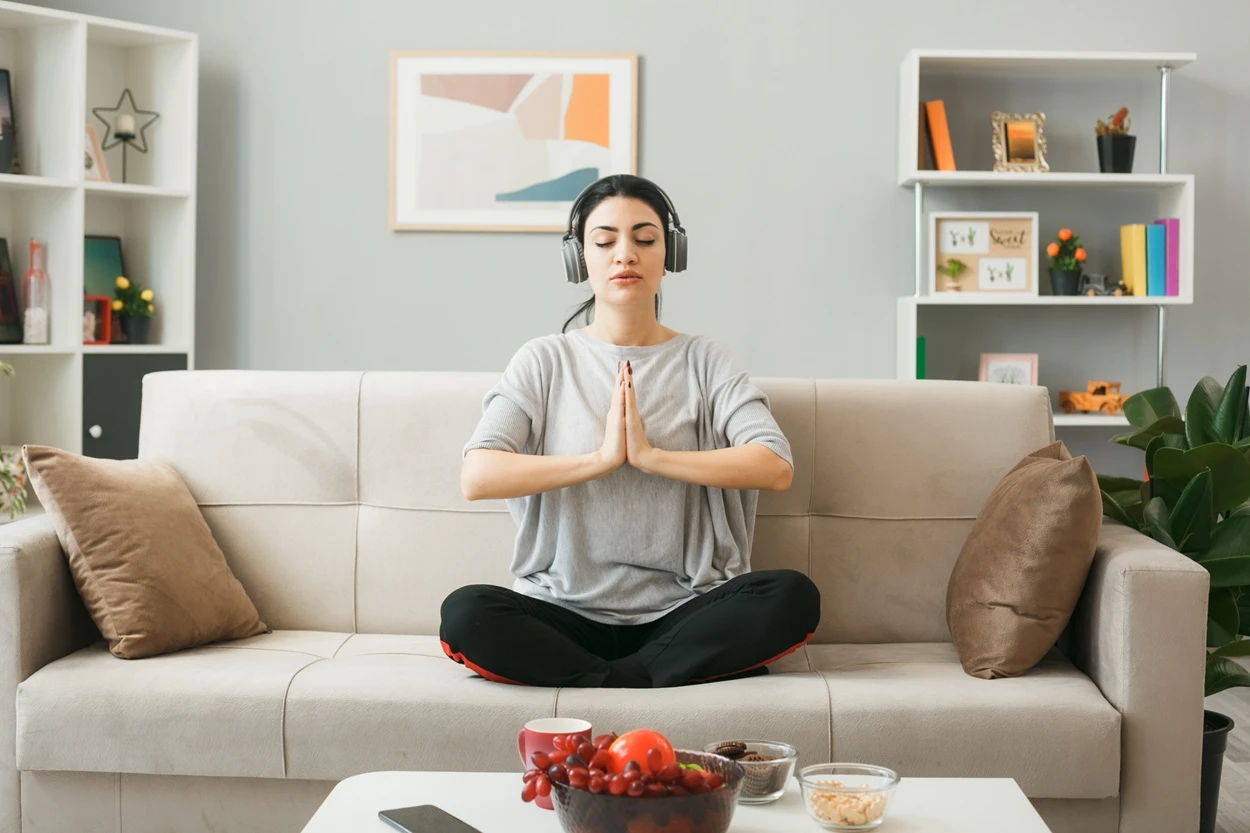


In today's fast-paced professional world, chronic stress affects millions of working adults, leading to decreased productivity and compromised well-being. While work demands continue to grow, research shows that simple relaxation techniques for stress can create powerful changes in how your brain responds to pressure. These science-backed methods don't require hours of practice or expensive equipment.
This guide presents seven proven relaxation techniques designed for busy professionals to crush stress. Each technique is supported by research and can be done in 15 minutes or less. You'll learn how to activate your body's natural relaxation response, reduce stress hormones, and improve your mental clarity through practical stress management approaches that fit seamlessly into your daily routine.
When you experience stress, your body releases cortisol and adrenaline. These hormones prepare you for immediate action, but when stress becomes chronic, they can harm your health. Elevated stress hormones can weaken your immune system, disrupt sleep patterns, and affect your ability to concentrate.
Research shows that prolonged stress can change brain structure, particularly in areas responsible for memory and decision-making. This explains why stressed individuals often struggle with focus and problem-solving. Understanding these changes helps you recognize why stress relief practices are essential for both mental and physical health.
Relaxation methods activate your parasympathetic nervous system, often called the "rest and digest" response. This system counteracts stress by slowing your heart rate, lowering blood pressure, and reducing muscle tension. When you practice relaxation techniques regularly, you train your body to return to this calm state more quickly.
Studies indicate that consistent practice of stress relief techniques can improve emotional regulation and increase resilience to future stressors. These changes occur at the cellular level, making relaxation practices a powerful tool for long-term wellness.
This simple deep breathing technique can calm your nervous system within minutes. Sit comfortably and exhale completely. Inhale through your nose for 4 counts, hold your breath for 7 counts, then exhale through your mouth for 8 counts. Repeat this cycle 3-4 times.
The extended exhale activates your vagus nerve, which signals your brain to relax. This technique is particularly effective before important meetings or during high-pressure situations. Many professionals use this method in their car before entering the office or during bathroom breaks.
Box breathing involves equal counts for each phase of breathing. Inhale for 4 counts, hold for 4 counts, exhale for 4 counts, and pause for 4 counts. This rhythmic pattern helps regulate your heart rate and improves concentration.
This technique requires no special equipment and can be practiced anywhere. Research suggests that just 5 minutes of box breathing can enhance cognitive performance for up to two hours. It's an excellent method for maintaining focus during long work sessions.
Pro Tip: "The Power of Breath Awareness"
"Your breath is always available as an anchor to the present moment. When stress levels rise, simply noticing your natural breathing pattern for 30 seconds can begin to shift your nervous system toward relaxation. The key is consistency – even brief moments of breath awareness throughout the day compound into significant stress reduction benefits."
You don't need hour-long sessions to benefit from meditation for stress. Micro-meditations lasting 2-5 minutes can provide significant relief. Find a quiet spot, close your eyes, and focus on your breath. When your mind wanders, gently return attention to your breathing.
These brief practices are perfect for busy professionals. You can do them between meetings, during lunch breaks, or while commuting. Research shows that even short meditation sessions can reduce anxiety and improve emotional balance.
Create mental boundaries between work tasks using mindful transitions. Before starting a new project, take 60 seconds to breathe deeply and set an intention. This practice helps prevent stress from accumulating throughout the day.
Mindful transitions also improve work quality by helping you approach each task with fresh focus. Many successful professionals use this technique to maintain peak performance during demanding schedules.
This technique involves tensing and relaxing different muscle groups to release physical stress. Start with your toes, tense the muscles for 5 seconds, then release. Move systematically through your body – legs, abdomen, arms, shoulders, and face.
Progressive muscle relaxation is especially beneficial for people who carry stress in their muscles. It can be adapted for office use by focusing on areas like shoulders and neck. Regular practice helps you become more aware of tension and release it before it becomes problematic.
Simple stretches can provide immediate stress relief while improving circulation. Neck rolls, shoulder shrugs, and gentle spinal twists can be done at your desk. These movements help counteract the physical effects of prolonged sitting and mental stress.
Stretching also promotes the release of endorphins, your body's natural mood elevators. A 5-minute stretching routine every few hours can significantly improve your comfort and stress levels throughout the workday.
The most effective relaxation practices are those you can maintain consistently. Start with just one technique and practice it daily for a week before adding others. Choose methods that align with your lifestyle and preferences.
Research emphasizes that regular, brief practices create more lasting benefits than sporadic, lengthy sessions. Your brain adapts better to consistent input, making daily 5-minute practices more effective than weekly 30-minute sessions.
Link relaxation techniques to existing habits for better adherence. Practice deep breathing while your coffee brews, do progressive muscle relaxation before bed, or use mindful transitions between meetings. This approach makes stress relief feel natural rather than burdensome.
Just as nutritional wellness benefits from superior ingredients, highly absorbable formats, and palatable flavors, effective stress management requires techniques that are accessible, practical, and enjoyable. When relaxation methods fit seamlessly into your life, you're more likely to maintain them long-term.
Monitor how relaxation techniques affect your daily experience. Notice improvements in sleep quality, energy levels, and emotional balance. Keep a simple log of which techniques you use and how you feel afterward.
Physical indicators of reduced stress include lower resting heart rate, improved digestion, and fewer tension headaches. Professional benefits might include better decision-making, increased creativity, and improved relationships with colleagues.
Time constraints are the most common barrier to stress management. Remember that even 60 seconds of conscious breathing provides benefits. Quality matters more than quantity when establishing relaxation habits.
If you feel self-conscious about practicing relaxation techniques at work, start with discrete methods like breath awareness or mental transitions. As you experience benefits, you may feel more comfortable incorporating other practices.
Most people notice immediate benefits like reduced tension and improved mood within the first session. Long-term changes in stress resilience typically develop over 2-4 weeks of consistent practice. The key is regular use rather than perfect execution.
Yes, most techniques in this guide are designed for discrete use. Deep breathing techniques, mindful transitions, and subtle stretching can be done at your desk or during brief breaks. Choose methods that fit your workplace environment and comfort level.
Research shows that as little as 2-5 minutes of daily practice can produce meaningful stress reduction. Consistency is more important than duration. Three brief sessions throughout the day often work better than one longer session.
For mental stress and overthinking, breathing exercises and meditation prove most effective. For physical tension, progressive muscle relaxation and stretching provide optimal relief. For emotional stress, mindfulness practices offer the greatest benefits.
During high-stress times, focus on the most accessible techniques like conscious breathing or brief body awareness. Even 30 seconds of intentional relaxation can help. Consider these practices as performance tools rather than additional tasks to make them easier to prioritize.
These seven proven relaxation techniques for stress offer practical, science-backed solutions for managing workplace pressure and improving overall well-being. From rapid breathing exercises that calm your nervous system within minutes to progressive muscle relaxation that addresses physical tension, these methods provide comprehensive tools for modern stress management challenges.
The key to successful stress relief lies in consistent application rather than perfect execution. Start with one or two techniques that fit your schedule and gradually build a personalized stress management toolkit. As research consistently shows, professionals who prioritize stress relief through structured relaxation methods experience improvements in focus, creativity, and job satisfaction. Consider exploring comprehensive wellness approaches that support your journey toward better stress management and overall health optimization.




Someone sent you
Powered by ReferRush


