How Whey Protein Isolate Works for Muscle Growth
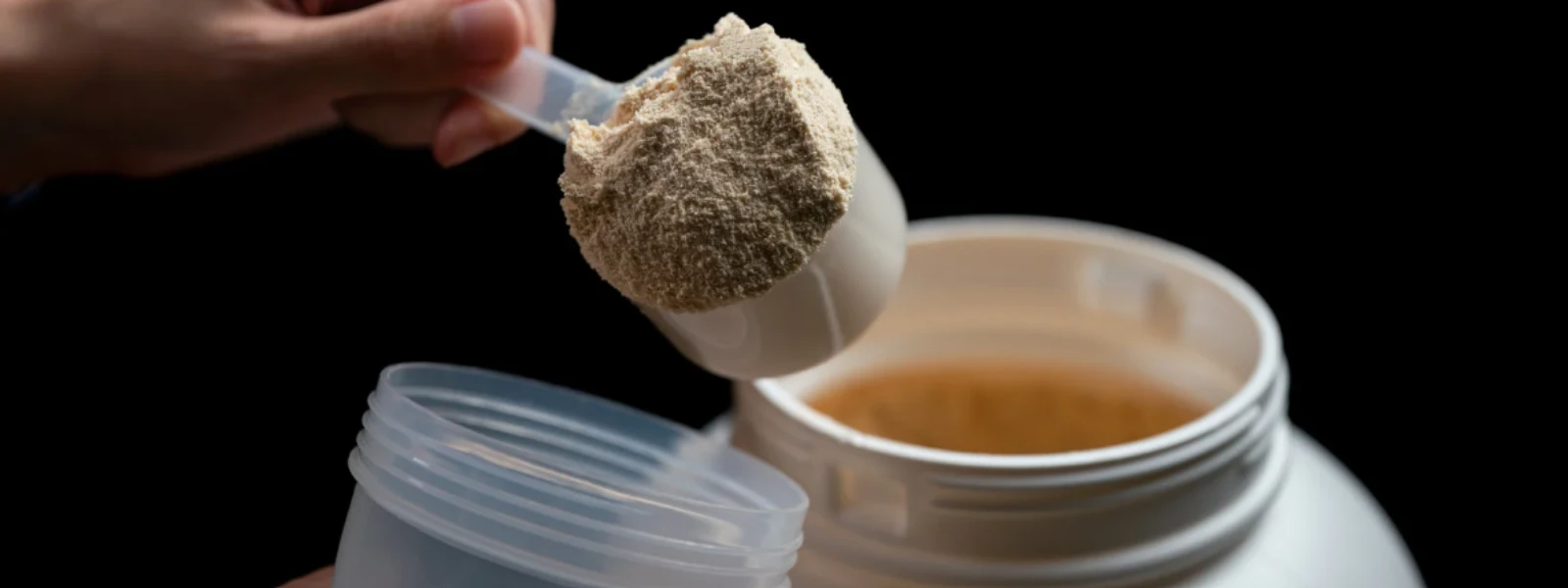


Your muscles are constantly breaking down and rebuilding themselves. This natural process, called protein turnover, determines whether you gain muscle, lose it, or stay the same. Whey protein isolate has emerged as one of the most effective supplements to tip this balance in favor of muscle growth. But how exactly does this refined protein powder work at the cellular level to build lean muscle mass?
Understanding how whey protein isolate works involves exploring its unique properties, absorption characteristics, and the complex biological mechanisms it triggers in your body. This comprehensive guide will walk you through the science behind whey protein isolate, from the moment it enters your digestive system to its role in muscle protein synthesis and recovery.
Whey protein isolate represents the purest form of whey protein available. During manufacturing, whey undergoes additional filtration processes that remove most fats, carbohydrates, and lactose, resulting in a product that is typically 90-95% pure protein. This high level of purity sets it apart from whey protein concentrate, which contains 70-80% protein.
The manufacturing process involves microfiltration or ion exchange methods that preserve the protein's natural structure while eliminating unwanted components. This results in a powder that dissolves easily, digests quickly, and provides maximum protein content per serving.
Whey protein isolate offers several advantages over other protein sources when it comes to muscle growth. Unlike casein protein, which forms a gel in the stomach and releases amino acids slowly over several hours, whey protein isolate is rapidly absorbed. This quick absorption makes it ideal for post-workout nutrition when your muscles need immediate amino acid delivery.
The bioavailability of whey protein isolate is exceptionally high, meaning your body can efficiently use nearly all the protein you consume. This efficiency stems from its complete amino acid profile, which includes all nine essential amino acids in optimal ratios for human muscle protein synthesis.
One of the most significant advantages is its leucine content. Leucine is a branched-chain amino acid that serves as the primary trigger for muscle protein synthesis. Whey protein isolate contains approximately 2.5-3 grams of leucine per 25-gram serving, which meets the threshold needed to maximally stimulate muscle building processes.
When you consume whey protein isolate, a sophisticated digestive process begins immediately. In your stomach, pepsin enzymes start breaking down the protein into smaller peptide chains. The rapid digestion of whey protein isolate means this initial breakdown happens faster than with whole food proteins or other protein supplements.
Within 20-30 minutes of consumption, these peptides move into your small intestine, where specialized enzymes called peptidases further break them down into individual amino acids and small peptide chains. These components are then absorbed through the intestinal wall into your bloodstream.
Research shows that amino acid levels in your blood reach their peak approximately 60-90 minutes after consuming whey protein isolate. This rapid absorption creates what scientists call an "amino acid spike" that provides your muscles with the building blocks they need for growth and repair.
The efficiency of this absorption process depends on several factors, including your digestive health, the presence of other nutrients, and whether you consume the protein on an empty stomach or with food. Taking whey protein isolate on an empty stomach typically results in faster absorption, while consuming it with carbohydrates can enhance its muscle-building effects through improved insulin response.
Did You Know?
Whey protein isolate is absorbed so efficiently that within two hours of consumption, amino acid levels in your blood return to baseline levels. This rapid clearance is why timing and frequency of consumption matter for maximizing muscle growth benefits.
The real magic of whey protein isolate happens at the cellular level through a process called muscle protein synthesis. When amino acids from whey protein isolate enter your muscle cells, they activate a complex signaling pathway that ultimately leads to new muscle protein formation.
The key player in this process is leucine, which acts as a molecular switch that turns on muscle protein synthesis. When leucine levels in your muscle cells reach a certain threshold, it activates a protein called mTOR (mechanistic target of rapamycin). This activation sets off a cascade of cellular events that increase the production of new muscle proteins.
The mTOR pathway is like a master controller for muscle growth. When activated by leucine and other amino acids from whey protein isolate, mTOR signals your muscle cells to increase protein production. This process involves activating genes that code for muscle proteins and increasing the activity of cellular machinery responsible for protein assembly.
What makes whey protein isolate particularly effective is its ability to provide not just leucine, but all the essential amino acids needed to complete the muscle protein synthesis process. While leucine acts as the trigger, other amino acids serve as the building materials for new muscle tissue.
The anabolic response triggered by whey protein isolate typically lasts 3-5 hours, during which muscle protein synthesis rates can increase by 50-100% above baseline levels. This represents a significant opportunity for muscle growth, especially when combined with resistance training.
Understanding when and how much whey protein isolate to consume can significantly impact your muscle growth results. The timing of protein intake works synergistically with your training and natural circadian rhythms to maximize muscle protein synthesis.
Post-workout consumption remains the most researched and effective timing strategy. During the 30-120 minutes following resistance training, your muscles are primed for growth. This "anabolic window" represents a period when muscle protein synthesis is elevated, and providing amino acids through whey protein isolate can further enhance this response.
Research indicates that 20-25 grams of whey protein isolate provides enough leucine and total amino acids to maximally stimulate muscle protein synthesis in most individuals. This amount typically contains 2.5-3 grams of leucine, which meets the threshold for optimal mTOR activation.
For individuals with higher body weight or those engaged in intense training, doses up to 40 grams may provide additional benefits. However, consuming more than this amount in a single serving doesn't appear to further increase muscle protein synthesis rates, as the cellular machinery becomes saturated.
Distributing protein intake throughout the day can help maintain elevated amino acid levels and support continuous muscle protein synthesis. Consuming whey protein isolate every 3-4 hours ensures that your muscles have a steady supply of amino acids for growth and repair.
Exercise, particularly resistance training, creates microscopic damage in your muscle fibers. This damage is actually beneficial, as the repair process leads to stronger, larger muscles. Whey protein isolate plays a crucial role in this recovery process by providing the amino acids needed for tissue repair and adaptation.
The rapid absorption of whey protein isolate makes it particularly valuable for post-exercise recovery. The quick delivery of amino acids to damaged muscle tissue helps initiate repair processes and reduces the time needed for full recovery between training sessions.
Studies have shown that consuming whey protein isolate after exercise can reduce markers of muscle damage and inflammation. The amino acids, particularly leucine and the branched-chain amino acids, help minimize the inflammatory response while promoting faster tissue repair.
This recovery benefit extends beyond just muscle tissue. Whey protein isolate consumption has been associated with improved immune function following intense exercise, helping your body maintain its defense systems during periods of high training stress.
The protein also supports glycogen replenishment when consumed with carbohydrates, helping restore energy stores in your muscles for subsequent training sessions. This dual benefit of muscle repair and energy restoration makes whey protein isolate an excellent choice for athletes and fitness enthusiasts.
To get the most from whey protein isolate, several factors beyond timing and dosage come into play. The quality of the supplement, how you prepare it, and what you consume it with can all influence its effectiveness for muscle growth.
High-quality whey protein isolate should be minimally processed and free from artificial additives that might interfere with absorption. Look for products that have been third-party tested for purity and potency to ensure you're getting what the label claims.
Proper mixing is essential for optimal digestion and absorption. Use cold water or milk and mix thoroughly to prevent clumping, which can slow digestion. Some people find that using a blender or shaker bottle with a mixing ball helps achieve better consistency.
Avoid consuming whey protein isolate with high-fat meals immediately before or after, as fat can slow gastric emptying and delay amino acid absorption. However, combining it with simple carbohydrates can enhance its muscle-building effects by improving insulin response and amino acid uptake into muscle cells.
One common mistake is relying solely on supplements while neglecting whole food protein sources. Whey protein isolate works best as part of a balanced diet that includes various protein sources throughout the day. This approach ensures you get a full spectrum of nutrients needed for optimal muscle growth and overall health.
Visible muscle growth typically becomes apparent after 4-6 weeks of consistent use combined with regular resistance training. However, improvements in strength and recovery may be noticed within 1-2 weeks of starting supplementation.
While whey protein isolate is generally safe, consuming excessive amounts (more than 40-50 grams per serving) doesn't provide additional muscle-building benefits and may cause digestive discomfort. Stick to recommended dosages for optimal results.
Whey protein isolate can help maintain muscle mass and support protein synthesis even without exercise, but its muscle-building effects are significantly enhanced when combined with resistance training. Exercise provides the stimulus that maximizes the protein's anabolic potential.
Whey protein isolate offers faster absorption and higher leucine content compared to most whole food proteins, making it particularly effective for post-workout nutrition. However, whole foods provide additional nutrients and should remain the foundation of your protein intake.
Most people tolerate whey protein isolate well due to its low lactose content. However, individuals with severe dairy allergies should avoid it. Some people may experience mild digestive upset when first starting supplementation, which typically resolves as the body adapts.
Whey protein isolate works through a sophisticated biological process that begins with rapid digestion and absorption, followed by the delivery of essential amino acids to muscle tissue. The high leucine content triggers muscle protein synthesis through the mTOR pathway, while the complete amino acid profile provides the building blocks needed for new muscle formation. When used strategically with proper timing, dosage, and preparation, whey protein isolate can significantly enhance your muscle growth and recovery efforts. Understanding these mechanisms helps you make informed decisions about incorporating this powerful supplement into your fitness routine for optimal results.




Someone sent you
Powered by ReferRush


