What Makes Curcumin a Powerful Wellness Ingredient?
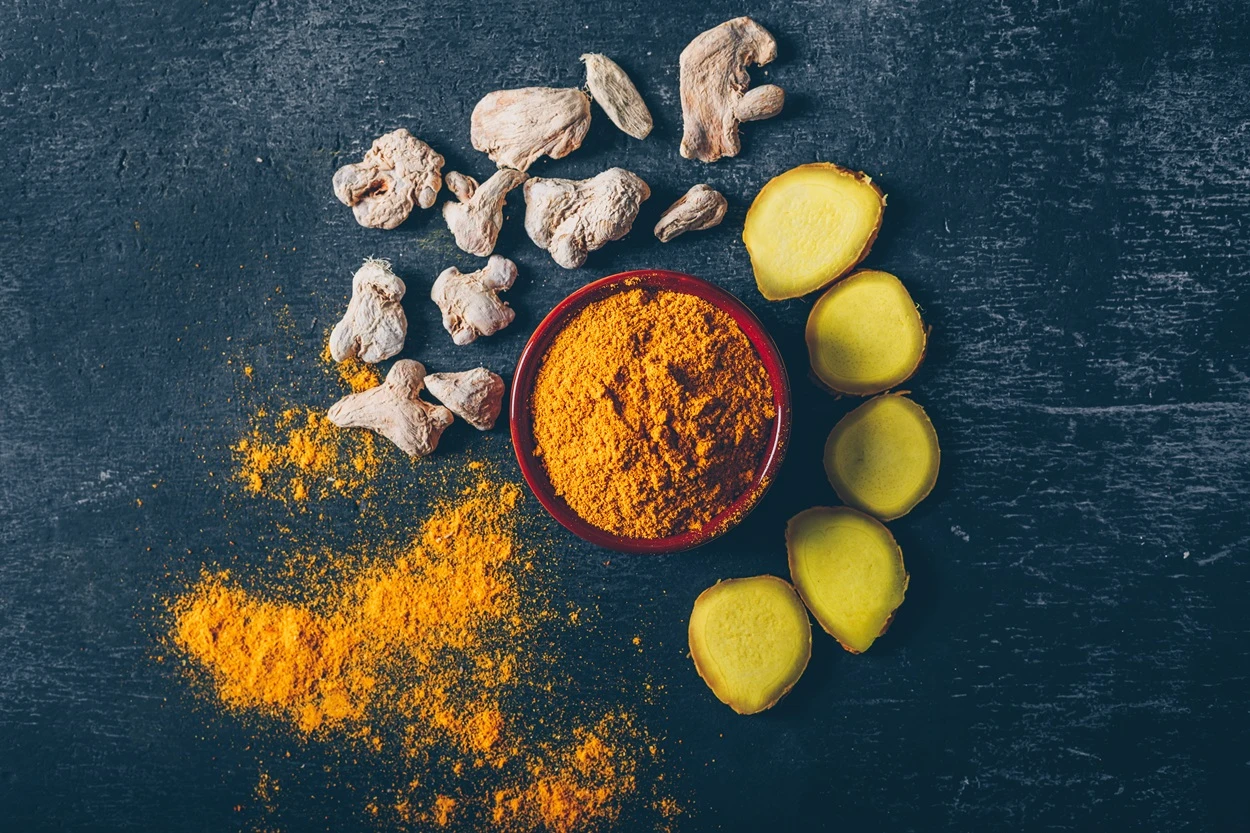


In the vast landscape of natural wellness ingredients, few compounds have garnered as much scientific attention as curcumin, the vibrant yellow bioactive component found in turmeric root. This remarkable polyphenol has emerged from ancient Ayurvedic medicine into modern research laboratories, where scientists are uncovering its profound impact on human health. Recent studies have revealed curcumin's unique ability to influence multiple biological pathways simultaneously, making it a standout ingredient in the wellness industry.
This comprehensive guide will explore the scientific mechanisms that make curcumin such a powerful wellness ingredient, examining its anti-inflammatory properties, cognitive benefits, stress-relieving capabilities, and sleep-enhancing effects. You'll discover how this golden compound works at the cellular level, understand the research supporting its various health applications, and learn how to optimize its benefits for your wellness routine. By the end of this post, you'll have a thorough understanding of why curcumin has earned its reputation as one of nature's most versatile therapeutic compounds.
Curcumin represents the primary bioactive compound in turmeric, comprising approximately 2-8% of most turmeric preparations. This polyphenolic compound exhibits a unique molecular structure that allows it to interact with multiple cellular targets at once. Scientists call this property "promiscuous binding" in pharmaceutical research.
The compound's therapeutic effects come from its ability to modulate over 700 genes and interact with numerous molecular targets. These include transcription factors, enzymes, and cell surface receptors. This multi-target approach sets curcumin apart from single-pathway pharmaceuticals. It enables the compound to address complex health conditions through various mechanisms.
Traditional curcumin faces significant absorption challenges. The compound breaks down quickly in the digestive system and has poor absorption rates. Standard curcumin has a plasma half-life of only 6-7 hours. Most of the compound gets metabolized by the liver before reaching the bloodstream.
Modern formulation technologies have solved these challenges through various enhancement methods. These include phospholipid complexation, nanoparticle delivery systems, and combination with piperine from black pepper extract. These innovations can increase absorption by 2000% or more compared to standard curcumin powder. Superior ingredients, highly absorbable formats, palatable flavors have made curcumin's therapeutic potential more accessible than ever before.
Curcumin's anti-inflammatory properties work through multiple sophisticated pathways. The compound directly blocks nuclear factor-kappa B (NF-κB), a master regulator of inflammatory responses. This regulator controls the expression of over 400 inflammatory genes. When NF-κB activation gets suppressed, the production of pro-inflammatory compounds decreases significantly.
Additionally, curcumin modulates the cyclooxygenase (COX) and lipoxygenase (LOX) pathways. This reduces the production of inflammatory mediators such as prostaglandins and leukotrienes. This dual action provides comprehensive inflammatory control without the stomach side effects associated with traditional anti-inflammatory medications.
Clinical trials have demonstrated curcumin's remarkable anti-inflammatory effects across various conditions. Research shows that curcumin supplementation can reduce C-reactive protein (CRP) levels significantly compared to placebo groups. This reduction matters clinically, as elevated CRP levels link to increased cardiovascular disease risk and chronic inflammatory conditions.
Expert Insight: "The Golden Standard"
"Curcumin's ability to simultaneously target multiple inflammatory pathways while maintaining an excellent safety profile makes it a gold standard in natural anti-inflammatory therapy. Unlike synthetic compounds that often target single pathways, curcumin's multi-modal approach addresses inflammation at its root causes."
Curcumin's brain health benefits extend far beyond simple antioxidant activity. The compound crosses the blood-brain barrier effectively, where it stimulates the production of brain-derived neurotrophic factor (BDNF). BDNF is a crucial protein responsible for neuron growth, survival, and synaptic plasticity. Research shows that curcumin supplementation can increase BDNF levels significantly in healthy adults within 12 weeks.
The compound also promotes neurogenesis in the hippocampus, the brain region critical for memory formation and learning. This brain cell growth effect is particularly important for maintaining cognitive function as we age. It may help protect against neurodegenerative diseases.
Clinical studies have consistently demonstrated curcumin's ability to enhance various aspects of cognitive performance. Research involving participants found that daily curcumin supplementation improved working memory scores and attention span compared to placebo groups over extended periods.
The compound's cognitive benefits appear to result from its ability to reduce brain inflammation, protect against oxidative stress, and optimize neurotransmitter function. Curcumin specifically supports the cholinergic system by blocking acetylcholinesterase, the enzyme responsible for breaking down acetylcholine. This neurotransmitter is essential for learning and memory.
Curcumin demonstrates remarkable ability to regulate the hypothalamic-pituitary-adrenal (HPA) axis, the body's primary stress response system. The compound helps normalize cortisol production patterns, preventing the chronic elevation that characterizes chronic stress conditions. Research shows that individuals taking curcumin supplements display lower morning cortisol levels and better cortisol rhythm regulation compared to control groups.
This stress-relieving effect occurs through curcumin's interaction with glucocorticoid receptors and its ability to modulate stress-response genes. The compound also supports the production of gamma-aminobutyric acid (GABA), the brain's primary calming neurotransmitter. This promotes feelings of calm and relaxation.
Unlike temporary stress relief methods, curcumin functions as an adaptogen, helping the body build long-term resilience to stressors. The compound enhances the efficiency of cellular stress response mechanisms, including heat shock protein production and antioxidant enzyme activation. This adaptogenic effect means that regular curcumin use can improve stress tolerance over time rather than simply masking stress symptoms.
Clinical evidence supports curcumin's role in reducing perceived stress levels and improving stress-related symptoms. Research found that participants taking curcumin reported lower stress perception scores and showed improved markers of psychological well-being after weeks of supplementation.
Curcumin's influence on sleep quality stems from its ability to regulate circadian rhythms and support natural melatonin production. The compound interacts with clock genes, particularly CLOCK and BMAL1, which control the body's internal timing mechanisms. Research indicates that curcumin supplementation can help reset disrupted circadian rhythms within 10-14 days of consistent use.
The compound also supports pineal gland function, enhancing the natural production and release of melatonin in response to darkness. This effect is particularly beneficial for individuals with irregular sleep schedules or those experiencing age-related declines in melatonin production.
Clinical sleep studies have revealed that curcumin supplementation can significantly improve sleep architecture, the structure and progression of sleep stages throughout the night. Participants taking curcumin showed longer periods of deep sleep and more REM sleep compared to placebo groups in sleep laboratory studies.
These improvements in sleep quality translate to better daytime functioning, with curcumin users reporting enhanced morning alertness, improved mood, and better cognitive performance. The compound's anti-inflammatory effects also contribute to sleep quality by reducing inflammatory compounds that can disrupt normal sleep patterns.
Optimal curcumin timing depends on your specific wellness goals. For anti-inflammatory and general health benefits, taking curcumin with meals enhances absorption due to the presence of dietary fats. Research suggests that morning administration provides the best support for circadian rhythm regulation and stress management throughout the day.
Clinical studies typically use dosages ranging from 500mg to 1000mg of bioavailable curcumin daily, though individual needs may vary. It's important to note that these dosages refer to enhanced-bioavailability formulations rather than standard curcumin powder, which requires much higher amounts to achieve therapeutic effects.
Curcumin's benefits can be amplified through strategic combinations with complementary compounds. Piperine from black pepper extract remains the most well-researched enhancer, increasing bioavailability by blocking liver metabolism. Other beneficial combinations include pairing curcumin with omega-3 fatty acids for enhanced anti-inflammatory effects and with Vitamin D for improved immune function support.
Lifestyle factors also influence curcumin's effectiveness. Regular exercise, adequate hydration, and consistent sleep schedules can enhance the compound's beneficial effects. Avoiding alcohol and excessive caffeine consumption helps maintain optimal absorption and metabolism of curcumin.
The timeline for experiencing curcumin's benefits varies depending on the specific health goal and individual factors. For anti-inflammatory effects, some people notice improvements within 1-2 weeks of consistent use. Cognitive benefits typically become apparent after 4-6 weeks, while stress relief and sleep quality improvements may be noticed within 2-3 weeks. For optimal results, consistent daily use for at least 8-12 weeks is recommended.
Curcumin generally combines well with most other supplements and can even enhance the effectiveness of certain nutrients. It pairs particularly well with omega-3 fatty acids, Vitamin D, and magnesium. However, it's important to space curcumin intake at least 2 hours away from iron supplements, as curcumin can reduce iron absorption. Always consult with a healthcare provider before combining multiple supplements, especially if you're taking medications.
Turmeric is the whole spice derived from the Curcuma longa plant, while curcumin is the primary active compound within turmeric. Turmeric contains only 2-8% curcumin by weight, along with other compounds. Curcumin supplements provide concentrated amounts of the active compound, typically standardized to 95% curcuminoids, making them more potent for therapeutic purposes than culinary turmeric.
Yes, several foods can naturally enhance curcumin absorption. Consuming curcumin with healthy fats like coconut oil, olive oil, or avocado improves absorption since curcumin is fat-soluble. Black pepper, which contains piperine, can increase bioavailability significantly. Taking curcumin with meals generally provides better absorption than taking it on an empty stomach.
Research supports the safety of daily curcumin supplementation for long-term use in healthy adults. Clinical studies lasting up to 3 years have shown no adverse effects from daily curcumin intake at therapeutic dosages. However, individuals with specific health conditions, those taking medications, or pregnant and breastfeeding women should consult healthcare providers before beginning long-term supplementation.
Curcumin stands as one of nature's most scientifically validated wellness ingredients, offering a unique combination of anti-inflammatory, cognitive, stress-relieving, and sleep-enhancing benefits. Its ability to modulate multiple biological pathways simultaneously, coupled with an excellent safety profile, makes it a valuable addition to comprehensive wellness routines. The compound's versatility in addressing interconnected aspects of health demonstrates why it has earned recognition as a powerful therapeutic agent. The growing body of clinical research continues to unveil new applications and mechanisms for curcumin's health benefits, while advances in bioavailability enhancement have made its therapeutic potential more accessible than ever. Whether you're seeking to support cognitive performance, manage stress, improve sleep quality, or maintain overall wellness, curcumin offers a science-backed approach to natural health optimization.




Someone sent you
Powered by ReferRush


