Morning Drinks to Lower LDL Cholesterol Naturally
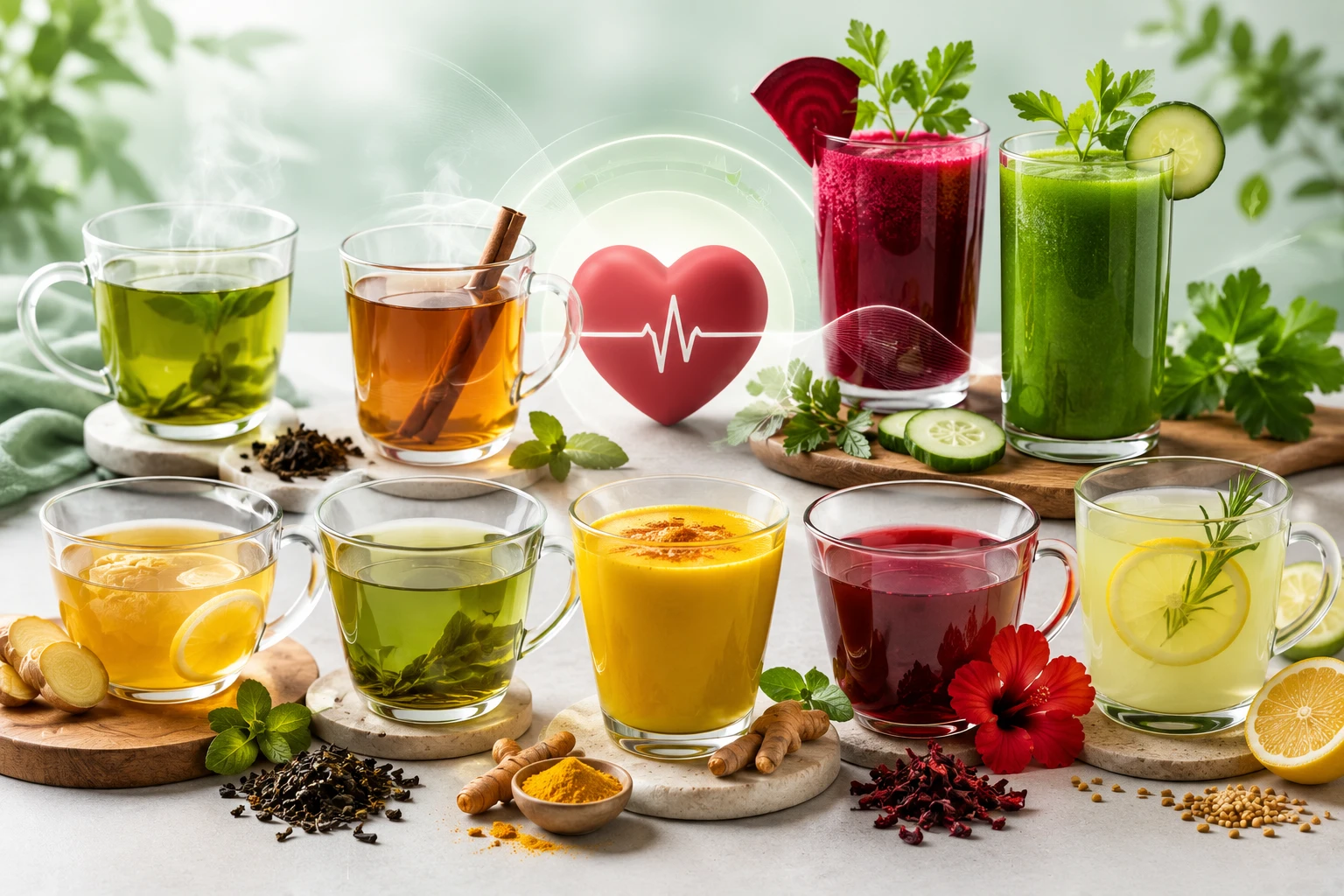


Heart disease affects nearly 655,000 people annually, with elevated LDL cholesterol being a primary contributing factor. The good news? Simple morning beverage choices can significantly impact your cardiovascular health. Research shows that strategic drink selection can reduce bad cholesterol levels by up to 15% when incorporated consistently into your daily routine.
This comprehensive guide explores 11 scientifically-backed morning drinks to reduce bad cholesterol (LDL) that can seamlessly integrate into your daily routine to lower LDL cholesterol naturally. Each beverage offers unique compounds that work through different pathways to support heart health and improve your overall lipid profile.
You'll discover evidence-based beverage options, understand the science behind cholesterol reduction, learn optimal preparation methods, and gain practical strategies to improve lipid profile through strategic morning drink choices. These natural ways to reduce bad cholesterol can complement your existing health routine and provide a delicious start to each day.
LDL cholesterol, often called "bad" cholesterol, transports cholesterol from your liver to cells throughout your body. When LDL levels become elevated, these particles can penetrate artery walls and form plaques. This process, known as atherosclerosis, narrows arteries and restricts blood flow to vital organs.
Current guidelines recommend keeping LDL cholesterol below 100 mg/dL for most adults. However, individuals with existing heart disease or diabetes should aim for levels below 70 mg/dL. The formation of arterial plaques doesn't happen overnight – it's a gradual process that can be influenced by daily dietary choices, including your morning beverage selection.
Morning beverages offer unique advantages for cholesterol management. Your body's natural fasting state enhances the absorption of beneficial compounds found in cholesterol reducing drinks. Bioactive substances like polyphenols, soluble fiber, and plant sterols work through various mechanisms to reduce cholesterol production and increase its elimination.
The timing of consumption matters significantly. During your overnight fast, your liver produces cholesterol at its highest rate. Strategic morning beverage choices can interrupt this process and provide compounds that bind to cholesterol in your digestive system, preventing its absorption into your bloodstream.
Green tea contains powerful compounds called catechins, particularly EGCG (epigallocatechin gallate), which inhibit cholesterol absorption in your intestines. These antioxidants also prevent LDL cholesterol from oxidizing, a crucial step in plaque formation.
For optimal benefits, steep green tea for 3-5 minutes in water heated to 175°F. This temperature preserves the delicate catechins while extracting maximum beneficial compounds. Aim for 2-3 cups daily, with the first cup consumed on an empty stomach for enhanced absorption.
Oat milk provides beta-glucan, a type of soluble fiber that forms a gel-like substance in your digestive tract. This gel binds to cholesterol and bile acids, forcing your liver to use existing cholesterol to produce new bile acids. This process effectively reduces circulating LDL levels.
Create heart-healthy smoothies by blending oat milk with berries, which provide additional antioxidants. You need approximately 3 grams of beta-glucan daily to see cholesterol-lowering effects, which equals about one cup of oat milk combined with a serving of oats.
Beetroot juice contains nitrates that convert to nitric oxide, improving blood vessel function and reducing cardiovascular stress. The betalains in beetroot also provide anti-inflammatory benefits that protect against cholesterol oxidation.
Carrot-ginger blends offer beta-carotene and gingerol compounds that support healthy cholesterol metabolism. To maximize nutrient retention, juice vegetables immediately before consumption and avoid adding sugar or high-sodium ingredients that could counteract the cardiovascular benefits.
Almond milk provides Vitamin E and monounsaturated fats that help maintain healthy cholesterol ratios. The Vitamin E acts as an antioxidant, protecting LDL cholesterol from oxidative damage that makes it more likely to stick to artery walls.
Soy milk contains isoflavones, plant compounds that can modestly reduce LDL cholesterol while supporting HDL (good) cholesterol levels. Choose unsweetened varieties to avoid added sugars that could negatively impact your lipid profile.
Hibiscus tea contains anthocyanins, the same compounds that give berries their deep colors. These antioxidants demonstrate significant cholesterol-lowering properties by reducing cholesterol synthesis in the liver and enhancing its elimination through bile acids.
Brew hibiscus tea using 1-2 teaspoons of dried petals in hot water for 5-7 minutes. The tart flavor indicates high anthocyanin content. Consume 2-3 cups daily, spacing them throughout your morning routine for sustained benefits.
These beverages for healthy cholesterol levels work through multiple pathways. Some compounds inhibit HMG-CoA reductase, the enzyme responsible for cholesterol production in your liver. Others bind to bile acids in your intestines, forcing your body to use cholesterol to make new bile acids.
Antioxidants in these drinks prevent LDL oxidation, a critical step in atherosclerosis development. When LDL cholesterol becomes oxidized, it's more likely to penetrate artery walls and form dangerous plaques. By preventing this oxidation, these beverages help maintain healthier arteries.
The effectiveness of morning beverages for heart health depends on proper timing and preparation. Consuming these drinks on an empty stomach enhances absorption of beneficial compounds. However, some beverages work better when paired with healthy fats, which can increase the absorption of fat-soluble vitamins.
Individual responses vary based on genetics, existing health conditions, and overall diet quality. Some people may see significant improvements within weeks, while others require longer periods of consistent consumption to achieve optimal results.
While drinks that fight cholesterol provide excellent benefits, they work best as part of a comprehensive approach. Incorporate soluble fiber-rich foods like oats, beans, and apples throughout your day. These foods work synergistically with your morning beverages to maximize cholesterol reduction.
Plant sterols, found naturally in nuts, seeds, and vegetable oils, can block cholesterol absorption in your intestines. Omega-3 fatty acids from fish, flaxseeds, and walnuts provide additional cardiovascular protection by reducing inflammation and supporting healthy triglyceride levels.
Regular physical activity amplifies the cholesterol-lowering effects of your morning beverages. Exercise increases HDL cholesterol production and improves your body's ability to clear LDL cholesterol from your bloodstream. Aim for at least 150 minutes of moderate-intensity exercise weekly.
Quality sleep supports healthy cholesterol metabolism. Poor sleep disrupts hormone production and can lead to increased cholesterol synthesis. Stress management through meditation, yoga, or other relaxation techniques also supports cardiovascular health by reducing cortisol levels that can negatively impact cholesterol production.
Temperature control is crucial when preparing best drinks for cholesterol management. Excessive heat can destroy beneficial compounds, while proper brewing techniques maximize nutrient extraction. Use filtered water when possible, as chlorine and other chemicals can interfere with antioxidant activity.
Choose high-quality ingredients for maximum benefits. Organic teas and fresh vegetables provide higher concentrations of beneficial compounds compared to processed alternatives. Store prepared beverages in glass containers and consume within 24 hours to maintain potency.
Timing your beverage consumption optimizes absorption and effectiveness. Green tea works best on an empty stomach, while oat-based drinks can be consumed with light breakfast foods. Space different beverages 30-60 minutes apart to prevent potential interactions and ensure optimal absorption.
Consider your medication schedule when timing beverage consumption. Some compounds in these drinks may interact with cholesterol medications or blood thinners. Always maintain consistent spacing between beverages and medications unless advised otherwise by your healthcare provider.
While these morning beverages for heart health are generally safe, some considerations apply. Green tea contains caffeine, which may interact with certain medications or cause sleep disturbances if consumed late in the day. Individuals taking blood thinners should monitor their intake of Vitamin K-rich beverages.
People with existing kidney stones should limit high-oxalate drinks like beetroot juice. Those with gastroesophageal reflux may find acidic beverages like hibiscus tea irritating. Pregnant and breastfeeding women should consult healthcare providers before significantly increasing their intake of herbal teas or concentrated plant compounds.
Regular lipid panel testing helps track your progress with cholesterol-lowering beverages. Most healthcare providers recommend testing every 6-12 weeks when implementing dietary changes. Keep a simple log of your daily beverage consumption to identify which combinations work best for you.
Pay attention to how you feel overall. Many people report increased energy levels, improved digestion, and better sleep quality when consistently consuming heart-healthy beverages. These improvements often occur before measurable changes in cholesterol levels become apparent.
Success with cholesterol reducing drinks requires consistency and enjoyment. Rotate different beverages throughout the week to prevent monotony while ensuring you receive diverse beneficial compounds. Prepare ingredients in advance to make morning preparation quick and convenient.
Budget-friendly options include brewing your own teas, making oat milk at home, and purchasing seasonal vegetables for juicing. Batch preparation techniques, such as pre-cutting vegetables or preparing tea blends, can save time during busy mornings while maintaining the quality of your beverages.
Certain beverage combinations enhance cholesterol-lowering effects through complementary mechanisms. Pairing antioxidant-rich teas with fiber-containing drinks maximizes both cholesterol binding and oxidation protection. However, avoid consuming more than 400mg of caffeine daily from tea and coffee sources.
Space beverages throughout your morning routine rather than consuming them all at once. This approach maintains steady levels of beneficial compounds in your system while preventing digestive discomfort that can occur with concentrated intake of fiber or antioxidants.
Most people begin seeing measurable improvements in LDL cholesterol levels within 4-6 weeks of consistent daily consumption of cholesterol-reducing beverages, with optimal results typically achieved after 8-12 weeks when combined with dietary modifications.
Yes, you can safely consume multiple beneficial beverages throughout your morning routine, but space them 30-60 minutes apart to optimize absorption and prevent potential digestive discomfort from concentrated fiber or antioxidant intake.
Most cholesterol-lowering drinks are safe for daily consumption, though some individuals may experience mild digestive upset initially as their system adjusts to increased fiber intake, particularly from oat-based beverages or high-antioxidant teas.
Never discontinue prescribed cholesterol medications without consulting your healthcare provider, as these beverages should complement, not replace, medical treatment, and your doctor may adjust dosages based on your improved lipid profile over time.
Green tea and oat milk-based beverages consistently show the strongest evidence for LDL reduction, with green tea providing powerful antioxidants and oat milk delivering cholesterol-binding beta-glucan fiber, though individual responses may vary based on genetics and overall diet.
The 11 morning drinks outlined in this guide offer scientifically supported pathways to naturally lower LDL cholesterol levels while enhancing overall cardiovascular health. By incorporating these beverages for healthy cholesterol levels into your daily routine, you can take proactive steps toward better heart health through simple, enjoyable dietary modifications. For individuals seeking additional support, ingredients like berberine and targeted cholesterol control capsules may complement dietary and lifestyle changes. Remember that consistency is key, and these strategies work most effectively when combined with a balanced diet and healthy habits. For personalized guidance on integrating these natural ways to reduce bad cholesterol into your health plan, consider exploring comprehensive wellness resources and consulting qualified healthcare professionals to help optimize your cardiovascular health strategy.




Someone sent you
Powered by ReferRush


