11 Natural Creatine Foods for Muscle Growth
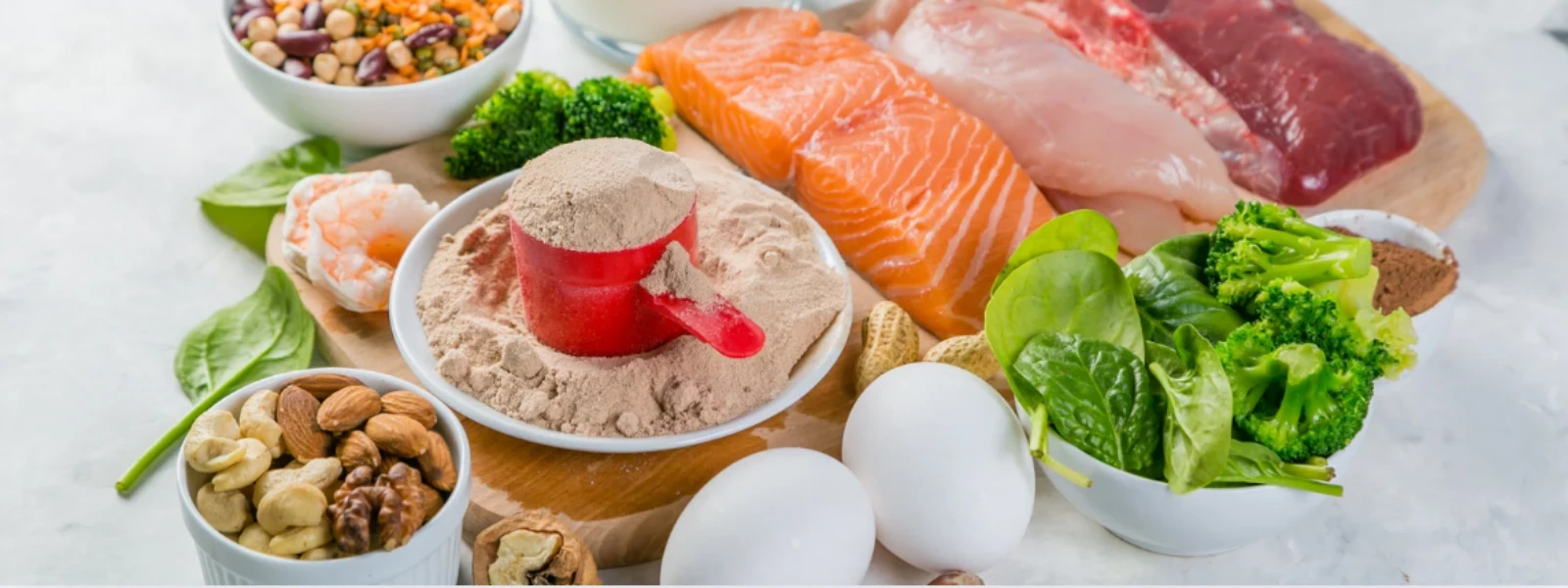


Your muscles work like high-performance engines, and creatine acts as their premium fuel. This naturally occurring compound powers explosive movements, supports muscle growth, and enhances athletic performance. While your body produces some creatine naturally, getting additional amounts from food rich in creatine can significantly boost your muscle-building potential.
Understanding which foods contain the highest creatine levels helps you make informed dietary choices for optimal muscle development. This comprehensive guide explores the top 11 natural creatine sources, their specific content levels, and how to maximize their benefits for muscle growth.
Creatine is a compound made from three amino acids: arginine, glycine, and methionine. Your muscles store creatine as phosphocreatine, which rapidly regenerates ATP (adenosine triphosphate) during high-intensity exercise. This process provides the immediate energy your muscles need for explosive movements like weightlifting, sprinting, and jumping.
Research shows that adequate creatine levels support muscle protein synthesis, increase muscle fiber size, and improve workout performance. Your body naturally produces about 1-2 grams of creatine daily, primarily in your liver, kidneys, and pancreas. However, muscle-building activities often require 3-5 grams daily for optimal results.
Natural creatine foods provide a steady supply of this crucial compound while delivering additional nutrients like high-quality protein, essential fatty acids, and B vitamins. Unlike synthetic supplements, food sources offer creatine in its natural matrix alongside complementary nutrients that support absorption and utilization.
1. Herring
Herring tops the list with 0.75-1.13 grams of creatine per 4-ounce serving. This fatty fish also provides omega-3 fatty acids that support muscle recovery and reduce inflammation. Fresh herring contains higher creatine levels than processed varieties.
2. Beef
Lean beef delivers 0.5-0.7 grams of creatine per 4-ounce serving. Red meat remains one of the most concentrated dietary creatine sources. Grass-fed beef typically contains slightly higher creatine levels than grain-fed varieties.
3. Lamb
Lamb provides 0.5-2.1 grams of creatine per 4-ounce serving, with variation depending on the cut. Leg and shoulder cuts generally contain higher concentrations than leaner cuts like loin.
4. Pork
Pork delivers approximately 0.58 grams of creatine per 4-ounce serving. Lean cuts like tenderloin provide concentrated creatine along with high-quality protein for muscle building.
5. Salmon
Wild-caught salmon contains about 0.5 grams of creatine per 4-ounce serving. This fish combines creatine with omega-3 fatty acids and high-quality protein, making it an excellent choice for muscle development.
6. Tuna
Fresh tuna provides 0.45 grams of creatine per 4-ounce serving. Both yellowfin and bluefin varieties offer substantial creatine levels, though fresh fish contains more than canned versions.
7. Chicken Thigh
Dark meat chicken contains 0.3-0.5 grams of creatine per 4-ounce serving. Thighs and drumsticks provide higher creatine levels than breast meat due to their increased myoglobin content.
8. Cod
Cod delivers approximately 0.3 grams of creatine per 4-ounce serving. This lean white fish offers a lower-fat option while still providing meaningful creatine amounts.
9. Turkey
Turkey provides about 0.3 grams of creatine per 4-ounce serving. Dark meat portions contain slightly higher levels than white meat, similar to chicken.
10. Eggs
One large egg contains approximately 0.1 grams of creatine. While individual eggs provide modest amounts, consuming multiple eggs can contribute meaningfully to daily creatine intake.
11. Milk
Whole milk contains about 0.02 grams of creatine per 8-ounce glass. Though relatively low, milk provides creatine alongside complete proteins and other muscle-supporting nutrients.
Did You Know?
Your muscles can store approximately 3-5 grams of creatine per kilogram of muscle mass. This storage capacity explains why consistent dietary intake from creatine sources helps maintain optimal muscle energy levels for sustained performance.
Red meats generally provide higher creatine concentrations than fish, with beef and lamb leading the category. The higher myoglobin content in red meat correlates with increased creatine storage. However, fish offers unique advantages beyond creatine content.
Fish provides omega-3 fatty acids that support muscle recovery and reduce exercise-induced inflammation. These healthy fats enhance the overall muscle-building environment in your body. Additionally, fish tends to be more easily digestible than red meat, potentially improving nutrient absorption.
Organ meats like heart and liver contain exceptionally high creatine levels, often exceeding 1 gram per 4-ounce serving. While less commonly consumed, these foods represent some of the most concentrated natural creatine sources available.
The choice between meat and fish depends on your overall dietary goals, preferences, and nutritional needs. Combining both sources provides diverse nutrients while maximizing creatine intake from natural foods.
Heat exposure during cooking can reduce creatine content by 20-30%. High-temperature methods like grilling, frying, and roasting cause the greatest losses. Creatine breaks down into creatinine, an inactive compound, when exposed to excessive heat.
Gentler cooking methods help preserve creatine content. Steaming, poaching, and low-temperature baking maintain higher creatine levels. Cooking times also matter - shorter cooking periods preserve more creatine than extended cooking.
Raw preparations like sashimi or steak tartare provide maximum creatine content, though food safety considerations apply. Rare to medium-rare cooking strikes a balance between safety and creatine preservation.
Marinating foods before cooking may help protect creatine from heat damage. Acidic marinades create a protective environment that can reduce creatine breakdown during cooking.
Food sources and supplements offer different advantages for creatine intake. Natural foods provide creatine alongside complementary nutrients like protein, vitamins, and minerals. This nutritional matrix may enhance creatine utilization and provide additional muscle-building benefits.
Supplements typically offer higher creatine concentrations per serving. A standard 5-gram supplement dose equals the creatine content of approximately 2-3 pounds of meat. This concentration makes supplements more practical for achieving higher daily intakes.
Bioavailability varies between sources. Food-based creatine may absorb more slowly due to the digestive process required to break down proteins. Supplements provide immediate creatine availability but may lack the synergistic nutrients found in whole foods.
Cost considerations favor food sources for moderate intake goals. However, supplements become more economical when targeting higher daily creatine amounts. Superior ingredients, highly absorbable formats, and palatable flavors make quality supplements an effective complement to dietary sources.
Combining both approaches often provides optimal results. Base intake from natural foods while using supplements to reach specific performance goals or during intensive training periods.
Strategic meal planning helps optimize creatine intake from food sources. Consuming creatine-rich foods around workout times may enhance muscle uptake. Post-workout meals combining protein and carbohydrates create an ideal environment for creatine absorption.
Spreading creatine intake throughout the day maintains steady muscle levels. Rather than consuming large amounts in single meals, distribute creatine sources across breakfast, lunch, and dinner for consistent supply.
Hydration plays a crucial role in creatine function. Adequate water intake supports creatine transport to muscles and helps maintain the cell volume necessary for optimal creatine storage.
Realistic expectations matter when relying solely on food sources. Most people consume 1-2 grams of creatine daily from typical diets. Achieving the 3-5 gram range beneficial for muscle growth requires intentional food choices or supplementation.
Herring contains the highest natural creatine levels at 0.75-1.13 grams per 4-ounce serving, making it the top dietary source among commonly consumed foods.
Two large eggs provide approximately 0.2 grams of creatine, which represents a modest contribution compared to meat and fish sources.
Animal proteins including red meat, fish, and poultry are the primary foods that increase creatine levels. Plant foods do not naturally contain creatine.
Most people consume 1-2 grams of creatine daily from typical diets. Achieving optimal levels for muscle building often requires either very high consumption of creatine-rich foods or supplementation.
Vegetarian diets typically provide minimal creatine since plant foods do not contain this compound. Vegetarian athletes often benefit from creatine supplementation to support muscle growth and performance.
Natural creatine foods offer valuable nutrition for muscle growth and athletic performance. Herring, beef, lamb, and other animal proteins provide the highest concentrations of this crucial compound. While achieving optimal creatine levels through food alone requires significant consumption of these sources, incorporating them into your diet provides numerous benefits beyond creatine content. Understanding cooking methods, timing, and realistic intake expectations helps you make informed decisions about balancing natural food sources with other approaches to meet your muscle-building goals.




Someone sent you


