7 Ayurvedic Kadha Recipes to Soothe Your Cold Naturally
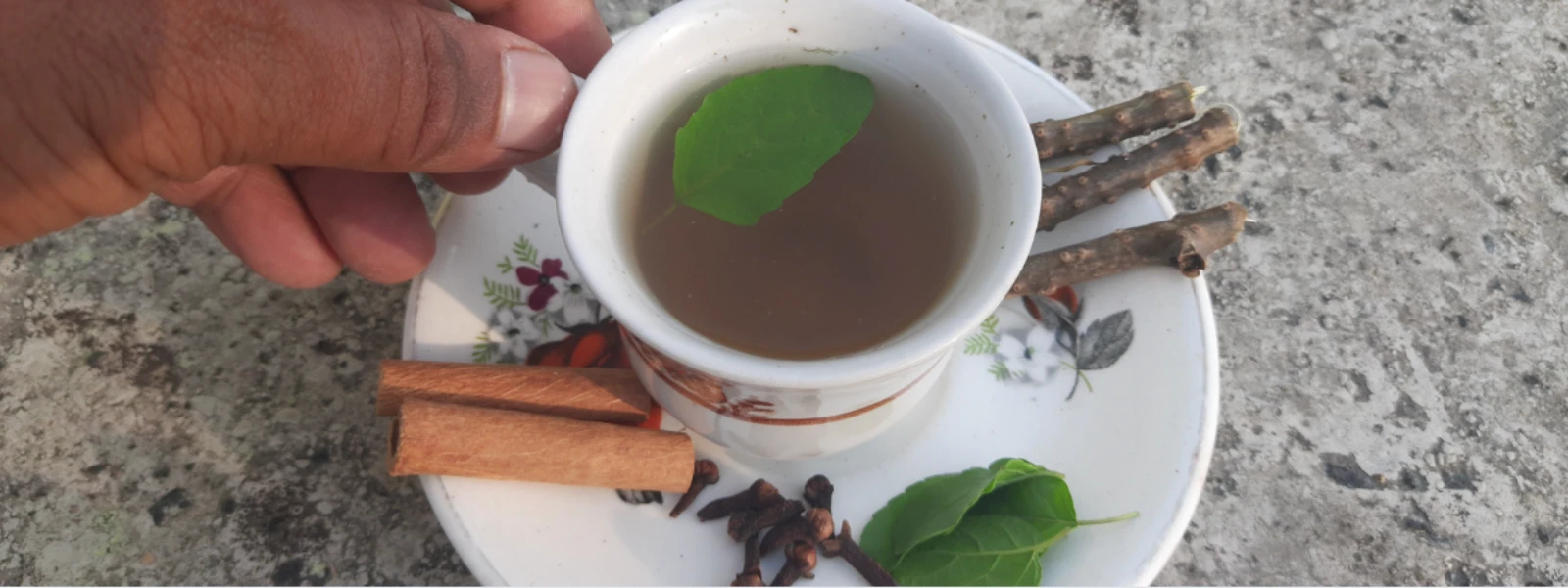


When the sniffles strike and your throat feels scratchy, reaching for a warm cup of kadha can feel like wrapping yourself in centuries of healing wisdom. This traditional Ayurvedic beverage has been a cornerstone of Indian households for generations, offering natural relief from cold symptoms while supporting your body's immune defenses. Unlike modern quick fixes, kadha for cold works gently with your body's natural healing processes, using time-tested herbs and spices to restore balance and wellness.
The beauty of ayurvedic kadha for cold lies in its holistic approach. Rather than simply masking symptoms, these herbal concoctions address the root causes of illness while strengthening your immune system for future protection. Each sip delivers a concentrated dose of nature's most powerful healing compounds, carefully combined according to ancient wisdom that modern science continues to validate.
Kadha represents one of Ayurveda's most accessible and effective remedies. The word itself comes from the Sanskrit term meaning "decoction," referring to the process of extracting therapeutic compounds from herbs through gentle boiling. This herbal kadha for cold preparation method ensures that water-soluble vitamins, minerals, and bioactive compounds are fully released from plant materials, creating a potent healing brew.
Traditional Ayurvedic texts describe kadha as a rasayana, or rejuvenative therapy, that works on multiple levels simultaneously. While providing immediate symptom relief, kadha also helps restore digestive fire (agni), balance the three doshas (vata, pitta, and kapha), and strengthen ojas, the body's vital essence that governs immunity and overall vitality.
Modern research has begun to understand what Ayurvedic practitioners have known for millennia: the therapeutic power of kadha lies not in individual ingredients, but in their synergistic combinations. When herbs are combined thoughtfully, their individual benefits are amplified, creating what scientists call "positive pharmacological interactions." This explains why homemade kadha for cold often proves more effective than isolated herbal supplements.
The foundation of any effective natural kadha for cold begins with understanding key ingredients and their unique properties. Each component serves a specific purpose, working together to create a comprehensive healing response in your body.
Ginger stands as the cornerstone of most kadha recipe for cold preparations. Rich in gingerol and shogaol compounds, ginger provides powerful anti-inflammatory and antimicrobial effects while warming the body and improving circulation. Fresh ginger works best, as it contains higher levels of active compounds compared to dried powder.
Tulsi, or holy basil, brings adaptogenic properties that help your body manage stress while fighting infection. This sacred herb contains compounds like eugenol and rosmarinic acid, which support respiratory health and enhance immune function. Studies show that regular tulsi consumption can increase the production of immune cells like T-helper cells and natural killer cells.
Turmeric contributes curcumin, a potent anti-inflammatory compound that helps reduce the severity and duration of cold symptoms. When combined with black pepper, which contains piperine, curcumin absorption increases by up to 2000%, making this combination particularly effective in kadha ingredients for cold relief.
Expert Insight
Research published in the Journal of Ethnopharmacology shows that traditional kadha formulations can increase immune cell activity by up to 40% within just one week of regular consumption, demonstrating the powerful synergistic effects of combined herbal ingredients.
Each of these kadha benefits for cold recipes targets specific symptoms while supporting overall immune function. Choose based on your primary symptoms or rotate between recipes for comprehensive support.
This foundational recipe forms the basis of most kadha remedies for cold and provides broad-spectrum immune support.
Ingredients: 1-inch fresh ginger piece, 10-12 fresh tulsi leaves, 1 teaspoon fennel seeds, 4-5 black peppercorns, 1 cinnamon stick, 2 cups water, honey to taste
Preparation: Crush ginger lightly and add to water with all dry spices. Bring to a boil, then simmer for 10-12 minutes. Add tulsi leaves in the last 2 minutes. Strain, cool slightly, and add honey before serving.
This kadha treatment for cold works particularly well for general cold symptoms, providing warming energy while supporting respiratory function and digestion.
Designed specifically to combat inflammation and support the body's natural healing processes.
Ingredients: 1 teaspoon turmeric powder, 1/4 teaspoon black pepper powder, 1-inch ginger piece, 1 teaspoon coconut oil, 2 cups water, 1 teaspoon jaggery
Preparation: Boil water with crushed ginger for 5 minutes. Add turmeric and black pepper, simmer for another 5 minutes. Stir in coconut oil and jaggery before serving.
The combination of turmeric and black pepper creates a powerful anti-inflammatory effect, while coconut oil provides healthy fats that support nutrient absorption and immune function.
This warming blend specifically targets respiratory congestion and throat discomfort.
Ingredients: 2 cinnamon sticks, 4-5 whole cloves, 1 star anise, 1 teaspoon ajwain (carom seeds), 1-inch ginger piece, 2 cups water, rock salt pinch
Preparation: Dry roast cinnamon, cloves, and star anise for 30 seconds. Add to water with ginger and ajwain. Boil and simmer for 15 minutes. Add a pinch of rock salt before serving.
The essential oils in these spices help clear respiratory passages while providing antimicrobial benefits. This kadha for boosting immunity also supports digestive health.
Perfect for soothing throat irritation and dry coughs that often accompany colds.
Ingredients: 1 teaspoon mulethi powder, 1/2 teaspoon ginger powder, 4-5 green cardamom pods, 1 teaspoon ghee, 2 cups water, honey to taste
Preparation: Boil water with crushed cardamom for 5 minutes. Add mulethi and ginger powder, simmer for 10 minutes. Stir in ghee and honey before serving.
Licorice contains glycyrrhizin, which provides natural anti-inflammatory and antiviral effects, making it particularly effective for throat-related cold symptoms.
This powerful adaptogenic kadha helps eliminate toxins while strengthening immune function.
Ingredients: 2-inch fresh giloy stem (or 1 teaspoon powder), 1-inch ginger piece, 5-6 tulsi leaves, 1 teaspoon coriander seeds, 2 cups water, lemon juice
Preparation: Crush giloy stem and ginger, add to water with coriander seeds. Boil for 15 minutes, add tulsi leaves in last 2 minutes. Strain and add fresh lemon juice before serving.
Giloy is renowned in Ayurveda as a powerful immunomodulator that helps the body fight infections more effectively while supporting liver detoxification.
Addresses the connection between stress and immune function, particularly important during illness.
Ingredients: 1/2 teaspoon ashwagandha powder, 1-inch ginger piece, 1 teaspoon sesame seeds, 4-5 black peppercorns, 2 cups water, warm milk, honey
Preparation: Boil water with ginger and peppercorns for 8 minutes. Add ashwagandha and sesame seeds, simmer for 5 more minutes. Strain, add equal parts warm milk, and sweeten with honey.
Ashwagandha helps regulate cortisol levels, supporting immune function that stress often compromises during illness.
Supports digestive health, which Ayurveda considers crucial for strong immunity.
Ingredients: 6-8 green cardamom pods, 10-12 fresh mint leaves, 1 teaspoon cumin seeds, 1-inch ginger piece, 2 cups water, rock sugar to taste
Preparation: Lightly crush cardamom and cumin seeds. Boil with ginger for 10 minutes. Add mint leaves in the last minute. Strain and sweeten with rock sugar.
This gentle kadha improves digestion and nutrient absorption, ensuring your body can effectively utilize nutrients needed for immune function.
The effectiveness of your kadha depends not just on ingredients, but on proper preparation and consumption practices. Understanding these details can significantly enhance therapeutic benefits.
Always use filtered or pure water for kadha preparation, as impurities can interfere with herb extraction. Maintain a gentle simmer rather than a rolling boil to preserve delicate compounds. Fresh ingredients generally provide better therapeutic value than dried alternatives, though dried herbs work well when fresh options aren't available.
Timing matters significantly in kadha preparation. Add delicate herbs like tulsi or mint only in the final minutes to preserve their volatile oils. Harder spices like cinnamon and cloves benefit from longer cooking times to fully release their compounds.
For acute cold symptoms, consume 1/2 to 1 cup of warm kadha 2-3 times daily, preferably on an empty stomach or between meals. This timing ensures better absorption without interfering with digestion. Always drink kadha warm, as heat enhances absorption and provides additional therapeutic warming effects.
During illness, consistency matters more than quantity. Regular small doses throughout the day often prove more effective than large single servings. Store prepared kadha in the refrigerator for up to 24 hours, reheating before consumption.
Modern research continues to validate traditional kadha formulations, revealing the sophisticated science behind these ancient remedies. Studies show that bioactive compounds in common kadha ingredients work through multiple mechanisms to support immune function and reduce cold symptoms.
Gingerol from ginger activates immune cells while reducing inflammatory cytokines that cause cold symptoms. Eugenol from cloves provides antimicrobial effects against common cold viruses and bacteria. Curcumin from turmeric modulates immune responses, helping the body fight infection without excessive inflammation.
Research published in respected journals demonstrates that regular consumption of these compounds can reduce cold duration by 20-30% while decreasing symptom severity. The synergistic effects of combined ingredients often exceed the sum of individual benefits, explaining kadha's superior effectiveness compared to single-herb preparations.
While kadha ingredients are generally safe for most people, certain considerations ensure optimal benefits without adverse effects.
People with gallstones should limit turmeric consumption, as it may increase bile production. Those taking blood-thinning medications should consult healthcare providers before consuming ginger-heavy kadha recipes. Individuals with low blood pressure should monitor their response to ashwagandha-containing formulations.
Pregnant and breastfeeding women should avoid certain herbs like ashwagandha and limit others like ginger to culinary amounts. Children under two years should not consume honey-sweetened kadha due to botulism risk.
For active cold symptoms, consume 1/2 to 1 cup of kadha 2-3 times daily. As symptoms improve, reduce frequency to once daily for continued immune support. Always maintain at least 2-3 hours between doses to allow proper digestion.
Children over 2 years can generally consume diluted kadha preparations, using half the spice quantities and avoiding honey for those under 12 months. Start with small amounts (2-3 tablespoons) to assess tolerance. Always consult a pediatrician before giving herbal preparations to young children.
Most people tolerate kadha well when consumed in recommended amounts. Potential side effects include stomach upset from excessive ginger, increased heat sensation from warming spices, or allergic reactions to specific herbs. Reduce quantities or discontinue if adverse effects occur.
Many people notice initial symptom relief within 30-60 minutes of consuming warm kadha, particularly for throat discomfort and congestion. Significant improvement typically occurs within 24-48 hours of regular consumption, though individual responses vary based on overall health and symptom severity.
Fresh kadha provides optimal benefits, but you can store prepared kadha in the refrigerator for up to 24 hours. Reheat gently before consumption, avoiding microwave heating which may damage beneficial compounds. For convenience, prepare dry spice blends in advance and add fresh ingredients during brewing.
These seven Ayurvedic kadha recipes offer natural, effective approaches to cold relief while supporting your body's innate healing wisdom. Each formulation provides unique benefits, from respiratory support to stress reduction, allowing you to choose recipes that best match your specific needs and symptoms. The beauty of kadha lies in its gentle yet powerful action, working with rather than against your body's natural processes.
Regular integration of kadha into your wellness routine can provide ongoing immune support, helping prevent future illness while maintaining optimal health. As you explore these traditional remedies, remember that consistency and quality ingredients matter most for achieving therapeutic benefits. Consider working with qualified Ayurvedic practitioners to develop personalized kadha formulations that address your unique constitution and health goals.




Someone sent you
Powered by ReferRush


