A Step-by-Step Guide to Optimizing Gut Health with Pre and Probiotics
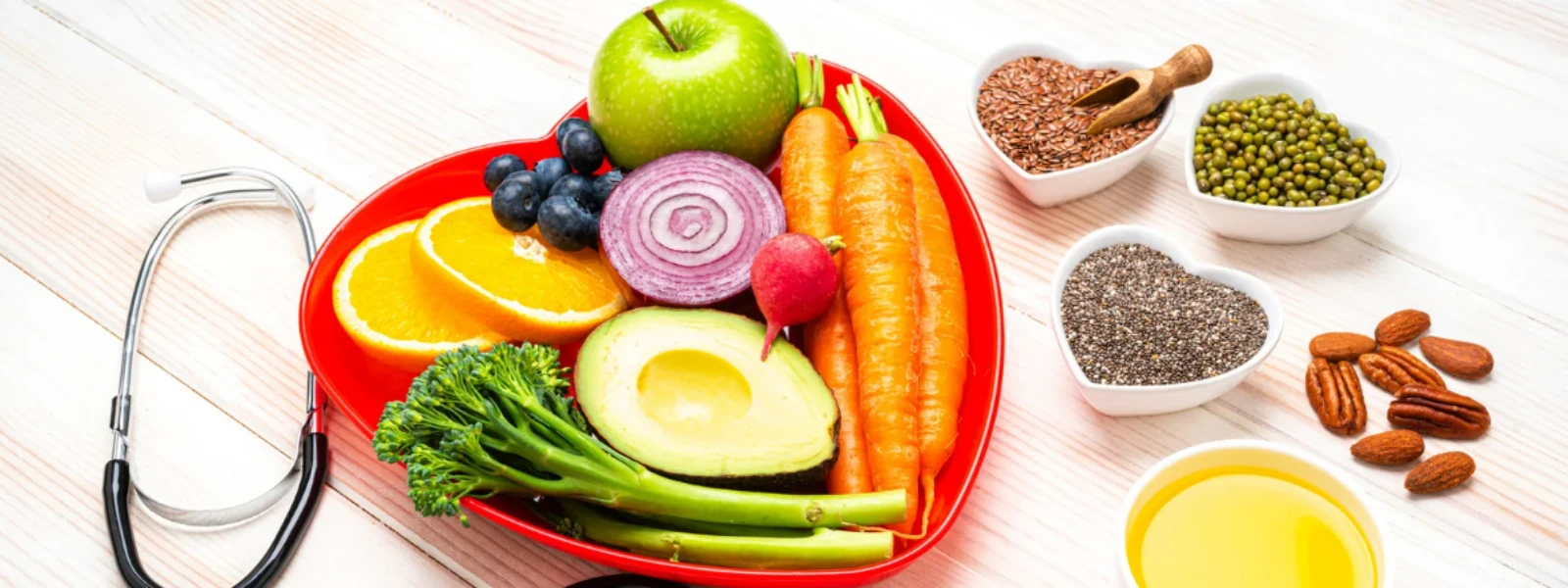


Your gut houses trillions of microorganisms that play a crucial role in your overall health. These tiny inhabitants influence everything from digestion and immune function to mood and weight management. Understanding how to optimize your gut health through pre and probiotics can transform your wellbeing from the inside out.
This comprehensive guide will walk you through the science-backed steps to nurture your gut health using the powerful combination of prebiotics and probiotics. You'll learn how these beneficial compounds work together to support your digestive system, strengthen your immune system, and enhance your body's natural processes.
Prebiotics are specialized plant fibers that act as food for the beneficial bacteria in your digestive system. Think of them as fertilizer for your gut garden. These non-digestible compounds pass through your small intestine unchanged and reach your colon, where they feed the good bacteria.
Common prebiotic fibers include inulin, fructooligosaccharides (FOS), and galactooligosaccharides (GOS). You'll find these naturally occurring compounds in foods like garlic, onions, bananas, and asparagus.
Probiotics are live beneficial bacteria and yeasts that support your gut health. These microscopic allies help maintain the delicate balance of your intestinal flora. When consumed in adequate amounts, probiotics can colonize your gut and provide numerous health benefits.
The most well-researched probiotic strains include Lactobacillus and Bifidobacterium species. Each strain offers unique benefits, from improving digestion to supporting immune function.
Pre and probiotics form a symbiotic relationship in your digestive system. Prebiotics nourish probiotics, helping them thrive and multiply. This partnership creates a robust microbiome that can better resist harmful bacteria and support optimal health.
When you consume pre and probiotics together, you're essentially providing both the workers and their food. This combination, known as synbiotics, maximizes the potential benefits for your gut health.
Your microbiome contains both beneficial and potentially harmful bacteria. A healthy gut maintains a balance where good bacteria outnumber the bad ones. Pre and probiotics help tip this balance in favor of beneficial microorganisms.
Research shows that a diverse microbiome is associated with better health outcomes. By introducing various probiotic strains and feeding them with different prebiotic fibers, you can promote microbial diversity in your gut.
Your intestinal flora performs numerous functions beyond digestion. These microorganisms produce essential vitamins, synthesize important compounds, and maintain the integrity of your intestinal barrier.
Pre and probiotics help maintain a healthy population of intestinal flora by providing the nutrients and environment these beneficial bacteria need to flourish. This support is especially important after antibiotic use or during periods of stress.
Did You Know?
Your gut contains approximately 100 trillion microorganisms, which is roughly ten times the number of human cells in your body. This vast ecosystem weighs about 2-3 pounds and contains more genetic material than your entire human genome.
A healthy gut lining is essential for proper nutrient absorption. Pre and probiotics support the integrity of your intestinal wall, helping it effectively absorb vitamins, minerals, and other nutrients from your food.
Certain probiotic strains can also produce enzymes that break down complex nutrients, making them more bioavailable. This enhanced nutrient absorption can improve your overall nutritional status and energy levels.
Approximately 70% of your immune system resides in your gut. The beneficial bacteria in your microbiome train your immune cells to distinguish between harmful pathogens and harmless substances.
Pre and probiotics support immune function by maintaining a healthy gut barrier and promoting the production of immune-regulating compounds. Studies suggest that regular consumption of probiotics may reduce the duration and severity of common infections.
The gut-brain axis is the bidirectional communication pathway between your gut and brain. Your gut bacteria produce neurotransmitters like serotonin and GABA, which influence mood and cognitive function.
Research indicates that pre and probiotics may support mental wellness by modulating the gut-brain axis. Some studies have shown improvements in stress response and mood with specific probiotic strains.
Your gut bacteria play a role in weight management by influencing metabolism, fat storage, and appetite regulation. Certain bacterial strains may help maintain a healthy weight by improving insulin sensitivity and reducing inflammation.
Pre and probiotics may support weight management efforts by promoting a healthy microbiome composition. However, they work best as part of a comprehensive approach that includes proper nutrition and regular physical activity.
Including prebiotic foods in your daily diet is one of the most natural ways to support your gut bacteria. Focus on fiber-rich plant foods that contain inulin, FOS, and other prebiotic compounds.
Excellent prebiotic sources include Jerusalem artichokes, chicory root, garlic, onions, leeks, asparagus, bananas, apples, and oats. Aim to include a variety of these foods throughout the week to provide diverse nutrients for your intestinal flora.
Fermented foods are excellent natural sources of probiotics. These foods undergo a fermentation process that creates beneficial bacteria while preserving nutrients and enhancing flavor.
Traditional fermented foods include yogurt, kefir, sauerkraut, kimchi, miso, tempeh, and kombucha. Choose unpasteurized versions when possible, as pasteurization kills the beneficial bacteria.
Some foods naturally contain both prebiotics and probiotics, making them particularly beneficial for gut health. These synbiotic foods provide both the beneficial bacteria and their preferred food sources.
Examples include yogurt with added inulin fiber, kefir made with prebiotic-rich fruits, or fermented vegetables that retain their fiber content. These combinations maximize the potential benefits for your digestive system.
When food sources aren't sufficient, dietary supplements can help bridge the gap. Look for supplements that specify the bacterial strains, colony-forming units (CFUs), and expiration dates.
Choose products from reputable manufacturers that use third-party testing to verify potency and purity. Consider your specific health goals when selecting strains, as different probiotics offer different benefits.
Effective probiotic doses typically range from 1 billion to 100 billion CFUs daily, depending on the strains and intended use. For prebiotics, research suggests 3-8 grams of fiber daily can provide beneficial effects.
Start with lower doses and gradually increase to allow your digestive system to adjust. This approach minimizes potential digestive discomfort as your gut adapts to the changes.
Pre and probiotics are generally safe for most healthy individuals. However, some people may experience temporary digestive symptoms like gas, bloating, or changes in bowel movements when first starting.
These symptoms typically resolve within a few days to a week. If you have compromised immunity or serious health conditions, consult with a healthcare provider before starting any new supplements.
Begin by evaluating your current digestive health and overall wellbeing. Notice patterns in your energy levels, mood, digestion, and any gut-related conditions you may experience.
Keep a food and symptom diary for a week to identify potential triggers or patterns. This baseline information will help you track improvements as you implement changes.
Start incorporating prebiotic-rich foods slowly to avoid digestive discomfort. Begin with small portions of foods like bananas, oats, or cooked onions, and gradually increase your intake over several weeks.
Aim for a variety of prebiotic sources to feed different bacterial strains in your gut. This diversity promotes a more robust and resilient microbiome.
Add fermented foods to your diet gradually, starting with small portions every few days. Begin with milder options like yogurt or kefir before progressing to stronger fermented foods like kimchi or sauerkraut.
Pay attention to how your body responds to different probiotic foods. Some people tolerate certain fermented foods better than others.
If dietary sources aren't providing sufficient benefits or if you have specific health goals, consider adding dietary supplements. Choose high-quality products with well-researched strains and appropriate dosages.
Take supplements consistently and as directed by the manufacturer. Store them properly to maintain their potency, especially refrigerated products.
Track your progress by noting changes in digestion, energy levels, mood, and overall wellbeing. Keep a journal to identify which foods or supplements work best for you.
Be patient, as it can take several weeks to months to see significant improvements in gut health. Adjust your approach based on your body's response and any changes in your health status.
Prebiotics are specialized plant fibers that serve as food for beneficial gut bacteria, while probiotics are live beneficial bacteria that support digestive and overall health. Together, they work synergistically to optimize your gut microbiome and support various bodily functions.
Yes, taking pre and probiotics together can be highly beneficial. This combination, known as synbiotics, provides both the beneficial bacteria and their preferred food sources, maximizing the potential for improved gut health and overall wellbeing.
The best pre and probiotic combination depends on your individual needs and health goals. Look for products containing well-researched strains like Lactobacillus and Bifidobacterium species, combined with prebiotic fibers like inulin or FOS. Quality, potency, and third-party testing are important factors to consider.
Pre and probiotic tablets are used to support digestive health, boost immune function, improve nutrient absorption, and maintain a healthy gut microbiome. They may also support the gut-brain axis, aid in weight management, and help with various gut-related conditions.
Most people begin to notice improvements in digestive symptoms within 2-4 weeks of consistent use. However, significant changes in gut microbiome composition and overall health benefits may take 2-3 months or longer. Individual responses vary based on starting gut health, lifestyle factors, and specific products used.
Optimizing your gut health with pre and probiotics is a powerful step toward better overall wellbeing. By understanding how these beneficial compounds work together to support your digestive system, immune system, and various other bodily functions, you can make informed decisions about your health journey. Remember that consistency is key, and patience is essential as your body adapts to these positive changes. Start with small steps, listen to your body, and gradually build a gut-healthy routine that works for your lifestyle. Your microbiome will thank you, and you'll likely experience improvements in energy, mood, and overall health as you nurture this vital ecosystem within you.




Someone sent you
Powered by ReferRush


