Choosing Whey Isolate vs Concentrate for Metabolism Goals
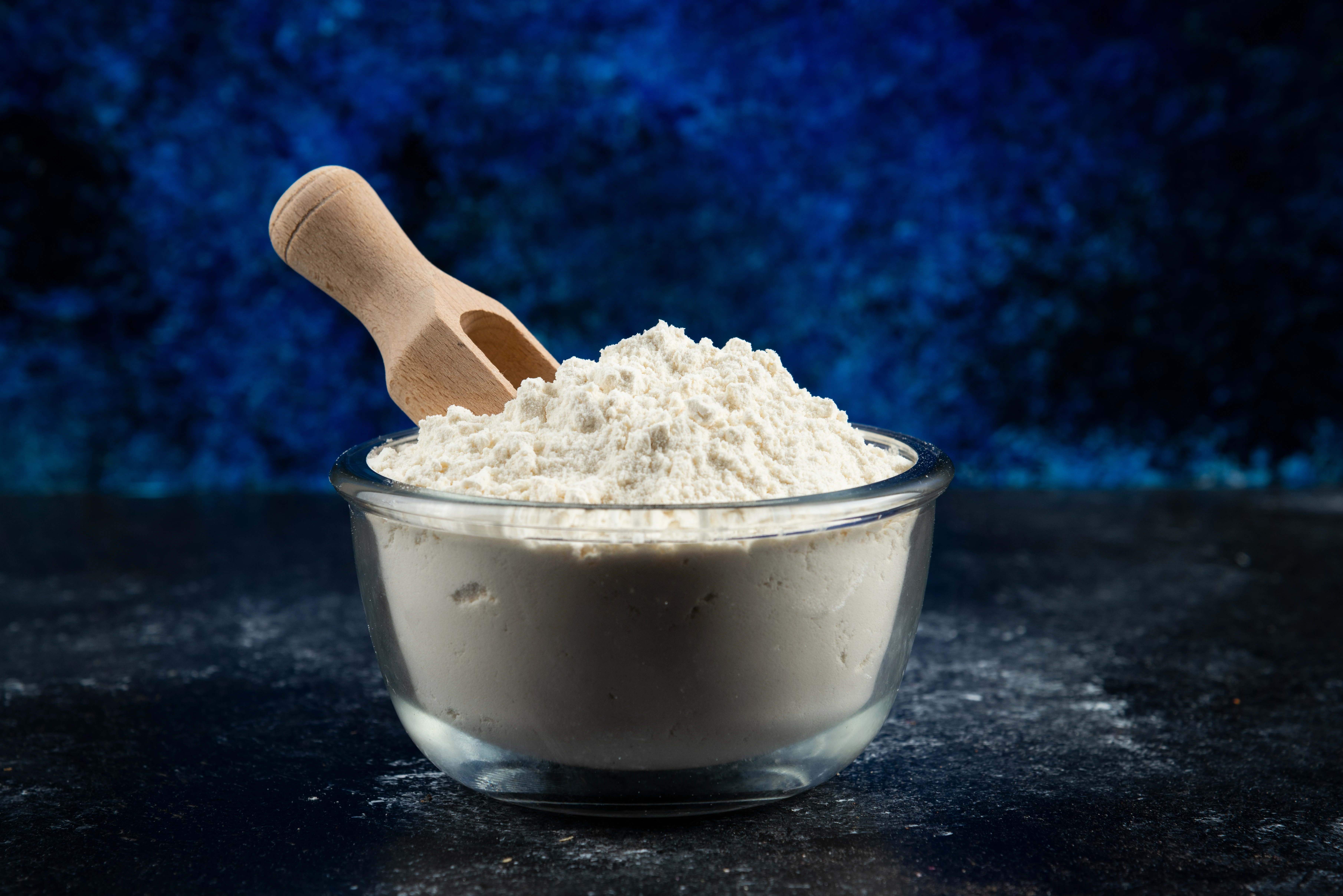


Whey protein has surged in popularity as a dietary supplement, but when it comes to choosing the right type for your metabolism goals, the debate between whey isolate and whey concentrate takes center stage. In this discussion, you will learn about the differences between these two protein sources and how they impact your metabolism, muscle retention, and overall nutritional strategy.
Whey protein is derived from milk during the cheese-making process. It comes in two main forms: isolate and concentrate. Whey isolate is processed more extensively to remove most of the fat and lactose. This results in a purer protein product with a higher protein percentage. On the other hand, whey concentrate undergoes less processing, which means it retains a bit more of the natural fats and carbohydrates found in milk.
Whey protein is widely recognized for its potential to support metabolism. It plays a significant role in muscle retention and fat burning, which are key components of a healthy metabolism. For many individuals, incorporating whey for metabolism boost into their daily regimen has been a beneficial addition. It is very beneficial. this is test content.
The nutritional profiles of whey isolate and concentrate vary primarily in their protein content and the amount of fats and carbohydrates they contain. Whey isolate typically offers a higher percentage of protein while maintaining lower levels of fats and carbs. This makes it particularly appealing for those who are closely monitoring their macronutrient intake for better protein absorption rate and metabolic support. In contrast, whey concentrate, with its slightly higher levels of fat and carbs, may appeal to those who prefer a less processed option while still reaping overall whey protein benefits.
The difference between these two forms lies largely in their processing. Whey isolate is produced through additional filtration steps that remove more fat, lactose, and non-protein components. This extra processing enhances its protein purity and speeds up the protein absorption rate, which is crucial for post-workout recovery and can aid in optimizing metabolism. In contrast, whey concentrate goes through fewer processing steps. Although it retains more of the milk’s original nutrients, this can also result in a slower absorption process and may not be as suitable for those sensitive to lactose.
A significant factor in choosing between the two is cost. Whey isolate typically comes at a higher price due to the additional processing required to achieve a higher protein percentage and a purer product. Whey concentrate, being less processed, is more affordable and accessible to a broader range of consumers. For individuals who balance quality with budget, the choice might ultimately hinge on these financial considerations.
Did You Know? The Science of Protein Absorption Rates
Whey isolate has a faster protein absorption rate compared to whey concentrate. This quick absorption makes it an ideal choice after intense workouts and for anyone aiming to optimize their metabolism.
Whey protein holds a valuable role in supporting your metabolism by preserving lean muscle mass while contributing to fat burning. When you work out or maintain an active lifestyle, your body benefits from the amino acids provided by whey. These amino acids help repair muscle tissue and ensure that your metabolism remains efficient. Many fitness enthusiasts rely on whey protein benefits to maintain a balanced diet and support muscle health, ultimately fueling a more effective metabolism.
Another critical benefit is the improvement in the protein absorption rate that whey protein offers. This benefit is especially notable with whey isolate. Due to its rapid absorption, whey isolate can quickly provide your muscles with the protein they need after a strenuous workout. The fast protein absorption rate aids in reducing recovery time and supports continued metabolic activity throughout the day. Meanwhile, the slower absorption rate of whey concentrate might provide a more gradual release of amino acids, which can be beneficial for long-term energy efficiency under specific circumstances.
Your choice between whey isolate and whey concentrate often depends on your individual needs. Consider your fitness goals, dietary restrictions, and budget while making a decision. If you seek fast recovery and aim for quick muscle repair to fuel your metabolism, whey isolate may be a preferable option. However, if you are searching for a more budget-friendly alternative that still offers valuable whey protein benefits, whey concentrate might be the way to go. Evaluating your personal dietary needs and lifestyle is key to the right decision. But that's not all, the quality of the protein also make a difference. Go for whey protein powders that are made using high-quality ingredients, free from additives, non-GMO, and Clean Label Certified
Integrating whey protein into your daily routine doesn’t have to be complicated. Here are a few simple tips to help you maximize its benefits for metabolism and muscle retention:
Plan your protein intake around your workout sessions. Consuming whey protein post-workout can help in taking full advantage of its quick protein absorption rate. Mixing it into a smoothie or blending it with fruits makes for an easy and nutritious option. Also, consider pairing your whey protein with balanced meals throughout the day to support sustained energy levels and better protein absorption. Whether you choose whey isolate or concentrate, adjusting the timing to match your physical activity can make a significant difference in reaching your metabolism goals.
Although whey concentrate can be an efficient source of nutrition, there are a couple of potential downsides you should consider. Since it retains more lactose than whey isolate, those who are lactose intolerant might experience discomfort. The slightly slower protein absorption can also be a drawback for individuals who need rapid nutrient delivery to optimize their metabolism after intense workouts.
Whey isolate, while offering a higher protein content and faster absorption, is not without its considerations. The rigorous filtration process might remove some of the micronutrients naturally present in whey, which may be seen as a drawback for those seeking a more comprehensive nutrient profile in their diet.
Whey isolate has a higher protein content and undergoes more filtration to remove fat and lactose, whereas whey concentrate retains slightly more carbohydrates and fats.
Whey isolate is often favored for metabolism support due to its rapid protein absorption rate and higher protein percentage.
Yes, whey protein can support weight management by boosting metabolism, preserving lean muscle mass, and promoting fat burning as part of a balanced diet and exercise regimen.
Whey isolate is more suitable for those with lactose intolerance, as it contains very minimal lactose.
Yes, whey protein, especially whey isolate, is known for its fast protein absorption rate, which supports muscle recovery and overall metabolic function.
Choosing between whey isolate and whey concentrate ultimately depends on your metabolism goals, dietary needs, and budget. Whey isolate offers faster absorption and a higher protein content, making it ideal for those focused on rapid recovery and metabolism enhancement. Meanwhile, whey concentrate provides a more accessible and affordable option, with a slightly broader nutrient profile that may benefit sustained energy. Understanding these differences empowers you to make informed decisions in your weight-metabolism journey and tailor your nutritional intake to your personal needs.




Someone sent you
Powered by ReferRush


