Collagen Types Explained: Everything You Need to Know
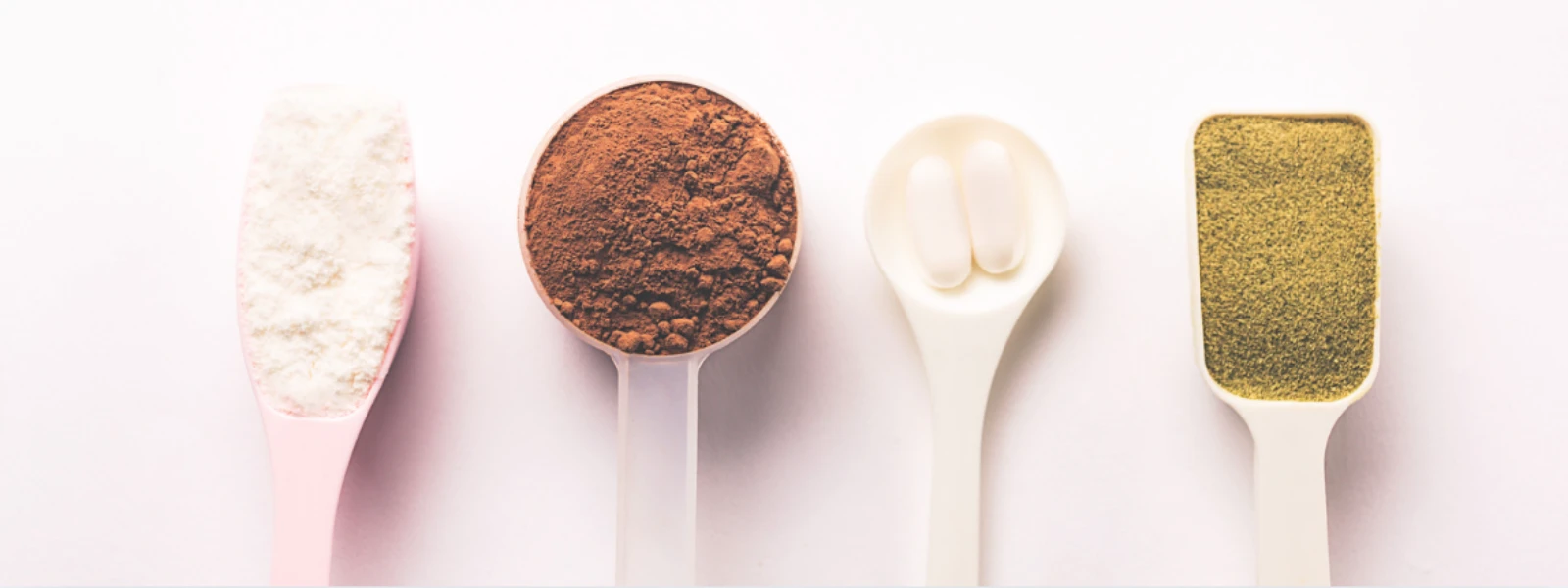


Your body contains an intricate network of proteins that keep you strong, flexible, and youthful. Among these, collagen stands out as the most abundant protein, making up about 30% of your total protein content. But here's what many people don't realize: not all collagen is the same. Understanding how many collagen types are there and what makes each one unique can help you make better choices for your health and wellness goals.
This comprehensive guide will walk you through the fascinating world of collagen types, from the science behind collagen production to practical tips for choosing the right collagen sources for your specific needs. You'll discover how different collagen types support everything from skin elasticity to joint health, and even learn about the surprising connection between collagen and metabolism.
Collagen is a complex protein made up of amino acids, primarily glycine, proline, and hydroxyproline. These amino acids form long chains that twist together to create strong, rope-like structures. Think of collagen as the scaffolding that holds your body together, providing structure and support to your skin, bones, muscles, and organs.
Scientists have identified 28 different collagen types in the human body, each with a unique structure and function. These types are numbered using Roman numerals, from Type I to Type XXVIII. While this might sound overwhelming, you don't need to memorize all 28 types. The reality is that five main types make up the vast majority of collagen in your body.
Understanding different collagen types matters because each type serves specific functions. Just as you wouldn't use the same tool for every job, your body uses different collagen types for different purposes. This knowledge becomes especially important when considering collagen supplements or trying to support specific aspects of your health.
Let's explore the five collagen types that play the most significant roles in your body's structure and function.
Type I collagen is the superstar of the collagen world, making up 80-90% of all collagen in your body. You'll find it in your skin, bones, tendons, ligaments, and teeth. This type provides tensile strength and helps your tissues resist stretching.
When people talk about collagen benefits for skin health, they're primarily referring to Type I collagen. As you age, your body produces less Type I collagen, leading to wrinkles, sagging skin, and weaker bones.
Type II collagen is the main component of cartilage, the smooth tissue that cushions your joints. Unlike Type I, which forms thick fibers, Type II collagen creates a gel-like matrix that can absorb shock and provide smooth movement.
This type is crucial for maintaining healthy joints and preventing conditions like osteoarthritis. If you're experiencing joint stiffness or discomfort, Type II collagen might be particularly beneficial.
Type III collagen works alongside Type I collagen in many tissues, including skin, blood vessels, and internal organs. It's particularly abundant in your cardiovascular system and helps maintain the elasticity of blood vessels.
This type is also important for wound healing and tissue repair. Young skin contains high levels of Type III collagen, which contributes to its smooth, elastic appearance.
Type IV collagen forms basement membranes, which act as filters in your kidneys and other organs. These membranes separate different tissue layers and control what substances can pass through.
While you might not think about Type IV collagen daily, it plays a crucial role in kidney function and overall organ health.
Type V collagen is found on cell surfaces and in hair. It helps regulate the formation of other collagen types and plays a role in tissue development.
Though present in smaller amounts, Type V collagen is essential for proper collagen synthesis and overall structural integrity.
Did You Know?
Your body produces about 1-1.5% less collagen each year after age 25. By age 40, you've lost approximately 15-20% of your collagen, which explains why skin starts showing signs of aging and joints may feel less flexible.
Collagen synthesis is a complex process that requires several key nutrients and cofactors. Understanding this process can help you support your body's natural collagen production.
The process begins with your cells producing individual amino acid chains. These chains then combine to form procollagen, which is later processed into mature collagen. This transformation requires Vitamin C, which is why Vitamin C deficiency can lead to collagen-related problems like scurvy.
Several factors influence collagen production in your body. Age is the most significant factor, as collagen synthesis naturally slows down over time. Other factors include sun exposure, smoking, poor diet, and chronic stress, all of which can accelerate collagen breakdown.
On the positive side, you can support collagen synthesis through proper nutrition, regular exercise, adequate sleep, and protection from environmental damage. Foods rich in Vitamin C, zinc, and copper are particularly beneficial for collagen production.
Each collagen type offers unique benefits for your health and well-being. Understanding these benefits can help you target specific health goals.
Type I and Type III collagen are your skin's best friends. These types provide structure, elasticity, and hydration to your skin. Studies show that collagen supplementation can improve skin elasticity, reduce wrinkles, and increase skin hydration.
As collagen production decreases with age, supplementing with these types may help maintain a youthful appearance and slow visible signs of aging.
Type II collagen is specifically beneficial for joint health. It helps maintain cartilage integrity and may reduce joint pain and stiffness. Some research suggests that Type II collagen supplementation can improve joint comfort and mobility, especially in active individuals.
Type I collagen forms the framework for your bones, providing the structure that calcium and other minerals attach to. Adequate collagen levels are essential for maintaining bone density and preventing fractures.
Research indicates that collagen supplementation may help improve bone mineral density, particularly in postmenopausal women who are at higher risk for bone loss.
The relationship between collagen and metabolism is gaining attention in the wellness community. Collagen's high protein content makes it particularly interesting for those focused on weight management.
Protein has a higher thermic effect than carbohydrates or fats, meaning your body burns more calories digesting and processing it. Collagen supplements typically provide 10-20 grams of protein per serving, which can contribute to your daily protein intake and potentially boost metabolism.
Collagen may also support weight loss through its effects on satiety. Protein helps you feel full longer, potentially reducing overall calorie intake. Additionally, maintaining muscle mass during weight loss is crucial for keeping your metabolism high, and adequate protein intake, including collagen, supports muscle preservation.
However, it's important to note that collagen for weight loss works best as part of a comprehensive approach that includes a balanced diet and regular exercise. Collagen isn't a magic solution, but it can be a valuable tool in your wellness toolkit.
You can obtain collagen through both natural food sources and supplements, each offering different advantages.
Bone broth is one of the richest natural sources of collagen. When bones are simmered for hours, collagen breaks down into gelatin, which your body can use to support its own collagen production.
Fish, particularly the skin and bones, contain high levels of marine collagen. Organ meats, egg whites, and dairy products also provide collagen-building amino acids.
While you can't directly consume collagen from plant sources, foods rich in Vitamin C, zinc, and copper support your body's natural collagen synthesis. Citrus fruits, berries, leafy greens, nuts, and seeds all contribute to healthy collagen production.
Collagen supplements come in several forms, each derived from different sources:
Bovine collagen, sourced from cows, primarily provides Types I and III collagen. This type is excellent for skin, bone, and muscle health.
Marine collagen, derived from fish, is predominantly Type I collagen. It's often considered more bioavailable than bovine collagen and is particularly popular for skin health benefits.
Chicken collagen mainly provides Type II collagen, making it ideal for joint health support.
Multi-collagen blends combine different sources to provide multiple collagen types in one supplement.
When choosing collagen supplements, look for products that are hydrolyzed or contain collagen peptides. These forms are broken down into smaller molecules that are easier for your body to absorb and utilize.
Scientists have identified 28 different collagen types in the human body, numbered from Type I to Type XXVIII. However, Types I, II, III, IV, and V make up the majority of collagen in your body and are the most important for health and wellness.
Type I collagen is the most beneficial for skin health, as it makes up about 80% of the collagen in your skin. Type III collagen also contributes to skin elasticity and is often found alongside Type I in skin tissue.
Yes, you can safely take multiple collagen types together. Many supplements combine different types to provide comprehensive benefits. Multi-collagen formulas often include Types I, II, and III to support skin, joints, and overall health simultaneously.
Most people begin noticing benefits from collagen supplements within 4-8 weeks of consistent use. Skin improvements may be visible sooner, while joint health benefits might take 8-12 weeks to become apparent. Individual results vary based on age, health status, and dosage.
Hydrolyzed collagen has been broken down into smaller peptides through a process called hydrolysis. This makes it more easily absorbed by your body compared to regular collagen. Most high-quality collagen supplements use hydrolyzed collagen for better bioavailability.
Understanding how many collagen types are there and their unique functions empowers you to make informed decisions about your health. While your body contains 28 different collagen types, focusing on the five main types—I, II, III, IV, and V—gives you the knowledge needed to support your wellness goals effectively. Whether you're interested in maintaining youthful skin, supporting joint health, or exploring the connection between collagen and metabolism, choosing the right collagen sources and types can make a meaningful difference in your health journey. Remember that collagen works best as part of a holistic approach to wellness that includes proper nutrition, regular exercise, and healthy lifestyle choices.




Someone sent you
Powered by ReferRush


