Digestive Health: Your Complete Food Guide
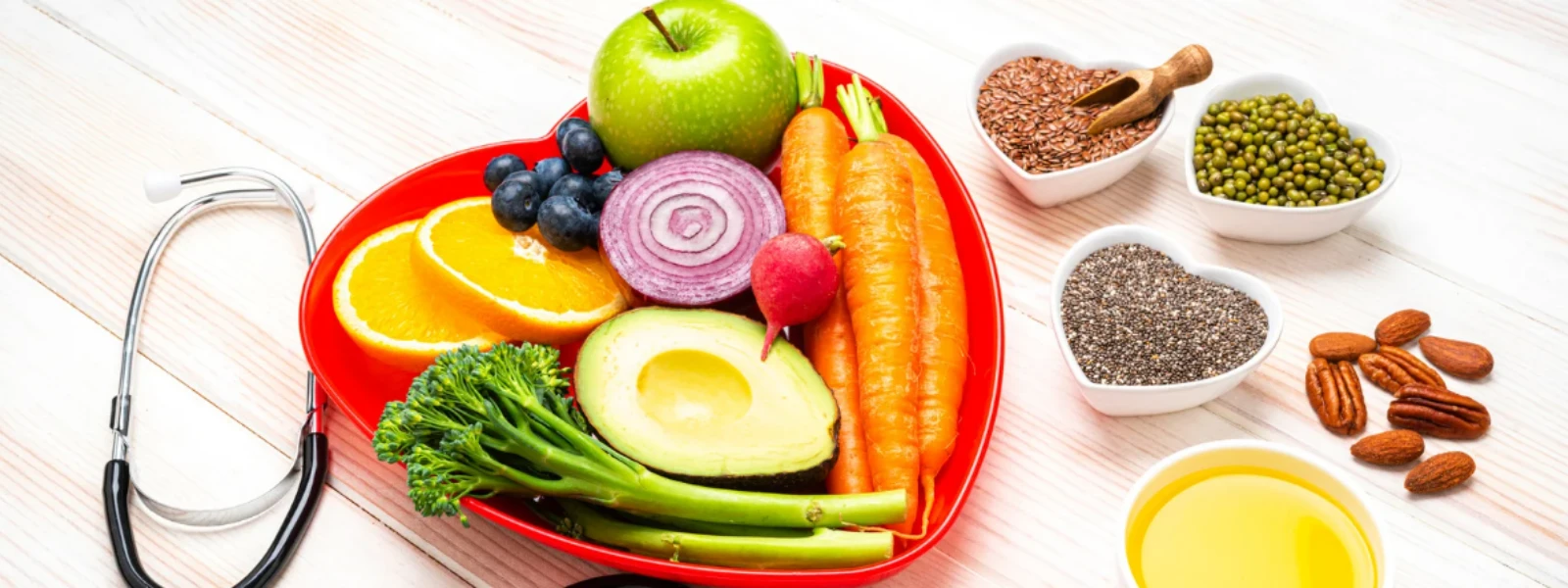


Your digestive system processes over 11,000 gallons of liquid and 50 tons of food throughout your lifetime. Yet millions of people struggle with digestive discomfort daily, often unaware that simple food choices can dramatically improve their gut health within weeks. Understanding what to eat for good digestion isn't just about avoiding stomach upset—it's about creating a foundation for better nutrient absorption, immune function, and overall wellbeing.
This comprehensive guide explores the science-backed foods and strategies that support optimal digestive health. You'll discover which digestive health foods to prioritize, how to naturally improve digestion, and practical meal planning approaches that work with your lifestyle. Whether you're dealing with occasional bloating or seeking to optimize your gut health proactively, these evidence-based recommendations will help you build a sustainable, gut-friendly approach to eating.
Your digestive system relies on a complex interplay of fiber, beneficial bacteria, digestive enzymes, and anti-inflammatory compounds to function optimally. When you choose foods for gut health strategically, you're supporting each of these essential components.
Dietary fiber acts as fuel for beneficial gut bacteria while promoting regular bowel movements and reducing inflammation. Soluble fiber, found in oats and apples, forms a gel-like substance that slows digestion and helps stabilize blood sugar. Insoluble fiber, abundant in whole grains and vegetables, adds bulk to stool and speeds transit time through the intestines.
Probiotics—live beneficial bacteria found in fermented foods—help maintain the delicate balance of your gut microbiome. These microorganisms produce short-chain fatty acids that nourish intestinal cells, support immune function, and may even influence mood through the gut-brain connection.
Digestive enzymes, naturally present in certain fruits like papaya and pineapple, help break down proteins, fats, and carbohydrates more efficiently. This enhanced breakdown reduces the likelihood of undigested food particles causing digestive distress.
Did You Know?
Your gut microbiome contains over 100 trillion bacteria—that's roughly the same number of cells as in your entire body. The diversity and balance of these microorganisms directly influence your digestive comfort, immune response, and even mental clarity.
The best foods for digestion start with adequate fiber intake. Adults need 25-35 grams of fiber daily, yet most people consume less than half this amount. Incorporating diverse fiber sources ensures you're feeding beneficial gut bacteria while promoting regular elimination.
Whole grains like oats, quinoa, and brown rice provide sustained energy while supporting digestive regularity. Oats contain beta-glucan, a soluble fiber that forms a protective gel in the intestines and helps reduce cholesterol levels. Quinoa offers complete protein alongside fiber, making it an excellent choice for those seeking easy to digest foods that don't compromise nutrition.
Fruits rich in both fiber and natural enzymes support digestion from multiple angles. Apples contain pectin, which feeds beneficial bacteria and may help reduce inflammation. Berries provide antioxidants that protect intestinal cells from oxidative stress. Pears offer both soluble and insoluble fiber, promoting satiety and digestive comfort.
Vegetables should form the cornerstone of any gut friendly diet. Leafy greens like spinach and kale provide folate and fiber while being gentle on sensitive digestive systems. Cruciferous vegetables such as broccoli and Brussels sprouts contain sulfur compounds that support liver detoxification—an often-overlooked aspect of digestive health.
Foods for healthy gut bacteria go beyond basic yogurt. While plain, unsweetened yogurt with live cultures remains an excellent choice, expanding your probiotic repertoire ensures greater bacterial diversity.
Kefir contains more probiotic strains than yogurt and is often better tolerated by those with lactose sensitivity. The fermentation process breaks down much of the lactose while creating beneficial compounds that support intestinal barrier function.
Fermented vegetables like sauerkraut and kimchi provide probiotics alongside fiber and vitamins. These foods undergo lacto-fermentation, which preserves nutrients while creating an acidic environment that supports beneficial bacteria growth. Choose unpasteurized versions when possible, as pasteurization destroys live cultures.
Miso and tempeh offer plant-based probiotic options that also provide complete proteins. These fermented soy products contain enzymes that aid protein digestion while delivering beneficial bacteria to support gut health.
When digestive symptoms flare, easy to digest foods become essential. These options provide nutrition without overtaxing an already stressed system.
Lean proteins like chicken breast, white fish, and tofu require less digestive effort than fatty or processed meats. Cooking methods matter too—steaming, poaching, and gentle sautéing preserve nutrients while maintaining digestibility.
Bananas provide potassium and natural sugars that are easily absorbed. They also contain resistant starch, which feeds beneficial bacteria without causing gas in most people. White rice, while less nutritious than brown rice, digests quickly and can provide energy during digestive upset.
Bone broth contains amino acids like glycine and proline that support intestinal lining repair. The gentle cooking process breaks down proteins into easily absorbed forms while providing minerals that support overall digestive function.
Certain digestion boosting foods specifically address common digestive complaints like bloating, gas, and stomach discomfort. Understanding which foods provide targeted relief helps you respond appropriately to digestive challenges.
Ginger contains gingerols and shogaols—compounds that stimulate digestive motility and reduce inflammation. Fresh ginger tea or small amounts of fresh ginger added to meals can help prevent nausea and support stomach emptying. Research shows ginger may be particularly effective for reducing bloating after meals.
Peppermint relaxes smooth muscle in the digestive tract, which can help reduce cramping and gas. Peppermint tea between meals provides antispasmodic benefits without interfering with digestion. However, avoid peppermint if you have acid reflux, as it may relax the lower esophageal sphincter.
Fennel seeds have been used traditionally to reduce gas and bloating. They contain anethole, a compound that helps relax intestinal muscles and reduce fermentation. Chewing a small amount of fennel seeds after meals or brewing fennel tea can provide gentle digestive support.
Papaya and pineapple contain natural digestive enzymes—papain and bromelain respectively—that help break down proteins. These fruits are particularly beneficial when eaten before or with protein-rich meals. The enzymes remain active in the digestive tract, supporting more complete protein digestion.
Cucumber and watermelon provide hydration while being extremely easy to digest. Their high water content helps prevent constipation while their mild nature makes them suitable even during digestive upset. These foods also provide electrolytes that support proper muscle function throughout the digestive tract.
How you eat matters as much as what you eat when it comes to natural remedies for digestion. Mindful eating practices support optimal digestive function by allowing your body's natural processes to work efficiently.
Eating slowly and chewing thoroughly begins the digestive process in your mouth. Saliva contains enzymes that start breaking down carbohydrates, and thorough chewing increases the surface area available for these enzymes to work. Aim to chew each bite 20-30 times before swallowing.
Meal timing affects digestive efficiency. Eating large meals close to bedtime can interfere with sleep and proper digestion. Allow at least 3 hours between your last meal and bedtime to support optimal stomach emptying and reduce the risk of acid reflux.
Portion control prevents overwhelming your digestive system. Smaller, more frequent meals often digest more comfortably than large portions. This approach maintains steady blood sugar levels while reducing the workload on digestive organs.
What you drink and when you drink it significantly impacts digestive comfort. Proper hydration supports all digestive processes, but timing matters for optimal function.
Drinking large amounts of liquid with meals can dilute digestive enzymes and stomach acid. Instead, focus on staying well-hydrated between meals and limit beverages during eating to small sips as needed.
Herbal teas provide targeted digestive support. Chamomile tea soothes inflammation and may help reduce cramping. Dandelion root tea supports liver function and bile production. Licorice root tea can help heal intestinal lining, though it should be used cautiously by those with high blood pressure.
Warm water with lemon first thing in the morning can stimulate digestive function and support liver detoxification. The citric acid in lemon may help increase stomach acid production, which often decreases with age.
Creating a sustainable approach to digestive health requires personalization. While certain foods benefit most people, individual responses vary based on genetics, existing health conditions, and personal tolerances.
Start by keeping a food and symptom diary for 1-2 weeks. Note what you eat, when you eat it, and any digestive symptoms that occur. Look for patterns—certain foods, meal timing, or stress levels that correlate with digestive discomfort.
Introduce new digestive health foods gradually. Adding too much fiber too quickly can cause temporary bloating and gas as your gut bacteria adjust. Increase fiber intake by 5 grams per week while ensuring adequate water intake to support the additional fiber.
Consider working with a healthcare provider if you have persistent digestive issues. Conditions like small intestinal bacterial overgrowth (SIBO), inflammatory bowel disease, or food intolerances may require specific dietary modifications beyond general gut health recommendations.
Focus on variety within your comfort zone. Eating the same few foods repeatedly, even if they're healthy, can lead to nutrient deficiencies and reduced bacterial diversity. Aim to include different colored fruits and vegetables, various protein sources, and diverse whole grains throughout the week.
While no food provides instant digestive relief, ginger tea, peppermint tea, and warm water with lemon can provide relatively quick comfort for mild digestive upset. Papaya and pineapple may help with protein digestion when eaten with meals. However, sustainable digestive improvement requires consistent dietary changes over weeks to months.
Common digestive irritants include highly processed foods, excessive caffeine, alcohol, spicy foods, and high-fat meals. However, individual tolerances vary significantly. Foods that cause problems for one person may be perfectly fine for another. Keep a food diary to identify your personal triggers rather than eliminating foods unnecessarily.
Most people notice some improvement in digestive comfort within 1-2 weeks of dietary changes. However, significant changes in gut bacteria composition can take 2-4 weeks, and healing of intestinal lining may require several months. Consistency with beneficial dietary changes is more important than perfection.
While digestive supplements like probiotics and enzymes can be helpful, they work best when combined with a gut-supportive diet. Supplements cannot replace the complex benefits of whole foods, which provide fiber, antioxidants, and nutrients that support overall digestive health. Think of supplements as additions to, not replacements for, healthy eating habits.
High-fiber foods like vegetables, fruits, and whole grains support both digestive health and healthy weight management by promoting satiety and supporting beneficial gut bacteria. Lean proteins help maintain muscle mass while being easier to digest than fatty meats. Staying well-hydrated also supports both digestive function and healthy metabolism.
Optimal digestive health stems from understanding how different foods support your body's natural processes. By incorporating fiber-rich whole foods, probiotic sources, and gentle, easy-to-digest options while avoiding common irritants, you can create a sustainable approach to gut health. Remember that digestive improvement takes time and consistency—focus on gradual changes that you can maintain long-term rather than dramatic restrictions that aren't sustainable. Your digestive system responds best to variety, mindful eating practices, and patience as beneficial changes take hold. Consider exploring comprehensive wellness approaches that support not just digestive health, but overall vitality and wellbeing.




Someone sent you
Powered by ReferRush


