Essential Amino Acids Checklist: Optimize Your Intake
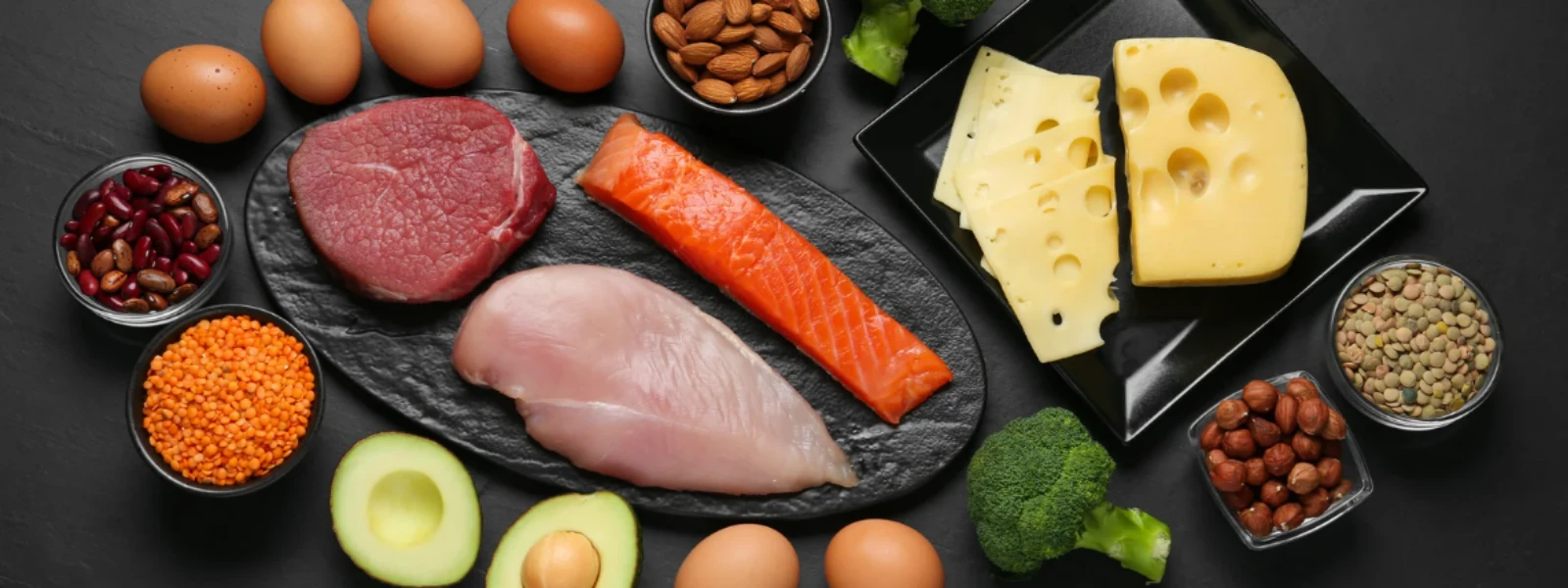


Your body runs on a complex network of proteins that control everything from muscle growth to brain function. At the heart of this system are essential AmIno aciDS - the building blocks your body cannot make on its own. Understanding how to optimize your essential amino acid intake can transform your health, energy levels, and body composition in ways that extend far beyond basic nutrition.
Think of essential amino acids as the foundation of your body's construction project. Without the right materials in the right amounts, even the best architectural plans fall short. This comprehensive checklist will guide you through everything you need to know about these vital nutrients, from identifying the nine essential amino acids to creating a personalized intake strategy that supports your unique health goals.
Essential amino acids are the nine amino acids your body cannot produce on its own, making dietary intake absolutely critical for optimal health. Unlike non-essential amino acids, which your body can synthesize from other compounds, these nine must come directly from your food or supplements.
The nine essential amino acids include histidine, isoleucine, leucine, lysine, methionine, phenylalanine, threonine, tryptophan, and valine. Each plays distinct roles in amino acid synthesis and amino acid metabolism, working together to maintain your body's complex biological processes.
The term "essential" in nutrition science refers to nutrients your body requires but cannot manufacture internally. This classification emerged from decades of research showing that amino acid deficiency in any of these nine compounds leads to serious health consequences, including impaired protein synthesis, muscle wasting, and compromised immune function.
Your body maintains a delicate amino acid balance through continuous processes of breakdown and rebuilding. Every day, your cells break down approximately 300 grams of protein while simultaneously building new proteins. This constant turnover means your amino acid requirements remain consistently high throughout your life.
Each essential amino acid contributes unique functions to your overall health, making a complete amino acid profile crucial for optimal body function.
These three amino acids, known collectively as branched-chain amino acids (BCAAs), play central roles in muscle protein synthesis and energy metabolism. Leucine acts as a primary trigger for muscle building, while isoleucine and valine support energy production during exercise and stress.
Research suggests leucine requirements range from 14-45 mg per kilogram of body weight daily, depending on activity level and age. Isoleucine and valine requirements typically fall between 10-20 mg per kilogram daily.
Lysine supports collagen formation, immune function, and calcium absorption. Methionine provides methyl groups essential for DNA methylation and cellular repair processes. The amino acid structure of methionine also makes it crucial for producing other important compounds like cysteine and taurine.
Histidine supports immune function and hemoglobin production. Phenylalanine serves as a precursor to neurotransmitters like dopamine and norepinephrine. Threonine aids in protein structure and immune function, while tryptophan supports serotonin production and sleep regulation.
Did You Know?
Your amino acid requirements can increase by up to 50% during periods of stress, illness, or intense physical training. This makes monitoring your amino acid composition intake even more important during challenging life phases.
Understanding the amino acid composition of different foods helps you make informed choices about meeting your essential amino acid requirements through diet.
Complete proteins contain all nine essential amino acids in proportions that support human health. Animal-based sources like eggs, fish, poultry, and dairy typically provide complete amino acid profiles. These foods offer high biological value, meaning your body can efficiently use the amino acids they provide.
Among plant sources, quinoa, buckwheat, hemp seeds, and soy products stand out as complete proteins. These options make it possible to meet amino acid requirements on plant-based diets with proper planning.
Many plant proteins are considered "incomplete" because they lack adequate amounts of one or more essential amino acids. However, combining different plant proteins throughout the day can create complete amino acid profiles. Classic combinations include rice with beans, hummus with whole grain pita, or nuts with seeds.
The key lies in understanding complementary amino acid patterns. Legumes typically provide ample lysine but limited methionine, while grains offer methionine but less lysine. Combining these foods creates a balanced amino acid profile that supports optimal amino acid function.
Essential amino acids influence body composition through multiple pathways involving amino acid metabolism and cellular signaling.
Muscle protein synthesis requires all essential amino acids to be present simultaneously. Research shows that consuming complete proteins or amino acid supplements can stimulate muscle building more effectively than incomplete protein sources.
The timing of amino acid intake also matters. Studies indicate that distributing protein intake evenly throughout the day, rather than consuming large amounts in single meals, optimizes muscle protein synthesis rates.
Essential amino acids support healthy metabolism through multiple mechanisms. They help maintain lean muscle mass, which increases metabolic rate. Certain amino acids like tryptophan influence appetite regulation through serotonin production, while others support thyroid function and energy production.
Adequate amino acid intake also supports healthy insulin sensitivity and glucose metabolism, contributing to better weight management and reduced risk of metabolic disorders.
Identifying amino acid deficiency early can prevent serious health consequences and optimize your overall well-being.
Amino acid deficiency often manifests gradually through symptoms like persistent fatigue, slow wound healing, frequent infections, hair loss, and mood changes. More severe deficiencies can lead to muscle wasting, impaired growth in children, and compromised immune function.
Athletes and individuals following restrictive diets face higher risks of amino acid deficiency. Vegetarians and vegans need particular attention to amino acid balance, especially during periods of increased physical or mental stress.
While blood tests can measure amino acid levels, practical assessment often focuses on dietary analysis and symptom monitoring. Keeping a food diary that tracks protein sources and amounts can help identify potential gaps in amino acid intake.
Pay attention to protein quality, not just quantity. Consuming 50 grams of protein from a single incomplete source differs significantly from consuming the same amount from varied, complete sources.
Creating an effective strategy for meeting your amino acid requirements involves considering your individual needs, preferences, and lifestyle factors.
Base protein requirements start at 0.8 grams per kilogram of body weight for sedentary adults, but active individuals may need 1.2-2.0 grams per kilogram daily. Since complete proteins contain approximately 15-20% essential amino acids, aim for high-quality protein sources to maximize amino acid function.
Structure your meals to include complete proteins or complementary combinations at each eating occasion. This approach ensures consistent availability of essential amino acids for ongoing metabolic processes.
Consider the amino acid composition of your favorite foods and identify potential gaps. If you rely heavily on certain protein sources, research their amino acid profiles to ensure you're not missing key nutrients.
While whole foods remain the preferred source for essential amino acids, amino acid supplements can help fill specific gaps or support particular health goals. Look for supplements that provide complete amino acid profiles rather than isolated compounds, unless you're targeting specific deficiencies.
Quality matters significantly in amino acid supplements. Choose products that undergo third-party testing and provide transparent information about amino acid content and bioavailability.
The nine essential amino acids are histidine, isoleucine, leucine, lysine, methionine, phenylalanine, threonine, tryptophan, and valine. Your body lacks the enzymatic pathways necessary to synthesize these amino acids from other compounds, making dietary intake essential for health. This evolutionary limitation likely developed because these amino acids were readily available in ancestral diets, making internal production unnecessary.
Monitor your energy levels, muscle recovery, and overall health while tracking your protein sources for variety and completeness. Include complete plant proteins like quinoa and hemp seeds, and combine complementary proteins throughout the day. Consider consulting with a nutritionist to analyze your amino acid intake patterns and identify potential gaps.
While amino acid supplements can help address specific deficiencies or support particular goals, they shouldn't completely replace whole food protein sources. Whole foods provide additional nutrients, fiber, and compounds that work synergistically with amino acids. Supplements work best as part of a balanced diet that includes varied protein sources.
Most adults need 0.8-1.2 grams of high-quality protein per kilogram of body weight daily, with active individuals requiring up to 2.0 grams per kilogram. Focus on including complete proteins or complementary combinations at each meal to ensure consistent amino acid availability throughout the day.
Insufficient essential amino acid intake can lead to impaired muscle protein synthesis, weakened immune function, slower wound healing, fatigue, and mood changes. Severe deficiencies may cause muscle wasting, stunted growth in children, and increased susceptibility to infections. These effects develop gradually, making consistent adequate intake important for long-term health.
Optimizing your essential amino acid intake requires understanding both the science behind these vital nutrients and practical strategies for meeting your individual needs. By focusing on complete protein sources, strategic food combining, and consistent intake throughout the day, you can ensure your body has the building blocks it needs for optimal health, energy, and body composition. Remember that amino acid requirements vary based on age, activity level, stress, and health status, making personalized approaches most effective. Whether through carefully planned meals or targeted supplementation, investing in proper amino acid nutrition pays dividends in improved health, enhanced performance, and better quality of life.




Someone sent you
Powered by ReferRush


