How to Create a Fat Loss Diet That Actually Works?
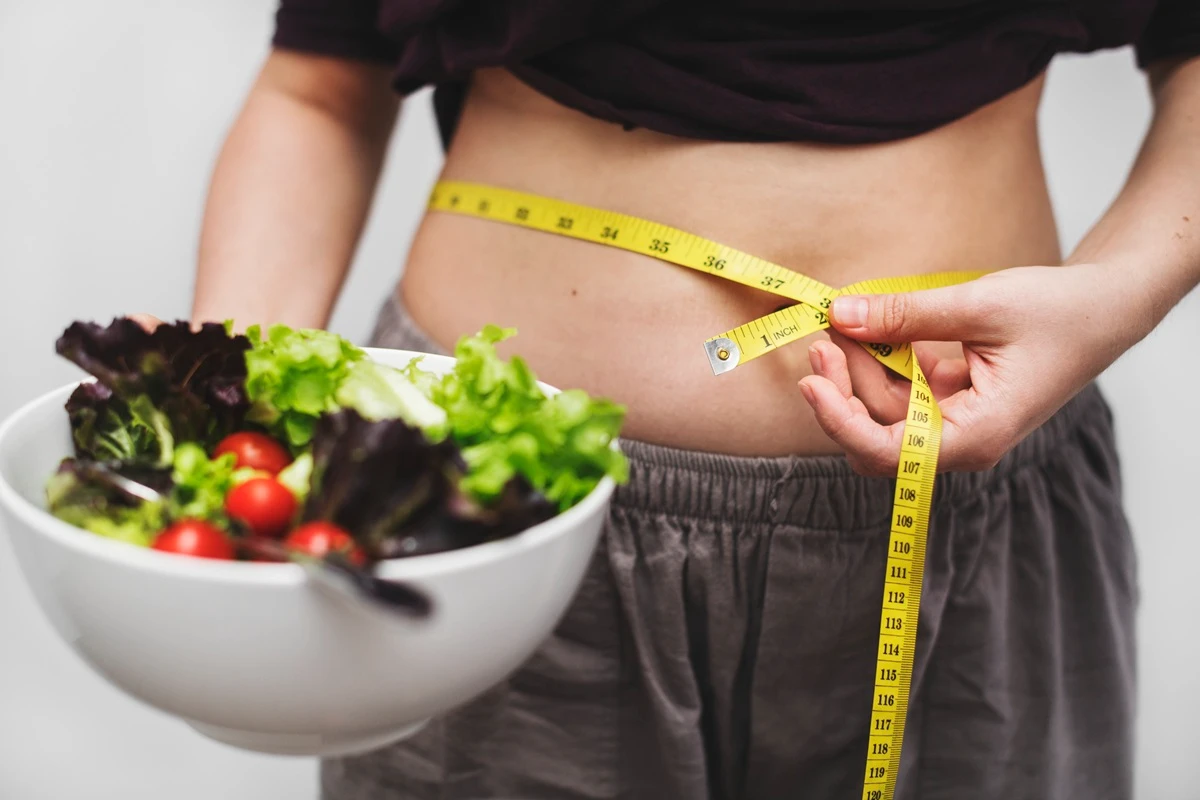


Are you tired of trying countless diets that promise quick results but leave you feeling frustrated and defeated? You're not alone. The world of fat loss diets can feel overwhelming, with conflicting advice and unrealistic expectations everywhere you turn. Many people jump from one trendy diet to another, only to find temporary results that don't last.
The truth is, most diets fail because they're not built on solid scientific principles or sustainable habits. They often rely on extreme restrictions or complicated rules that are impossible to maintain long-term. This creates a cycle of short-term success followed by inevitable disappointment.
In this guide, you'll learn how to create a fat loss diet that actually works for your lifestyle and goals. We'll explore the science behind effective fat loss, help you build a personalized nutrition plan, and show you how to maintain your results for the long haul. By the end of this post, you'll have the knowledge and tools to create a sustainable approach to fat loss that fits seamlessly into your busy life.
Fat loss happens when your body burns more energy than it takes in. This process forces your body to tap into stored fat for fuel. Your metabolism plays a key role here, converting food into energy and determining how efficiently your body uses that energy throughout the day.
Your body stores excess energy as fat when you consume more calories than you burn. To reverse this process, you need to create an energy imbalance where you use more energy than you consume. This is the fundamental principle that drives all successful fat loss efforts.
Traditional diets often fail because they focus on quick fixes rather than sustainable changes. They typically involve severe calorie restrictions that are impossible to maintain, leading to feelings of deprivation and eventual overeating. Many diets also eliminate entire food groups, making them socially challenging and nutritionally incomplete.
Another common issue is the all-or-nothing mentality that many diets promote. When people inevitably slip up, they feel like failures and abandon their efforts entirely. This creates a destructive cycle that damages both physical and mental health.
A calorie deficit is the cornerstone of any successful fat loss diet. This means consuming fewer calories than your body burns each day. The deficit doesn't need to be extreme – a moderate deficit of 300-500 calories per day can lead to steady, sustainable fat loss.
Creating a calorie deficit can be achieved through reducing food intake, increasing physical activity, or a combination of both. The most effective approach combines reasonable dietary changes with regular exercise, making the process more manageable and sustainable.
Before creating your fat loss diet, you need to understand how many calories your body needs each day. Your total daily energy expenditure includes your basal metabolic rate, physical activity, and the energy used to digest food. Online calculators can give you a starting point, but you may need to adjust based on your results.
Start by tracking your current intake for a week without making changes. This gives you baseline data to work with. Then, create a moderate deficit by reducing your intake by 10-20% or increasing your activity level accordingly.
Macronutrients – proteins, carbohydrates, and fats – all play important roles in your fat loss journey. The right balance can help you feel satisfied, maintain muscle mass, and support your energy levels throughout the day.
A balanced approach might include 25-30% of calories from protein, 25-35% from fats, and the remainder from carbohydrates. These percentages can be adjusted based on your preferences, activity level, and how your body responds to different macronutrient ratios.
Protein is particularly beneficial for fat loss because it helps preserve muscle mass during weight loss. It also has a higher thermic effect than other macronutrients, meaning your body burns more calories digesting and processing protein-rich foods.
A high-protein diet also helps with satiety, keeping you feeling full and satisfied between meals. This natural appetite control makes it easier to maintain your calorie deficit without feeling constantly hungry or deprived.
Did You Know? Eating protein can boost your metabolism and reduce your appetite, making it easier to achieve a calorie deficit.
Not all carbohydrates and fats are created equal. Focus on complex carbohydrates like whole grains, vegetables, and legumes that provide sustained energy and essential nutrients. These foods also tend to be more filling and satisfying than refined alternatives.
For fats, prioritize sources like nuts, seeds, avocados, and olive oil. These healthy fats support hormone production, nutrient absorption, and overall health while helping you feel satisfied after meals.
The timing and frequency of your meals can impact your success, but individual preferences matter most. Some people thrive on three larger meals, while others prefer smaller, more frequent meals throughout the day. The key is finding a pattern that helps you maintain your calorie deficit consistently.
What matters more than timing is the quality and quantity of food you consume. Focus on creating meals that combine protein, healthy fats, and complex carbohydrates to keep you satisfied and energized.
Learning proper portion sizes is crucial for maintaining your calorie deficit without obsessive measuring. Use visual cues like your palm for protein portions, your fist for vegetables, your cupped palm for carbohydrates, and your thumb for fats.
Eating slowly and mindfully can also help with portion control. It takes about 20 minutes for your brain to register fullness, so slowing down your eating pace can prevent overconsumption.
Proper hydration supports your metabolism and can help control appetite. Sometimes thirst masquerades as hunger, leading to unnecessary snacking. Aim for at least 8-10 glasses of water daily, and consider drinking a glass before meals to help with satiety.
Water also plays a vital role in nutrient transport, waste elimination, and maintaining energy levels throughout your fat loss journey.
A successful fat loss diet must fit into your real life. When planning meals, consider your schedule, cooking skills, and food preferences. Start with simple recipes and gradually expand your repertoire as you become more comfortable with your new eating pattern.
Plan your meals around foods you genuinely enjoy. This approach makes it much easier to stick with your plan long-term and reduces the feeling that you're on a restrictive diet.
Completely eliminating foods you love often leads to feelings of deprivation and eventual overeating. Instead, learn to incorporate your favorite treats in smaller portions or less frequently. This balanced approach helps prevent the all-or-nothing mentality that derails many diet attempts.
The 80/20 rule works well for many people – aim to make nutritious choices 80% of the time while allowing flexibility for treats and social situations the remaining 20%.
Meal preparation can be a game-changer for maintaining your fat loss diet during busy periods. Start small by preparing just one or two components ahead of time, like cooking protein sources or chopping vegetables for the week.
Batch cooking grains, proteins, and roasted vegetables on weekends can provide the foundation for multiple meals throughout the week. This approach saves time and ensures you always have healthy options available.
Weight loss plateaus are normal and expected during your fat loss journey. When progress stalls, resist the urge to drastically cut calories or add excessive exercise. Instead, make small adjustments like slightly reducing portions or adding more daily movement.
Sometimes plateaus indicate that your body has adapted to your current routine. Small changes in your exercise routine or meal timing can help restart progress without compromising your long-term success.
While diet plays the primary role in creating a calorie deficit, exercise provides numerous benefits that support your fat loss goals. Regular physical activity helps preserve muscle mass, improves mood, and can increase your daily calorie burn.
Exercise also offers mental health benefits that can improve your relationship with food and help you stick to your nutrition plan. The confidence and stress relief that come from regular activity often translate into better dietary choices.
Fat burning exercises include both cardiovascular activities and strength training. Cardio exercises like walking, swimming, or cycling help burn calories during the activity, while strength training builds muscle that burns calories even at rest.
High-intensity interval training combines the benefits of both cardio and strength training in time-efficient workouts. These sessions can continue burning calories for hours after you finish exercising.
The most effective exercise routine for fat loss includes both cardiovascular exercise and strength training. Cardio helps create an immediate calorie deficit, while strength training preserves and builds muscle mass that supports long-term metabolic health.
Aim for at least 150 minutes of moderate cardio or 75 minutes of vigorous cardio per week, plus two or more strength training sessions. This combination provides optimal support for your fat loss diet.
Your workout routine should complement your lifestyle and energy levels. Start with activities you enjoy and gradually increase intensity and duration. Consistency matters more than perfection, so choose exercises you can realistically maintain long-term.
Consider your recovery needs when planning workouts. Adequate rest allows your body to repair and adapt, supporting both your exercise performance and fat loss goals.
Once you reach your fat loss goals, gradually increase your calorie intake to match your new maintenance needs. This transition should be slow and monitored to prevent rapid weight regain while allowing your metabolism to adjust to your new body composition.
Many people find that maintaining their results requires ongoing attention to their eating habits and activity levels. The skills you develop during your fat loss phase become lifelong tools for maintaining your success.
Tracking your progress helps you identify what's working and what needs adjustment. This doesn't mean obsessing over daily weight fluctuations, but rather monitoring trends over time through multiple metrics like measurements, how clothes fit, and energy levels.
When considering nutritional support for your fat loss journey, look for options with superior ingredients, highly absorbable formats, palatable flavors that can complement your overall nutrition plan without replacing the fundamentals of good diet and exercise.
Your nutritional needs will evolve as your body composition changes and your activity level fluctuates. Stay flexible and willing to adjust your approach based on your current circumstances and goals.
Regular check-ins with your progress and how you feel can guide necessary adjustments to keep you moving toward your long-term health and fitness goals.
While it's possible to lose fat without explicitly counting calories, creating a calorie deficit is essential for fat loss. You can achieve this by focusing on whole foods, controlling portion sizes, and increasing physical activity.
A high-protein diet can be beneficial for fat loss. Aim for 1.6 to 2.2 grams of protein per kilogram of body weight daily. This helps preserve muscle mass and increases satiety, making it easier to maintain a calorie deficit.
While no food directly burns fat, some foods can slightly boost metabolism. These include green tea, chili peppers, and foods high in protein. However, the effect is minimal, and creating a calorie deficit through diet and exercise remains the most effective way to lose fat.
Results vary depending on factors like starting weight, diet adherence, and exercise routine. Generally, you might notice changes within 4-6 weeks of consistent effort. Remember, sustainable fat loss is typically 0.5-1 kg per week.
Creating an effective fat loss diet involves understanding the science of fat loss, personalizing your approach, and maintaining consistency. By focusing on a calorie deficit, consuming a high-protein diet, planning your nutrition carefully, and complementing your diet with fat burning exercises, you can achieve sustainable results. Remember, the most effective diet is one you can stick to long-term. Use the strategies outlined in this post to create a fat loss plan that works for you and your lifestyle. Consider exploring quality nutritional support options that align with your health goals and complement your commitment to long-term wellness.




Someone sent you
Powered by ReferRush


