How to Use Fiber Rich Foods for Constipation Relief?
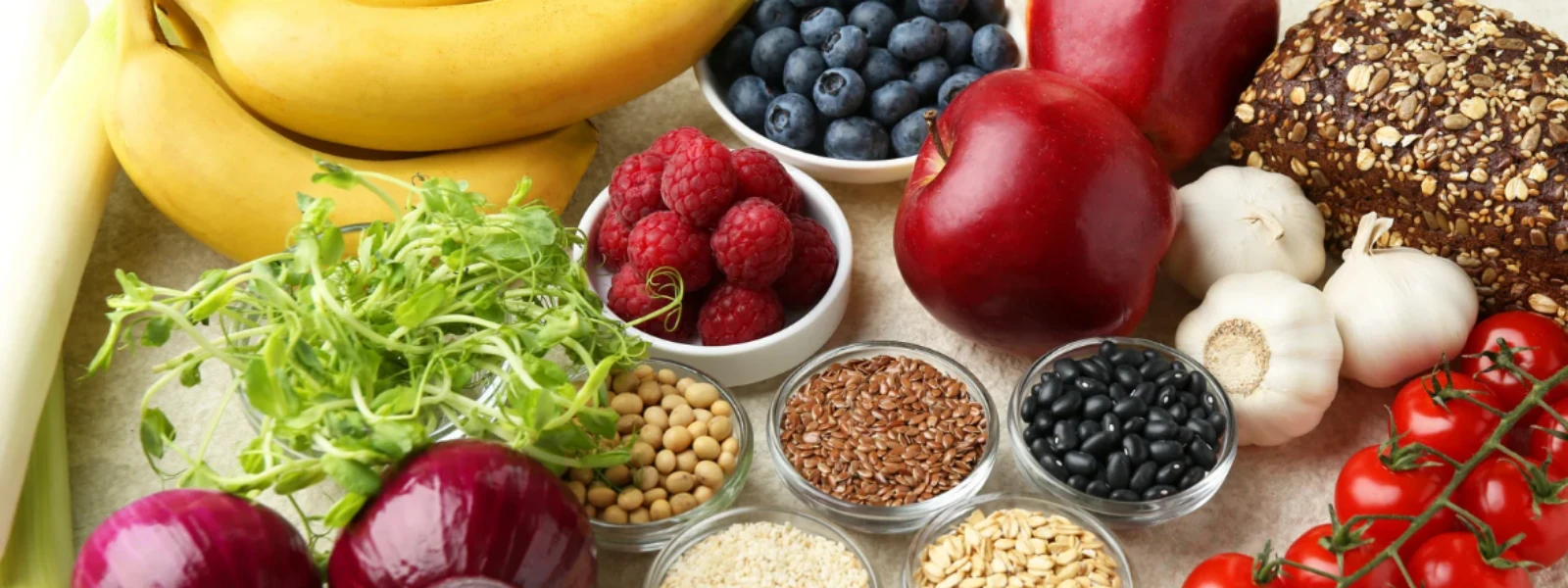


Dealing with constipation can be uncomfortable and frustrating, but nature provides powerful solutions through fiber rich foods for constipation relief. Unlike temporary fixes, incorporating the right foods into your daily routine addresses the root cause of digestive sluggishness while supporting long-term gut health. This comprehensive guide explores how different types of fiber work, which foods deliver the most effective relief, and how to safely increase your intake for optimal digestive wellness.
Fiber functions as your digestive system's natural regulator, but not all fiber works the same way. Soluble fiber dissolves in water to form a gel-like substance that softens stool and makes it easier to pass. This type of fiber also feeds beneficial gut bacteria, promoting a healthy microbiome that supports overall digestive function.
Insoluble fiber doesn't dissolve in water. Instead, it adds bulk to stool and helps food move through your digestive tract more efficiently. Think of it as nature's broom, sweeping waste through your intestines and preventing the sluggish movement that leads to constipation.
When gut bacteria ferment soluble fiber, they produce short-chain fatty acids that nourish colon cells and improve intestinal health. This process also draws water into the colon, further softening stool and promoting regular bowel movements.
While over-the-counter laxatives provide quick relief, they don't address underlying digestive health. Fiber rich foods for constipation work differently by:
Creating sustainable digestive patterns without dependency. Your body naturally processes fiber, so there's no risk of becoming reliant on external aids for normal bowel function.
Supporting beneficial bacteria growth, which improves nutrient absorption and immune function. This creates a positive cycle where better gut health leads to more efficient digestion.
Providing additional nutrients like vitamins, minerals, and antioxidants that support overall health beyond just constipation relief.
Prunes remain the gold standard among foods to relieve constipation. A quarter-cup provides 6.1 grams of fiber plus sorbitol, a natural sugar alcohol that draws water into the intestines. This combination typically produces results within 6 to 12 hours.
Pears with skin deliver 6 grams of fiber per medium fruit, with high pectin content that forms beneficial gels in your digestive tract. The skin contains most of the insoluble fiber, so eating the whole fruit maximizes benefits.
Kiwifruit contains actinidin, an enzyme that aids protein digestion and promotes gut motility. Two medium kiwis provide about 4.6 grams of fiber and often show effects within hours of consumption.
Berries pack impressive fiber density. Raspberries lead with 8 grams per cup, while blackberries provide 7.6 grams. Their small seeds contribute insoluble fiber that adds beneficial bulk to stool.
Broccoli offers 5 grams of fiber per cup along with compounds that support liver detoxification. Steam lightly to preserve fiber content while making it easier to digest.
Brussels sprouts provide 4 grams of fiber per cup plus natural enzymes that aid digestion. Their cruciferous compounds also support beneficial gut bacteria growth.
Sweet potatoes with skin contain multiple fiber types including cellulose, lignin, and pectin. One medium sweet potato delivers 3.8 grams of fiber plus potassium that supports muscle function in the digestive tract.
Leafy greens like spinach combine fiber with magnesium, a mineral that helps relax intestinal muscles and promotes smoother bowel movements.
Lentils top the charts with 15 grams of fiber per cooked cup. They provide both soluble and insoluble fiber, making them among the most effective foods that help with bowel movements.
Black beans match lentils with 15 grams of fiber per cup, plus resistant starch that feeds beneficial gut bacteria and improves digestive health over time.
Chia seeds deliver 10 grams of fiber per ounce and form a gel when mixed with liquid. This gel-like consistency helps soften stool while the seeds provide bulk for easier passage.
Ground flaxseeds offer 2.8 grams of fiber per tablespoon plus omega-3 fatty acids that reduce inflammation in the digestive tract. Always use ground flaxseeds for better absorption.
Did You Know?
Your gut bacteria can adapt to process more fiber within just a few days of increasing intake. This means the initial gas and bloating from adding fiber rich foods typically subsides quickly as your microbiome adjusts to the new fuel source.
Adults need 25 to 35 grams of fiber daily for optimal digestive health. However, most people consume only half this amount. Spreading fiber intake across meals prevents overwhelming your digestive system while maintaining steady gut activity throughout the day.
Morning fiber intake jumpstarts digestive processes after the overnight fast. Including 8 to 10 grams of fiber at breakfast sets a positive tone for the entire day's digestive rhythm.
Evening fiber consumption supports overnight digestive processes, often leading to morning bowel movements. However, avoid large amounts of insoluble fiber close to bedtime if you're sensitive to digestive activity during sleep.
Breakfast options that deliver substantial fiber include oatmeal topped with berries and chia seeds (12 grams total), whole grain toast with avocado (8 grams), or a smoothie with spinach, banana, and ground flaxseed (9 grams).
Lunch combinations might feature lentil soup with vegetables (18 grams), a large salad with beans and nuts (12 grams), or brown rice bowl with roasted vegetables (10 grams).
Dinner ideas include quinoa with steamed broccoli (8 grams), whole wheat pasta with vegetable sauce (11 grams), or baked sweet potato with black beans (12 grams).
Smart snacking with an apple with skin (4 grams), a handful of almonds (3 grams), or whole grain crackers with hummus (5 grams) helps reach daily fiber goals without major meal changes.
Swap white bread for whole grain versions to gain 2 to 3 additional grams of fiber per slice. Choose brown rice over white rice for an extra 2 grams per half-cup serving.
Replace refined cereals with whole grain options that provide at least 5 grams of fiber per serving. Look for cereals listing whole grains as the first ingredient.
When reading nutrition labels, aim for foods providing at least 3 grams of fiber per serving to qualify as a good source, or 5 grams or more for an excellent source.
Oats contain beta-glucan, a type of soluble fiber that forms beneficial gels in your digestive tract. This gel softens stool while feeding beneficial bacteria that support long-term digestive health.
Apples provide pectin, particularly in the skin, which helps retain water in the colon and creates softer, easier-to-pass stools. The natural sugars also provide gentle energy for gut bacteria.
Carrots offer gentle soluble fiber that's well-tolerated even by sensitive digestive systems. Cooking carrots slightly breaks down fiber structure, making them easier to digest while maintaining benefits.
Soluble fiber works by forming gel-like substances that slow digestion and allow for better nutrient absorption while creating optimal stool consistency.
Wheat bran provides concentrated insoluble fiber at 10 grams per quarter-cup. This powerhouse adds significant bulk to stool and speeds transit time through the digestive tract.
Brown rice retains its bran layer, providing insoluble fiber that acts like a natural scrub brush for your intestines, helping clear waste more efficiently.
Nuts and seeds like almonds and sunflower seeds provide quick fiber boosts with 3 to 4 grams per ounce, plus healthy fats that support nutrient absorption.
Insoluble fiber functions as nature's broom, sweeping through your digestive tract and preventing the stagnation that leads to constipation.
Increase fiber intake by just 5 grams per week to allow your digestive system and gut bacteria time to adapt. This gradual approach prevents the gas, bloating, and cramping that can occur when fiber intake jumps too quickly.
Signs you're increasing fiber too rapidly include persistent bloating, excessive gas, abdominal cramping, or paradoxically worsening constipation. If these occur, reduce fiber intake slightly and increase more slowly.
Your gut bacteria need time to increase their populations and enzyme production to handle additional fiber. This adaptation typically takes 3 to 5 days for each increment increase.
Fiber needs adequate water to function properly. Without sufficient hydration, increased fiber intake can actually worsen constipation by creating hard, difficult-to-pass stools.
Aim for 8 to 10 glasses of water daily when following a high fiber diet for digestion. Increase water intake proportionally with fiber increases to maintain optimal hydration.
Signs of inadequate hydration with high fiber intake include harder stools, increased straining, or feeling like bowel movements are incomplete.
Reduce processed foods that slow digestion and provide empty calories without beneficial nutrients. These foods can counteract the positive effects of increased fiber intake.
Some people find dairy products contribute to constipation, particularly when increasing fiber. Monitor your response and consider reducing dairy temporarily while establishing new fiber habits.
Refined flour products like white bread and pastries provide calories without fiber and can slow overall digestive efficiency.
Most people experience relief within 12 to 24 hours when consuming adequate fiber with proper hydration. Prunes and kiwifruit often work fastest, sometimes within 6 to 8 hours, while beans and whole grains may take 1 to 2 days to show full effects.
Yes, consuming more than 40 to 50 grams of fiber daily can cause bloating, gas, and paradoxically worsen constipation if water intake is insufficient. Stick to 25 to 35 grams daily for optimal results without side effects.
Both types work together most effectively. Soluble fiber softens stool while insoluble fiber adds bulk and speeds movement. Foods containing both types, like beans and pears, often provide the best constipation relief.
Whole foods provide superior benefits because they contain multiple fiber types, water, and additional nutrients that support digestive health. Supplements can help bridge gaps but shouldn't replace fiber rich foods entirely.
Drink at least 8 ounces of water with each high-fiber meal and maintain total daily water intake of 8 to 10 glasses. Inadequate hydration can make fiber less effective and potentially worsen constipation.
Fiber rich foods for constipation offer a natural, sustainable solution that addresses digestive health at its foundation. By understanding how soluble and insoluble fiber work together, choosing the right foods, and gradually increasing intake with adequate hydration, you can establish healthy digestive patterns that last. Remember that consistency matters more than perfection – small daily improvements in fiber intake create significant long-term benefits for your digestive wellness and overall health.




Someone sent you


