You stepped on the scale, got a health check, or maybe just felt it in your body and something clicked. Not in a dramatic way, but in a quiet, honest way. The kind that makes you ask: can this actually be undone?
The short answer is yes. Reversible health issues do exist; obesity reversal is real, backed by science, and more achievable than most people think. But it requires understanding what's actually happening in your body and building a life that works with your biology, not against it.
What Is Obesity, really?
Before we talk about reversing it, let's understand it. Obesity is defined as having a Body Mass Index (BMI) above 30, but it's far more than a number. It's a chronic, complex condition influenced by hormones, gut health, sleep, stress, genetics, and environment.

Understanding the types of obesity matters too. There's metabolic obesity (driven by insulin dysregulation), stress-induced obesity (cortisol-driven fat storage, especially visceral), and lifestyle-driven obesity. Each respond to slightly different approaches, but all of them respond to consistent, targeted effort.
Fun Fact: The word "obesity" comes from the Latin obesitas, meaning "having eaten until fat", a definition that completely ignores the hormonal, genetic, and environmental science we now understand. Language is slowly catching up to the biology.
The Real Causes of Obesity
Here's what most people miss: weight gain is rarely about laziness or lack of willpower. The causes of obesity are systemic.

The causes of weight gain compound over time. A few years of high-stress living, poor sleep, and convenience food don't just add pounds, they rewire your hunger signals, metabolism, and fat-storage patterns. That's why reversal takes more than a two-week crash diet (NIH).
Did You Know?
People with poor sleep of just 5–6 hours per night are up to 55% more likely to become obese than those sleeping 7–9 hours, not because of late-night snacking alone, but because sleep deprivation physically raises ghrelin (the hunger hormone) and crashes leptin (the fullness signal) within a single night (NIH).
So, Can Obesity Be Reversed?
Yes. Genuinely, clinically, measurably yes.
Obesity management today is evidence-based and far more nuanced than "eat less, move more." Studies consistently show that with the right combination of nutrition, movement, sleep, and targeted support, people not only lose significant weight but reverse metabolic markers entirely, blood sugar normalises, inflammation drops, blood pressure improves.
The key is sustainability. Short-term restriction creates rebound. Long-term weight management means building systems, not suffering through sprints.
Fun Fact: Your liver can accumulate fat you cannot see or feel and it's one of the first organs to benefit from weight loss. Studies show that losing just 5% of body weight can reduce liver fat by up to 40%, meaningfully improving insulin sensitivity within weeks (NIH).
Daily Habits That Work
1. Nutrition First
Healthy eating habits are the non-negotiable foundation. This doesn't mean eating less, it means eating smarter.
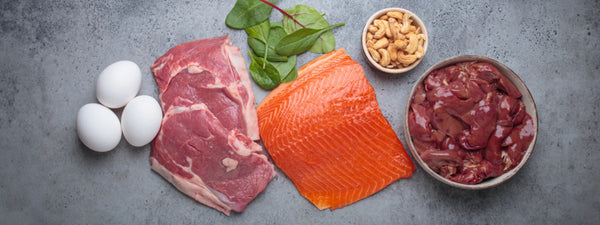
Focus on whole foods: lean proteins, fibrous vegetables, slow-digesting carbohydrates, and healthy fats. Protein is especially powerful here. It increases satiety hormones, preserves muscle mass during fat loss, and has the highest thermic effect of any macronutrient, meaning your body burns more calories just digesting it (NIH).
Protein powders are an easy, clean way to hit your daily protein targets without adding excess calories. If you're plant-based, plant protein, pea, brown rice, hemp works beautifully and comes with added fibre. For faster absorption post-workout, whey isolate is one of the most studied, bioavailable protein sources available.
2. Move in Ways You'll Actually Stick To
Exercise for obesity treatment doesn't mean grinding on a treadmill. Daily Habits Can Reverse Obesity when movement is varied and enjoyable. Strength training is particularly effective; it builds metabolically active muscle tissue that burns calories at rest. Add 8,000–10,000 steps daily and two to three resistance sessions per week and you have a genuinely transformative foundation.
3. Hydration Is Underrated
Dehydration mimics hunger. Most people are mildly dehydrated throughout the day, which drives unnecessary snacking. Drink 2.5–3 litres of water daily, start every morning with a full glass before caffeine, and watch how appetite and energy shift.
4. Sleep Is a Weight Loss Tool
Seven to nine hours of quality sleep regulates leptin (your fullness hormone) and ghrelin (your hunger hormone). When sleep suffers, hunger increases, cravings skew towards sugar and fat, and the body holds onto weight more aggressively. Treat sleep as a non-negotiable part of your protocol.
The Role of Targeted Support
Sometimes the body needs a little extra nudge, particularly when insulin resistance, sluggish metabolism, or stubborn fat storage are at play.
Berberine capsules have become one of the most talked-about metabolic support tools in wellness circles, and for good reason. Berberine activates AMPK (often called the "metabolic master switch"), supporting blood sugar regulation and improving insulin sensitivity, two factors central to obesity treatment and long-term weight management (NIH).
Fat Burner Capsules formulated with thermogenic ingredients like green tea extract, black pepper extract, and L-carnitine can support the body's natural fat oxidation process, especially when paired with consistent movement and a protein-rich diet. They work best not as a shortcut, but as a supporting player in a well-structured routine (NIH).

Key Takeaways
-
Obesity reversal is scientifically supported and achievable with consistent lifestyle change
-
The causes of obesity are multifactorial: hormonal, environmental, behavioural, not just about overeating
-
Healthy eating habits built around protein, whole foods, and reduced ultra-processing are the core of any effective plan
-
Daily Habits Can Reverse Obesity, sleep, hydration, movement, and stress management are as important as diet
-
Berberine capsules, Fat Burner Capsules, and quality protein (whether whey isolate or plant protein) can meaningfully support your journey when used consistently
-
Weight management is a long game, sustainability always beats intensity
-
You don't need a perfect plan; you need a consistent one
Conclusion
Obesity is not a life sentence. It's a condition and like most chronic conditions, it responds to the right inputs delivered consistently over time. The body wants to heal. It wants balance. Your job is to stop fighting it and start working with it.
Start with one meal. One walk. One good night of sleep. Then another. Obesity management is built in ordinary moments, not extraordinary ones. The reversal begins the moment you decide the current state is not permanent.
Because it isn't.
FAQs
1. Is obesity truly reversible, or just manageable?
True reversal is possible. Studies show that sustained weight loss of 10–15% of body weight can normalise blood sugar, reduce inflammation, and reverse metabolic syndrome in many people (NIH).
2. What is the normal BMI range?
A normal BMI range is 18.5 to 24.9. Overweight is 25–29.9, and obesity begins at 30.
3. How long does it take to reverse obesity?
Meaningful metabolic improvements can begin within 8–12 weeks of consistent change. Significant obesity reversal in terms of weight and health markers typically takes 6–24 months depending on starting point.
4. What are the main causes of obesity?
The causes of obesity include poor diet quality, insulin resistance, chronic stress, sleep deprivation, gut dysbiosis, hormonal imbalances, and genetic predisposition often in combination.
5. Can exercise alone reverse obesity?
Exercise is essential but rarely sufficient alone. Nutrition has the largest impact, with movement, sleep, and stress management playing equally critical supporting roles.
6. Are fat burner capsules safe?
High-quality Fat Burner Capsules with clinically studied ingredients are generally safe for healthy adults. Always choose reputable brands with transparent formulations and consult a healthcare provider if you have underlying conditions.
7. What role does protein play in weight loss?
Protein increases satiety, preserves muscle mass, and has a high thermic effect. Using protein powders or whey isolate to hit daily targets (1.6–2.2g per kg of body weight) is one of the most effective weight loss tips supported by research.
8. What is berberine and how does it help?
Berberine capsules contain a plant-derived compound that activates AMPK, improving insulin sensitivity, supporting blood sugar balance, and aiding in fat metabolism all key factors in obesity treatment.
9. What are the types of obesity?
The main types of obesity include metabolic obesity (insulin-driven), stress-induced obesity (cortisol-driven, often visceral), and lifestyle obesity. Each benefit from slightly different targeted approaches.
10. What's the most sustainable approach to weight management?
Sustainable weight management is built on consistent healthy eating habits, regular movement you enjoy, quality sleep, adequate hydration, and targeted support where needed. It's a lifestyle, not a phase.

Recommended Products
 Liposomal Berberine HCL+
₹1,529 – ₹3,058
Liposomal Berberine HCL+
₹1,529 – ₹3,058
 Burn Slow
₹1,189 – ₹2,378
Burn Slow
₹1,189 – ₹2,378
 Vegan Protein 22g | 500g | 3B CFU Probiotics | Belgian Dark Chocolate
₹1,709 – ₹3,238
Vegan Protein 22g | 500g | 3B CFU Probiotics | Belgian Dark Chocolate
₹1,709 – ₹3,238
 Vegan Protein 22g | 500g | 3B CFU Probiotics | Canadian Mixed Berry
₹1,709 – ₹3,238
Vegan Protein 22g | 500g | 3B CFU Probiotics | Canadian Mixed Berry
₹1,709 – ₹3,238
 Vegan Protein 22g | 500g | 3B CFU Probiotics | Dark Chocolate Hazelnut
₹1,709 – ₹3,238
Vegan Protein 22g | 500g | 3B CFU Probiotics | Dark Chocolate Hazelnut
₹1,709 – ₹3,238
 Plant Protein 22g | 500g | 3B CFU Probiotics | French Vanilla Caramel
₹1,709 – ₹3,238
Plant Protein 22g | 500g | 3B CFU Probiotics | French Vanilla Caramel
₹1,709 – ₹3,238