Master Clean Nutrition: Weight Loss Step Guide
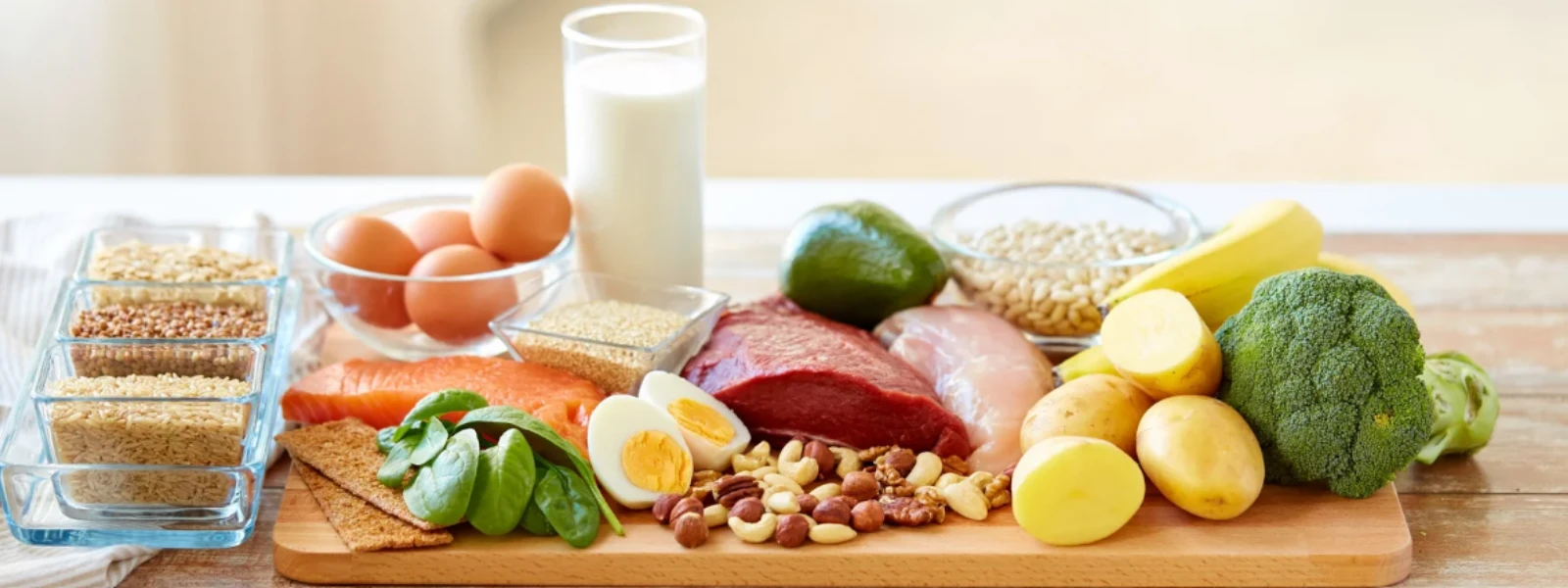


Clean nutrition has become a cornerstone of sustainable weight management, offering a science-backed approach that goes beyond quick fixes. Unlike restrictive dieting, clean nutrition focuses on nourishing your body with whole, minimally processed foods that naturally support healthy weight loss. This comprehensive guide will walk you through proven strategies, meal planning techniques, and metabolism-boosting foods that create lasting results. You'll learn how to build a sustainable eating framework that supports both your weight loss goals and overall health, without the need for extreme restrictions or complicated calorie counting.
Clean nutrition for weight loss centers on consuming foods in their most natural state while minimizing processed options. This approach works by reducing inflammation, stabilizing blood sugar levels, and providing your body with essential nutrients needed for optimal metabolic function. Research shows that clean eating patterns can lead to more sustainable weight loss compared to restrictive dieting methods.
The foundation of clean eating weight loss lies in choosing whole foods over processed alternatives. These foods are naturally lower in calories, higher in nutrients, and more satisfying. When you eat clean, you're providing your body with the building blocks it needs to function efficiently, which naturally supports healthy weight management.
Clean nutrition supports weight loss through several mechanisms. Whole foods require more energy to digest, creating a thermic effect that boosts your metabolism. Additionally, clean foods help regulate hormones like insulin and leptin, which play crucial roles in hunger and satiety signals. This natural regulation makes it easier to maintain a healthy weight without constant willpower.
Studies indicate that people following clean eating patterns tend to have better metabolic markers, including improved insulin sensitivity and more stable blood sugar levels. These factors contribute to more efficient fat burning and reduced cravings for processed foods.
The best foods for weight loss are those that provide maximum nutrition while supporting your body's natural fat-burning processes. These foods work synergistically to boost metabolism, increase satiety, and provide sustained energy throughout the day.
Lean proteins form the backbone of any effective weight loss nutrition plan. Foods like wild-caught fish, organic poultry, eggs, and plant-based proteins require significant energy to digest and help preserve muscle mass during weight loss. Protein also triggers the release of hormones that promote satiety, naturally reducing overall calorie intake.
High-quality protein sources provide essential amino acids that support muscle maintenance and repair. This is particularly important during weight loss, as preserving muscle mass helps maintain a higher metabolic rate.
Non-starchy vegetables and low-sugar fruits are foods that boost metabolism while providing essential vitamins and minerals. Leafy greens, cruciferous vegetables, and colorful produce are packed with fiber, which promotes satiety and supports healthy digestion. These foods are naturally low in calories but high in volume, allowing you to feel full while maintaining a caloric deficit.
The fiber in these foods also helps stabilize blood sugar levels and feeds beneficial gut bacteria, which research suggests may play a role in weight management and overall health.
Did You Know?
Eating just one cup of leafy greens daily can increase your metabolic rate by up to 11% due to their high content of nitrates, which improve cellular energy production.
Contrary to outdated beliefs, healthy fats are essential for weight loss. Sources like avocados, nuts, seeds, and olive oil support hormone production, enhance nutrient absorption, and provide lasting satiety. These fats help you feel satisfied after meals, reducing the likelihood of overeating or snacking on processed foods.
Omega-3 fatty acids, found in fatty fish and flaxseeds, have anti-inflammatory properties that may support healthy weight management by improving insulin sensitivity and reducing inflammation-related weight gain.
Developing an effective weight loss meal plan requires strategic planning that balances nutrition, convenience, and sustainability. The key is creating a framework that supports your goals while fitting into your lifestyle.
Start by focusing on whole foods and eliminating obvious processed options. Build each meal around a lean protein source, add plenty of non-starchy vegetables, include a moderate portion of healthy fats, and choose complex carbohydrates when needed. This phase is about establishing new habits rather than perfection.
During this initial phase, focus on meal timing that works with your schedule. Eating regular meals helps maintain stable blood sugar levels and prevents the extreme hunger that often leads to poor food choices.
Once you've established basic clean eating habits, begin fine-tuning your approach. Pay attention to how different foods affect your energy levels, hunger, and cravings. Some people thrive with three larger meals, while others prefer smaller, more frequent meals. Find what works best for your body and lifestyle.
This phase is also ideal for experimenting with meal prep strategies. Preparing clean diet recipes in advance ensures you always have healthy options available, reducing the temptation to choose processed convenience foods.
Practical, delicious recipes make clean eating sustainable and enjoyable. These meal ideas demonstrate how healthy eating for weight loss can be both satisfying and flavorful.
Start your day with protein-rich options like vegetable omelets with herbs, Greek yogurt parfaits with berries and nuts, or smoothies made with leafy greens and plant-based protein. These breakfast choices provide sustained energy and help control hunger throughout the morning.
Avoid processed breakfast foods that cause blood sugar spikes and crashes. Instead, focus on combinations that provide protein, healthy fats, and fiber to keep you satisfied until your next meal.
Build meals around lean proteins like grilled chicken, baked fish, or legumes. Pair these with roasted vegetables, fresh salads, or steamed greens. Add healthy fats through avocado, olive oil, or nuts to enhance flavor and satiety.
Experiment with herbs and spices to keep meals interesting without relying on processed sauces or seasonings. Fresh herbs, garlic, ginger, and citrus can transform simple ingredients into flavorful, satisfying meals.
Sustainable weight loss requires supporting your body's natural metabolic processes through consistent nutrition practices. This goes beyond just choosing the right foods to include timing, hydration, and lifestyle factors that influence how efficiently your body burns calories.
While the timing of meals isn't as critical as food quality, eating at regular intervals can help maintain stable energy levels and support healthy weight management. Some people benefit from eating larger meals earlier in the day when metabolism tends to be higher, while others prefer consistent meal sizes throughout the day.
The key is finding a pattern that supports your energy needs, workout schedule, and lifestyle preferences. Consistency in timing can help regulate hunger hormones and improve sleep quality, both of which influence weight management.
Proper hydration plays a crucial role in metabolism and weight loss. Water supports every cellular function in your body, including those involved in fat metabolism. Drinking water before meals can also promote satiety, naturally reducing calorie intake.
Choose water as your primary beverage and limit sugary drinks, even those marketed as "healthy." Herbal teas and water infused with fresh fruits or herbs provide variety without added calories or artificial ingredients.
Implementing clean nutrition in real life comes with practical challenges that require strategic solutions. Addressing these obstacles proactively increases your chances of long-term success.
Eating clean doesn't mean avoiding social situations. When dining out, focus on grilled or baked proteins, request vegetables instead of refined starches, and ask for dressings and sauces on the side. Most restaurants can accommodate simple modifications that align with clean eating principles.
At social gatherings, offer to bring a healthy dish that you know fits your eating plan. This ensures you have at least one good option while contributing to the event.
Clean eating doesn't have to be expensive. Focus on affordable whole foods like eggs, canned fish, frozen vegetables, and seasonal produce. Buying in bulk, meal planning, and cooking at home significantly reduce costs while improving nutrition quality.
Frozen fruits and vegetables are often more affordable than fresh options and retain their nutritional value. They're also convenient for meal prep and reduce food waste.
Most people notice increased energy and reduced bloating within the first week of clean eating. Measurable weight loss typically begins within 2-3 weeks, with sustainable results becoming apparent after 4-6 weeks of consistent practice. The timeline varies based on individual factors like starting weight, activity level, and adherence to clean eating principles.
Clean nutrition is highly adaptable to various dietary needs. Whether you're vegetarian, have food allergies, or follow specific dietary protocols, the principles of choosing whole, minimally processed foods remain the same. Focus on the foods you can eat rather than restrictions, and work with a healthcare provider if you have specific medical dietary needs.
Clean nutrition emphasizes food quality over strict calorie counting or macronutrient ratios. Unlike restrictive diets that eliminate entire food groups, clean eating focuses on choosing the highest quality versions of all food groups. This approach is more sustainable because it doesn't rely on willpower alone but rather on nourishing your body properly.
Long-term success comes from making clean eating a lifestyle rather than a temporary diet. Focus on building sustainable habits, allowing for flexibility in social situations, and viewing clean nutrition as self-care rather than restriction. Regular meal planning, staying hydrated, and maintaining consistent sleep patterns all support long-term weight management.
Clean nutrition is excellent for active individuals because it provides high-quality fuel for performance and recovery. Athletes may need to adjust portion sizes and timing to meet higher energy demands, but the foundation of whole foods remains beneficial. Focus on adequate protein intake and strategic carbohydrate timing around workouts for optimal performance.
Clean nutrition for weight loss offers a sustainable, science-backed approach to achieving and maintaining a healthy weight. By focusing on whole foods, strategic meal planning, and supporting your body's natural metabolic processes, you can create lasting results without extreme restrictions. The key lies in consistency, patience, and viewing clean eating as a long-term lifestyle choice rather than a temporary fix. Remember that sustainable weight loss is a gradual process that supports your overall health and well-being. As you implement these strategies, pay attention to how your body responds and adjust your approach as needed to create a personalized plan that works for your unique lifestyle and goals.




Someone sent you
Powered by ReferRush


