Multivitamin Tablets for Women: A Step-by-Step Guide
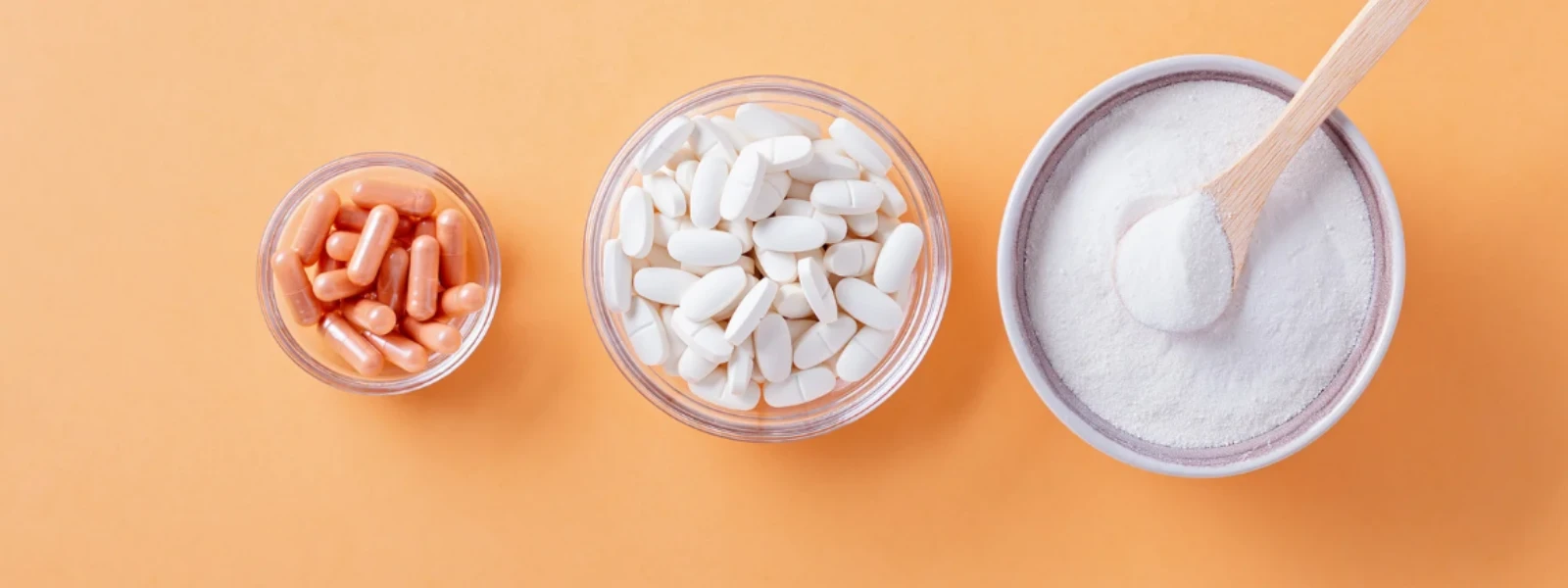


Women's nutritional needs are unique and complex, changing throughout different life stages from adolescence to menopause. Despite efforts to maintain a balanced diet, many women face nutritional gaps that can impact their energy levels, hormonal balance, and overall health. Multivitamin tablets for women serve as a practical solution to bridge these gaps, providing essential nutrients in convenient, scientifically formulated doses.
This comprehensive guide will walk you through everything you need to know about choosing and using multivitamin supplements effectively. You'll learn about the specific vitamins women need most, how to identify quality products, and the proper way to incorporate these supplements into your daily routine for maximum benefit.
Women require different amounts of certain nutrients compared to men due to biological differences, hormonal fluctuations, and life stage requirements. Research published in the Journal of Nutrition shows that women are more likely to experience deficiencies in iron, calcium, Vitamin D, and folate.
Iron deficiency affects approximately 12% of women aged 12-49 years, according to the National Health and Nutrition Examination Survey. This occurs due to monthly menstrual cycles, which increase iron requirements significantly. Women need 18mg of iron daily compared to just 8mg for men.
Calcium and Vitamin D deficiencies are also prevalent, particularly concerning given that women have a higher risk of developing osteoporosis later in life. The body's ability to absorb calcium decreases with age, making adequate intake crucial from early adulthood.
Stress, processed foods, and busy schedules can impact how well your body absorbs nutrients from food. Chronic stress increases cortisol levels, which can interfere with the absorption of key vitamins and minerals. Additionally, soil depletion has reduced the nutrient content of many foods over the past decades.
Women's daily multivitamin supplements help ensure consistent nutrient intake regardless of dietary variations or lifestyle challenges.
Understanding which nutrients are most important helps you make informed decisions about multivitamin supplements for women's health.
Iron plays a crucial role in oxygen transport throughout the body. When iron levels are low, you may experience fatigue, weakness, and difficulty concentrating. The best multivitamins for female energy contain chelated iron, which is gentler on the stomach and better absorbed than traditional iron forms.
B-complex vitamins, including B12, B6, and folate, support energy metabolism at the cellular level. These vitamins help convert food into usable energy and support red blood cell formation.
Women reach peak bone mass around age 30, after which bone density gradually decreases. Adequate calcium intake (1000-1200mg daily) combined with Vitamin D3 (600-800 IU) helps maintain bone strength and reduces fracture risk.
Vitamin D also supports immune function and mood regulation, which is particularly important during darker months when sun exposure is limited.
Folate (Vitamin B9) is essential for DNA synthesis and cell division. Women of childbearing age need 400-800mcg daily to support reproductive health and prevent neural tube defects in case of pregnancy.
Did You Know?
Superior ingredients, highly absorbable formats, and palatable flavors make the difference between a multivitamin that works and one that simply passes through your system. Look for chelated minerals and active vitamin forms for optimal absorption.
Not all multivitamins are created equal. The quality of ingredients, absorption rates, and formulation methods vary significantly between products.
High-quality nutritional supplements for women should contain nutrients in their most bioavailable forms. For example, look for methylfolate instead of folic acid, and Vitamin D3 rather than D2.
Third-party testing ensures purity and potency. Reputable manufacturers test their products for heavy metals, contaminants, and verify that the actual nutrient content matches the label claims.
Hormonal balance supplements for women may include additional nutrients like magnesium, which supports over 300 enzymatic reactions in the body and helps regulate stress hormones. Some formulations also include adaptogenic herbs that support the body's stress response.
For women focused on weight management, vitamins for weight management women often include chromium and green tea extract to support healthy metabolism alongside essential vitamins and minerals.
Proper timing and method of taking your multivitamin can significantly impact its effectiveness.
Take your multivitamin with breakfast or lunch rather than on an empty stomach. Fat-soluble vitamins (A, D, E, K) require dietary fat for proper absorption. Having your supplement with a meal that contains some healthy fats improves absorption rates.
Calcium can interfere with iron absorption, so if you're taking additional calcium supplements, space them at least two hours apart from your multivitamin. Coffee and tea can also reduce iron absorption, so avoid taking your supplement with these beverages.
Take your multivitamin for metabolism support at the same time each day to establish a routine. This helps ensure consistent nutrient levels in your body and makes it easier to remember.
Women who exercise regularly have increased nutritional needs due to higher energy expenditure and nutrient losses through sweat.
Active women may need additional B-vitamins for energy metabolism and antioxidants like Vitamin C and E to combat exercise-induced oxidative stress. Iron and Vitamin D for women who exercise are particularly important, as intense training can increase iron needs and Vitamin D supports muscle function.
A quality multivitamin for active women should include magnesium for muscle function and recovery, along with adequate protein-supporting nutrients like B6 and zinc.
Yes, daily multivitamin use is generally safe and beneficial for most women. Consistent daily intake helps maintain steady nutrient levels in your body. However, consult with a healthcare provider if you have specific health conditions or take medications that might interact with certain vitamins.
While a balanced diet should be your primary source of nutrients, modern food production and lifestyle factors make it challenging to meet all nutritional needs through food alone. Multivitamins serve as nutritional insurance to fill potential gaps in your diet.
Some people notice increased energy within a few weeks, while other benefits like improved hair and nail health may take 2-3 months to become apparent. Nutrient deficiency correction varies based on your initial levels and individual absorption rates.
Most people tolerate multivitamins well when taken as directed. Mild stomach upset can occur if taken on an empty stomach. If you experience persistent nausea, headaches, or other concerning symptoms, discontinue use and consult a healthcare provider.
Look for products that use superior ingredients in highly absorbable formats with palatable flavors. Check for third-party testing, appropriate dosages for your age group, and avoid products with unnecessary fillers or artificial additives.
Choosing the right multivitamin tablets for women involves understanding your unique nutritional needs, selecting quality products with superior ingredients and highly absorbable formats, and taking them consistently for optimal benefits. Remember that multivitamins are meant to supplement, not replace, a healthy diet rich in whole foods. By following this step-by-step guide, you can make informed decisions about incorporating multivitamins into your wellness routine. Consider exploring comprehensive nutritional solutions that prioritize quality ingredients and scientific formulation to support your health goals effectively.




Someone sent you


