Mornings set the tone for the entire day. That first cup of coffee isn’t just a drink; it’s a ritual. It wakes you up, sharpens your focus, and signals your body that it’s time to get moving. But what if your morning cup could do more than just wake you up?
Enter matcha coffee, the ultimate fusion that takes your regular caffeine fix and transforms it into a nutrient-rich, sustained-energy experience.
What Is Matcha Coffee?

Matcha coffee is the perfect marriage between traditional coffee and matcha powder, finely ground from shade-grown green tea leaves. While coffee delivers an immediate caffeine boost, matcha provides a smoother, more sustained lift. The result? A drink that energizes, keeps you alert, and supports overall wellness without the mid-morning crash.
To truly appreciate this synergy, it helps to understand why matcha has earned its superfood status.
Matcha: More Than Just Green Tea
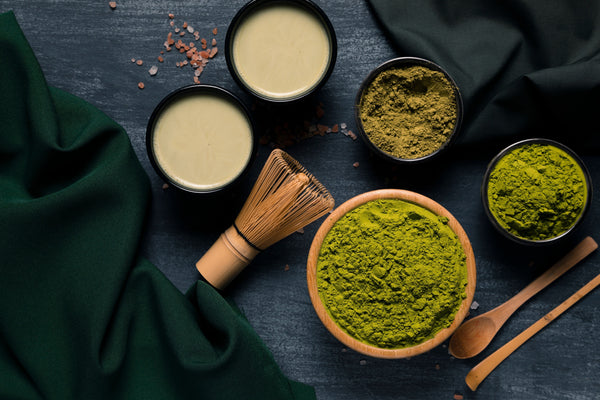
Matcha is made of whole tea leaves that are harvested, steamed, dried, and ground into a vibrant green powder. Unlike regular green tea, where leaves are steeped and discarded, drinking matcha means consuming the entire leaf. That’s why matcha health benefits are so concentrated.
Some standout matcha benefits include:
-
Sustained energy: Matcha has caffeine, but it’s paired with L-theanine, an amino acid that promotes calm focus. The combination gives you alertness without jitters.
-
Powerful antioxidants: Catechins like EGCG in matcha help combat oxidative stress and support cellular health.
-
Mental clarity: L-theanine promotes alpha brain wave activity, improving focus, memory, and creativity.
-
Detoxification: The chlorophyll in matcha made of young leaves aids natural detox, helping your body eliminate toxins efficiently.
With all these benefits, it’s clear why matcha powder has become a wellness favorite.
Coffee: The Classic Wake-Up Call

Coffee is timeless. Beyond its energizing caffeine content, coffee contains antioxidants and bioactive compounds that support heart health, brain function, and physical performance. The only downside? That quick spike of energy can sometimes lead to a sharp crash. That’s where matcha comes in to smooth the ride.
Why Matcha Coffee Works

Combining coffee and matcha creates a beverage that goes beyond a regular cup of coffee. Here’s why it works:
-
Balanced caffeine release: Coffee gives a fast lift, while matcha provides slow-release caffeine. Together, they deliver sustained energy.
-
Enhanced focus: L-theanine in matcha balances coffee’s stimulation, keeping your mind clear and calm.
-
Nutritional boost: Antioxidants, amino acids, and chlorophyll from matcha complement coffee, turning a regular drink into a functional beverage.
-
Flavor depth: Matcha flavor—earthy, subtly sweet, and vibrant that blends seamlessly with coffee’s roasted richness, creating a complex, satisfying taste.
How to Make Matcha Coffee
If you’ve ever wondered matcha how to make coffee at home, it’s simpler than it sounds. Here’s an easy matcha drink recipe to try:
Ingredients:
-
1 tsp matcha powder
-
½ cup hot water (not boiling)
-
½ cup brewed coffee
-
Milk or plant-based milk (optional)
-
Sweetener like honey or maple syrup (optional)
Method:
-
Sift matcha powder into a bowl to remove clumps.
-
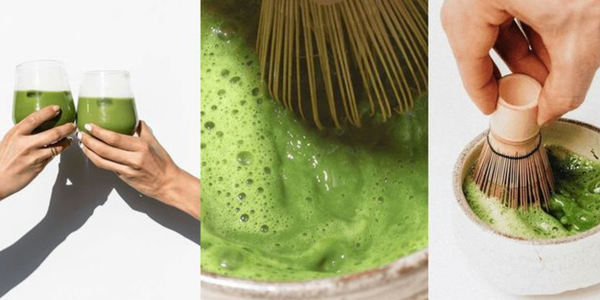
Whisk with hot water using a bamboo whisk or frother until smooth and frothy.
-
Brew your coffee separately.
-
Pour the matcha mixture into the coffee.
-
Add milk and sweetener if desired, stir gently, and enjoy.
The result is a creamy, energizing beverage that combines the best of both worlds: coffee’s boldness and matcha’s earthy vibrance.
Matcha Coffee Variations

There’s plenty of room to experiment with matcha drink recipes:
-
Iced Matcha Coffee: Chill brewed coffee and matcha, add ice, and enjoy a refreshing pick-me-up.
-
Vanilla Matcha Latte: Blend steamed milk and vanilla extract for a smooth café-style treat.
-
Cinnamon Matcha Coffee: Sprinkle cinnamon on top for an antioxidant-rich, aromatic twist.
Matcha Side Effects: What You Should Know
While matcha health benefits are impressive, moderation is key. Matcha has caffeine, so excessive intake may cause headaches, insomnia, or digestive discomfort in sensitive individuals. Other matcha side effects are rare but can include mild stomach upset or allergies. Starting small allows your body to adjust while still enjoying all the benefits.
The Takeaway: Upgrade Your Morning
Coffee wakes you up, matcha nourishes and sustains. Together, they form a morning ritual that energizes, focuses, and supports your well-being. The matcha ingredients—chlorophyll, catechins, L-theanine—complement coffee, enhancing energy without the crash.
If your morning routine feels routine, a cup of matcha coffee can elevate it. Whisk, sip, and enjoy the layered flavors while your body benefits from antioxidants, balanced caffeine, and calm alertness. Once you try it, it’s hard to go back to coffee alone.
Whether you’re a coffee purist or a matcha enthusiast, this fusion is the perfect morning upgrade: a simple, elegant way to fuel your day with sustained energy and wellness.
FAQs
1. What are the main matcha health benefits?
Matcha health benefits include sustained energy, improved focus, antioxidant support, detoxification, and enhanced mood. Its combination of caffeine and L-theanine makes it ideal for a calm, alert boost.
2. Does matcha have caffeine?
Yes, matcha has caffeine, but it’s released slowly due to L-theanine. This ensures long-lasting energy without the jitters typically associated with coffee.
3. How is matcha made?
Matcha is made of shade-grown green tea leaves that are harvested, steamed, dried, and ground into a fine powder. Consuming the whole leaf gives matcha its concentrated nutrients and antioxidants.
4. What ingredients are in matcha coffee?
Matcha coffee combines brewed coffee with matcha powder, hot water, and optionally milk or sweeteners. This blend offers a smooth caffeine boost with the matcha benefits of antioxidants and L-theanine.
5. How do I make matcha coffee at home?
To make matcha coffee, whisk 1 tsp matcha powder with hot water until frothy, then mix with freshly brewed coffee. Add milk or sweetener if desired. This easy matcha drink recipe delivers energy and rich flavor.
6. What does matcha taste like?
Matcha flavor is earthy, slightly sweet, and vegetal, complementing the bold roasted notes of coffee. This makes matcha coffee a layered, indulgent morning beverage.
7. Are there any matcha side effects?
While matcha health benefits are significant, overconsumption may cause mild headaches, insomnia, or digestive discomfort due to matcha’s caffeine content. Start with small amounts to enjoy its benefits safely.