Vaping was meant to be the “safer” alternative, but for many, it’s become the new cycle of dependence.
A puff when stressed. Another when bored. Before long, nicotine becomes part of your rhythm.
Quitting sounds simple, but the body tells a different story. Withdrawal, irritability, brain fog, restless energy, and that craving for just one more hit.
That’s why more people are exploring nutritional support that works deeper than willpower, supplements that target what nicotine disrupts at a cellular level.
One such compound catching attention in both clinical research and wellness circles is N-acetylcysteine (NAC).
But can an NAC supplement help quit vaping? Let’s break it down.
What Is N-acetylcysteine (NAC)?

To understand what N-acetylcysteine is, think of it as your body’s biochemical repair molecule. NAC is a derivative of the amino acid cysteine and acts as a precursor to glutathione, the body’s master antioxidant.
In simpler terms, it’s the molecule that helps your cells clean up oxidative stress, neutralize toxins, and restore balance.
Clinically, NAC isn’t new. It’s been used in hospitals for decades, particularly N acetylcysteine is used in paracetamol poisoning, because it helps the liver replenish glutathione and prevent severe damage (NIH). It’s also prescribed as a mucolytic agent to clear the airways in chronic lung conditions like COPD.
Beyond medicine, research has expanded NAC’s potential in areas like brain health, metabolism, and mental wellbeing. Trials show benefits across diverse conditions:
-
Oxidative stress markers: Down by up to 72% after 16 weeks (NIH).
-
Lung function: 11% improvement in airflow at 16 weeks in COPD patients (NIH).
-
Compulsive behaviors: Reduced by 38.3% in clinical trials (NIH).
-
Inflammation (hs-CRP): Dropped by over 54% (NIH).
So, what NAC is used for extends far beyond detox, it’s about protecting, restoring, and rebalancing the body from within.
How NAC Supplement Help Quit Vaping?
Here’s where it gets interesting.
Vaping doesn’t just introduce nicotine, it alters neurotransmitters, triggers oxidative stress in the lungs, and interferes with glutamate signalling in the brain’s reward system.
That means the craving loop isn’t just psychological. It’s biochemical.
NAC works on the very pathways:
1. Balances the brain’s reward system
Vaping overstimulates the brain’s glutamate and dopamine pathways, the same circuits tied to addiction and compulsive behavior. N-acetylcysteine (NAC) helps regulate glutamate signaling, allowing dopamine to stabilize instead of spiking and crashing. This steadying effect can reduce the intensity of cravings and make it easier to break the habit loop over time (NIH).
2. Rebuilds your body’s master antioxidant defense
Each puff of vapor generates reactive oxygen species that deplete glutathione, the body’s key antioxidant. NAC acts as a direct precursor to glutathione, helping cells restore their antioxidant reserves. This protects tissues from oxidative damage and supports faster cellular recovery from the stress of nicotine and aerosol exposure (NIH).
3. Clears and heals the lungs
Originally used as a lung detox agent, NAC helps thin and loosen mucus, making it easier for your airways to clear out buildup. For someone quitting vaping, this supports the lungs’ natural self-cleaning process. Over time, it can improve breathing comfort, oxygen flow, and overall respiratory resilience (NIH).
4. Calms inflammation triggered by nicotine
Nicotine and vape chemicals can elevate inflammatory markers like IL-6 and TNF-α, which strain both your immune and cardiovascular systems. NAC has been shown to reduce these inflammatory cytokines by restoring redox balance and modulating immune response. The result, calmer, less reactive cells and a smoother recovery phase while quitting (NIH).
In one study, participants using NAC alongside smoking cessation therapy saw a 47% quit rate compared to 21% with placebo (NIH). Another showed NAC improved lung function by 4.6% (NIH).
When paired with Glycine, the results get stronger. Together, NAC and Glycine form GlyNAC, a combination shown to:
-
Increase glutathione by 164% (NIH),
-
Improve mitochondrial ATP production by 83% (NIH),
-
Lower DNA oxidative damage by up to 73% (NIH),
So, when you see NAC and Glycine together, you’re looking at a clinically studied pair that helps your body regenerate energy, restore antioxidant balance, and reduce cellular fatigue, all essential for recovery after nicotine withdrawal.
In essence, NAC doesn’t just help you quit vaping, it helps your cells feel normal again.
When To Take N-acetylcysteine

When quitting vaping, consistency matters more than timing. Still, here’s how to use NAC effectively:
-
Typical dose range: 1,200–2,400 mg per day (split into two doses).
-
Timing: NAC supplement can be taken Morning or Night, but many prefer morning + evening for steady antioxidant support throughout the day.
-
NAC when to take: Ideally on an empty stomach or 1 hour before meals for best absorption.
-
If you’re sensitive to nausea, take it with food.
-
Pairing with Glycine helps improve utilization and may enhance calming neurotransmission at night.
Clinical research in fatigue, cognitive function, and oxidative stress suggests that 12–24 weeks of regular NAC use produces measurable improvements in glutathione and cellular health.
Bottom line
Let’s be real, there’s no supplement that replaces mindset and discipline.
But when your brain and body are under stress from quitting, giving them biochemical support can make the difference between relapse and recovery.
That’s where Wellbeing Nutrition NAC + Glycine comes in.
This advanced formulation combines pharmaceutical-grade NAC with bioavailable Glycine to mimic the clinically proven GlyNAC ratio. Together, they help:
-
Replenish glutathione, your body’s master antioxidant.
-
Support lung detox and tissue recovery from vaping exposure.
-
Regulate neurotransmitters linked to craving and mood swings.
-
Boost mitochondrial energy and reduce fatigue associated with nicotine withdrawal.
Unlike synthetic “detox” blends, Wellbeing Nutrition NAC + Glycine works at a cellular level, supporting the systems vaping depletes the most: your lungs, brain, and mitochondria.
Integrating it into your quit plan:
-
Start by setting a quit date and identify triggers.
-
Add NAC + Glycine supplementation as your biochemical support.
-
Continue behavioral strategies (therapy, accountability, hydration, sleep).
-
Track your progress; improved energy, easier breathing, and reduced cravings are signs your system is rebalancing.
This isn’t a solo fix, it’s a cellular ally while you rebuild control.
Conclusion
Quitting vaping is one of the most powerful things you can do for your health and your cells feel that change first.
Nicotine disrupts the body’s natural antioxidant systems and brain chemistry. Supporting those same systems through NAC and Glycine can ease the transition, restore equilibrium, and protect against the oxidative stress that vaping leaves behind.
Clinical evidence is promising, from a 164% rise in glutathione (NIH) to 54% lower inflammation markers (NIH), NAC is more than just a supplement, it’s a science-backed molecule helping your body find its rhythm again.
If you’re on the path to quit, talk to your healthcare provider about incorporating Wellbeing Nutrition NAC + Glycine into your plan. Think of it not as a crutch, but as reinforcement, supporting your cells, your focus, and your willpower from within.
Your lungs, your brain, and your future self will thank you.
FAQs
1. Can NAC help you quit vaping?
NAC may support the quitting process by regulating glutamate in the brain, reducing cravings, lowering inflammation, and restoring antioxidant levels depleted by vaping. While it is not a standalone cure, studies suggest that NAC can be an effective adjunct to a structured quit plan.
2. How does NAC work for vaping addiction?
NAC supports the brain and lungs on a cellular level. It stabilizes dopamine and glutamate pathways involved in reward-seeking, replenishes glutathione to repair oxidative damage, and promotes lung detox and mucus clearance. These combined effects may reduce withdrawal intensity during vaping cessation.
3. When should I take NAC if I’m trying to quit vaping?
Most people split their dose into morning and evening for consistent support. Taking NAC on an empty stomach improves absorption, though those sensitive to nausea may take it with food. Always consult a healthcare provider before starting supplementation.
4. Is NAC safe to take daily?
NAC is generally considered safe for daily use when taken within recommended doses. Mild nausea or digestive discomfort can occur in some individuals. People on blood thinners, asthma medications, or with chronic conditions should seek medical advice before using NAC.
5. What is the best NAC dosage for vaping withdrawal?
Research on addiction and compulsive behaviors typically uses 1,200 to 2,400 mg per day, split into two doses. The ideal dosage varies, so it’s best to start low, increase gradually, and consult a healthcare professional for personalized guidance.
6. Can NAC improve lung health after quitting vaping?
Yes. NAC has been clinically shown to support lung function by thinning mucus, improving airway clearance, and replenishing antioxidant levels in respiratory cells. Studies report meaningful improvements in airflow and reduced respiratory inflammation over time.
7. Is NAC more effective when combined with Glycine?
Absolutely. NAC paired with Glycine forms the clinically researched GlyNAC combination, shown to increase glutathione more effectively, enhance mitochondrial energy, and reduce oxidative stress. This synergy makes Wellbeing Nutrition NAC + Glycine a powerful option for those recovering from the cellular impact of vaping.

Recommended Products
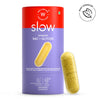 Slow Advanced N-Acetyl-Cysteine + Glycine Capsules
₹1,357 – ₹2,658
Slow Advanced N-Acetyl-Cysteine + Glycine Capsules
₹1,357 – ₹2,658