Your liver doesn’t rest, not even for a moment.
It filters, neutralizes, transforms, and regenerates every single day.
But modern life? It asks too much of it.
Between long work hours, late dinners, the occasional drink, and endless stress, your liver quietly handles more toxins and oxidative stress than ever before. Over time, this “silent overload” begins to show up subtly, morning fatigue, bloating, dull skin, poor digestion, or just feeling sluggish even after a “healthy” weekend.
You might not notice it right away. But your liver does.
The Hidden Cost of a Busy Lifestyle
Our bodies were never designed for constant multitasking, polluted air, and food on the go.
Every chai-samosa meeting, late-night binge, or city commute adds invisible stress to liver cells.
Here’s how that stress builds up:
-
Processed food and sugar generate free radicals in the liver.
-
Alcohol and late nights reduce antioxidant defenses.
-
Air pollution and chemical exposure increase toxin load.
-
Sedentary hours slow down detox pathways and fat metabolism.
Slowly, the liver’s natural antioxidant reserves, particularly glutathione, begin to deplete. And that’s when you might start feeling the signs of imbalance.
Glutathione: The Liver’s Cellular Shield

Glutathione (GSH) is often called the body’s master antioxidant, and for good reason.
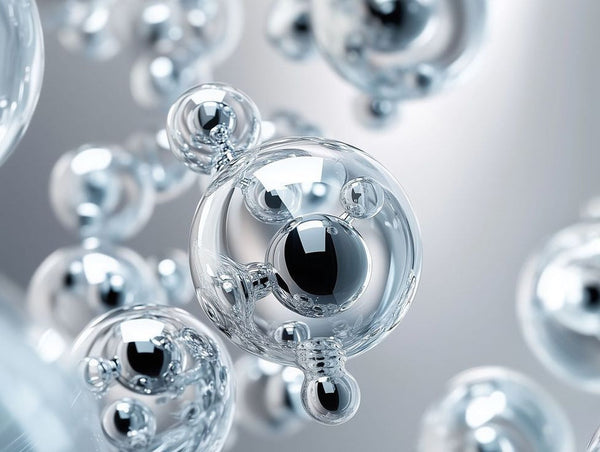
It’s a small molecule made from three amino acids, glutamate, glycine, and cysteine, that works tirelessly inside your liver cells to neutralize toxins and repair damage.
When researchers studied liver disorders, they noticed a consistent pattern: low glutathione levels correlated with increased oxidative stress and poor liver health (NIH).
So, if you’ve ever wondered, “Is glutathione good for liver?”, the answer is yes, science says it may play a protective, restorative role.
How Glutathione Supports Liver Detox and Renewal
For your liver, glutathione is more than protection, it’s the engine that powers detoxification and supports daily repair.
Here’s what happens inside when this master antioxidant does its job.
Neutralizing Oxidative Stress
Every time your liver metabolizes alcohol, medication, or fried food, it produces reactive oxygen species, unstable molecules that can damage liver cells.
Glutathione steps in to neutralize them, preventing cell injury and inflammation.
A clinical review on non-alcoholic fatty liver disease (NAFLD) found that oral glutathione supplementation reduced liver enzyme markers and oxidative stress in patients (NIH).
In simple terms: more glutathione means your liver can clean up better, faster, and more efficiently.
Supporting Detox Pathways
Your liver’s detox process happens in two main phases.
Phase 1 breaks toxins down, and Phase 2 binds them to molecules so they can be safely eliminated.
Glutathione’s role in this second phase is vital, it attaches to heavy metals, pollutants, and metabolic byproducts, making them water-soluble for easy excretion (NIH).
When glutathione levels drop, toxins can linger longer and your liver’s workload increases.
Helping Fat Metabolism
A carb-heavy diet and desk-bound lifestyle increase the risk of fat accumulation in the liver.
Glutathione supports fat processing and prevents lipid peroxidation, the damage caused by oxidized fats inside liver cells.
Studies show that maintaining healthy glutathione levels helps improve liver enzyme balance and supports recovery from non-alcoholic fatty liver (NIH).
How To Naturally Support Glutathione Levels
Modern living drains your glutathione reserves faster than your body can make them. Here’s how to nourish your liver and restore this vital antioxidant naturally.
Daily Nutrition Habits
Your body makes glutathione, but only if you give it the right raw materials.
Try these simple dietary swaps:
-
Protein-rich foods: Eggs, paneer, lentils, and sprouts provide amino acids (cysteine and glycine) to build glutathione.
-
Sulphur-rich veggies: Garlic, onion, and cruciferous vegetables (like broccoli or cabbage) boost glutathione enzymes.
-
Vitamin C and E: Found in amla, citrus fruits, almonds, and seeds, these antioxidants help regenerate glutathione.
-
Hydration: Water aids toxin removal through kidneys, supporting liver efficiency.
Lifestyle And Movement
-
Move daily: A 20-minute brisk walk, yoga, or light jog improves blood flow to the liver and lymphatic drainage.
-
Sleep deeply: Glutathione synthesis peaks at night, so aim for 7-8 hours of sleep.
-
Reduce alcohol: Even two drinks a week can deplete antioxidants, hence alternate with mocktails or herbal infusions.
-
Manage stress: Meditation or breathing exercises help lower cortisol, which otherwise inhibits glutathione production.
Smart Supplementation With N-Acetylcysteine
N-Acetylcysteine (NAC) is one of the most effective precursors to boost glutathione production naturally. It provides cysteine, the rate-limiting amino acid your body uses to make glutathione.
Clinical studies show that NAC supplementation helps replenish liver glutathione stores and protect against oxidative damage (NIH).
For modern professionals exposed to urban toxins or irregular routines, this can be a valuable addition, especially when paired with a balanced diet and lifestyle.
Premium formulations like Advanced N-Acetylcystein Slow Capsules and Liver Detox Slow Capsules combines NAC and botanical extracts for enhanced absorption and sustained antioxidant support.
The Takeaway: Protect The Organ That Protects You
Your liver is your body’s silent guardian.
It never stops working, even when you do.
Supporting it doesn’t mean drastic cleanses or complicated diets.
It’s about nourishment, rest, and strategic antioxidant support.
Science shows that maintaining optimal levels of glutathione for liver health can help your body process toxins more effectively, restore cellular balance, and sustain long-term vitality.
As your days get busier, let your wellness get smarter. Feed your liver the nutrients it deserves, and it will quietly fuel your energy, clarity, and longevity in return.
FAQs
1. What Is Glutathione and Why Is It Important for the Liver?
Glutathione is a natural antioxidant made by the body that protects liver cells from toxins, pollution, alcohol, and stress. It helps neutralize free radicals and supports the liver’s detox pathways, keeping your metabolism and energy levels balanced.
2. Is Glutathione Good for Liver Health?
Yes. Studies show that maintaining healthy glutathione levels may help reduce oxidative stress, improve liver enzyme balance, and support detoxification (NIH). It’s especially beneficial for people with busy lifestyles, irregular diets, or exposure to urban pollutants.
3. Can Glutathione Help with Fatty Liver?
Emerging research suggests that glutathione may support recovery from non-alcoholic fatty liver disease (NAFLD) by reducing inflammation and improving fat metabolism in liver cells (NIH). It works best when paired with a balanced diet, exercise, and reduced alcohol intake.
4. How Can I Naturally Boost Glutathione Levels?
You can naturally boost glutathione through:
-
Eating sulphur-rich foods like garlic, onions, and cruciferous vegetables.
-
Consuming high-quality proteins (dal, paneer, eggs).
-
Sleeping well and managing stress.
-
Taking supplements like N-Acetylcysteine (NAC), which helps your body make more glutathione.
5. What Are the Benefits of N-Acetylcysteine (NAC) for the Liver?
NAC is a key precursor to glutathione and is used clinically to support liver detoxification. It replenishes glutathione levels, helps repair oxidative damage, and supports recovery from toxin exposure or alcohol-induced stress.
6. Is It Safe to Take Glutathione Long-Term?
Clinical research shows that long-term use of high-quality glutathione is generally safe and well-tolerated. However, it’s best used under guidance if you have existing liver or kidney concerns.
7. What Is the Best Time to Take Glutathione for Liver Support?
The best time is usually in the morning on an empty stomach or as recommended on the product label. Pairing it with Vitamin C can improve absorption and recycling of glutathione inside the body.

Recommended Products
 Liver Detox Slow
₹1,357 – ₹2,658
Liver Detox Slow
₹1,357 – ₹2,658
 Slow Advanced N-Acetyl-Cysteine + Glycine Capsules
₹1,357 – ₹2,658
Slow Advanced N-Acetyl-Cysteine + Glycine Capsules
₹1,357 – ₹2,658