You’ve made the decision to quit smoking.
Maybe it was after waking up to that tightness in your chest. Or the moment you realized a flight of stairs shouldn’t leave you gasping. Maybe it was seeing a loved one’s worried face.

Quitting smoking isn’t easy. It’s one of the most demanding rewires your body and mind can attempt. But here’s something few people talk about, your body doesn’t just crave nicotine, it craves balance. Years of smoking leave your system oxidized, inflamed, and low on one of your body’s most important antioxidants: glutathione.
That’s where N-acetylcysteine, or NAC, comes in, a supplement that’s quietly earning its place in smoking recovery protocols worldwide.
What Your Body Faces After Quitting
Once you quit, your body rushes to repair the damage. Your lungs start pushing out mucus. Your cells begin detoxifying. Your brain starts adapting to life without nicotine.
But this healing comes at a cost. The oxidative stress built up from cigarette toxins lingers. Your glutathione stores, the molecule that defends every cell from free radicals, are drained. That’s why many people feel foggy, anxious, and physically run-down when they quit.
Your body doesn’t just need rest. It needs reinforcements.
And this is where the NAC supplement to quit smoking steps in.
NAC: The Molecule That Rebuilds from Within
NAC is a form of the amino acid cysteine, and your body uses it to make glutathione, its master antioxidant. Clinically, NAC has been used in hospitals for decades to clear mucus in chronic lung conditions and to treat acetaminophen overdose.
But in recent years, researchers have been looking at it for something more, its ability to protect and restore systems damaged by addiction, pollution, and oxidative stress.
In simple terms: NAC gives your body the tools it needs to repair itself.
How NAC Works
Quitting smoking isn’t just about willpower, it’s about rebuilding what years of smoke have taken from your body.
That’s where N-Acetylcysteine (NAC) steps in. From calming your brain chemistry to clearing your lungs and restoring antioxidant defenses, NAC supports your body’s recovery on every level.
Here’s how it works, one system at a time.
1. Balances Brain Chemistry
Nicotine overstimulates your brain’s reward system by flooding it with dopamine. NAC helps restore balance by regulating glutamate, the key signaling chemical (NIH). This reduces cravings, anxiety, and irritability that come with withdrawal.
In short, it helps your brain find calm again.
2. Boosts Glutathione: The Master Antioxidant
Smoking drains glutathione, your body’s strongest natural detox shield. NAC replenishes it, restoring your cells’ ability to fight oxidative stress (NIH).
Think of it as resetting your body’s inner defense system.
3. Clears Lung Mucus and Supports Breathing ️
Smoke thickens mucus and clogs the airways, making each breath heavier. NAC breaks down this sticky buildup, a process called mucolysis (NIH). It clears the lungs, supports easier breathing, and boosts oxygen flow.
Over time, it helps your lungs feel cleaner and stronger.
4. Reduces Inflammation 🔥
Smoking sparks ongoing inflammation across your lungs and blood vessels. NAC helps calm this response by lowering markers like IL-6 and TNF-α (NIH). Less inflammation means less congestion and easier recovery.
Your body finally gets the space to heal.
5. Protects Cells from Toxin Damage 🧬
Each puff releases thousands of free radicals that attack your cells. NAC neutralizes them before they cause DNA or tissue damage (NIH). It also shields your organs from long-term oxidative stress.
This is how healing begins, deep, cellular repair.
6. Improves Mental Clarity and Energy 💡
When glutathione rises from NAC supplementation, your mitochondria, the body’s energy engines, recover (NIH). That means higher ATP production and sharper mental focus. You’ll feel more alert, less foggy, and more in control.
It’s the mental reboot your brain’s been waiting for.
How NAC Helps Lungs Recover
If you’ve smoked for years, your lungs don’t just need time, they need active repair. Each puff of smoke you once inhaled coated your airways with tar, thickened mucus, and flooded your cells with oxidative stress. NAC steps in as a molecular reset button, helping your lungs clear, heal, and breathe again.
1. Reduces Lung Inflammation
Years of smoking keep your airways inflamed and hypersensitive. Clinical studies in COPD patients found that NAC supplementation reduced flare-ups by 43.8% and improved overall lung flow by 97.5% after one year of consistent use (NIH).
By lowering inflammatory markers and oxidative stress, NAC gives your lungs the calm they need to rebuild damaged tissue.
2. Boosts Lung Function Over Time
In long-term trials, participants who took NAC showed improvement in lung capacity and performance. This means your lungs don’t just feel clearer, they’re actually working more efficiently. NAC helps protect delicate alveoli (the air sacs that exchange oxygen), improving oxygen delivery throughout your body.
3. Shields Against Environmental Pollutants
Even after quitting, your lungs continue to face daily exposure to pollutants, dust, and vehicle exhaust. NAC strengthens the lungs’ antioxidant barrier, reducing oxidative stress caused by air toxins and fine particulate matter.
Research shows NAC’s ability to restore glutathione acts like a shield, defending your lung cells from ongoing damage.
In A Gist: NAC doesn’t just help you breathe easier; it helps your lungs recover their vitality. It clears out the old, repairs what’s been damaged, and strengthens your defense against the world outside. For anyone healing from smoking, NAC is more than a supplement, it’s a second chance for your lungs to thrive again.
NAC and Glycine: A Duo That Redefines Recovery

When you quit smoking, your body is in overdrive, repairing lungs, calming inflammation, and restoring antioxidant defenses that years of nicotine and tar stripped away. That’s where NAC and Glycine come in, a scientifically backed duo that helps rebuild your system from the inside out.
While NAC replenishes glutathione, your master detox molecule, Glycine works alongside it to enhance repair, stabilize mood, and restore mitochondrial energy. Together, they’re known as GlyNAC, a clinically studied combination that redefines what post-smoking recovery can feel like.
In human trials, GlyNAC improved cellular energy (ATP) by 83%, reduced DNA oxidative damage by 73%, and even boosted muscle strength by 13.6% over just 16 weeks (NIH).
For ex-smokers, that means your body doesn’t just heal, it recharges. Your energy stabilizes, brain fog lifts, and the sluggishness that often follows quitting begins to fade.
Think of NAC and Glycine as your body’s recovery architects, rebuilding what smoke once broke down, from the lungs to the mind.
When to Take N-Acetylcysteine
If you’re taking N-acetylcysteine to support quitting smoking, timing can help maximize its benefits. NAC works best when levels stay consistent, giving your body the steady antioxidant support it needs during the early stages of withdrawal and detox.
-
Dose: 1200–2400 mg daily, split into two doses (for example, morning and evening).
-
Timing: Take it about 30 minutes before meals for optimal absorption, or with food if your stomach is sensitive.
-
Duration: Continue for 8–12 weeks to experience noticeable improvements in breathing, energy, and mood regulation.
Pairing NAC with Glycine enhances results by restoring glutathione faster and supporting deeper detoxification, a key advantage for those healing from years of smoke exposure.
If you’re looking for a clean, science-led option, try Wellbeing Nutrition’s NAC + Glycine Slow Release, a formulation built around holistic healing for ex-smokers and anyone exposed to urban pollutants. 
Why It Stands Out:
✅ Dual-phase slow-release technology ensures steady absorption for all-day antioxidant defense.
✅ Clinically effective dosage of NAC (800 mg) and Glycine (300 mg) per tablet, just the right balance for daily recovery.
✅ Supports lung detox, immunity, and energy restoration by replenishing glutathione levels naturally.
✅ 100% vegan, sugar-free, and made with pharmaceutical-grade ingredients, no fillers or synthetic additives.
✅ Developed with science-backed synergy, each capsule supports lung health, brain clarity, and cellular renewal.

Together, NAC and Glycine don’t just help you quit, they help your body heal and thrive again.
Conclusion: A New Breath, A New Beginning
Quitting smoking is more than breaking a habit, it’s reclaiming your health, one breath at a time. The first few weeks can test your willpower, but what your body truly needs isn’t just restraint, it’s rebuilding.
That’s where NAC steps in, replenishing the antioxidants smoking depleted, clearing mucus, calming inflammation, and restoring balance to your brain chemistry. Paired with Glycine, it helps recharge your cells, revive your lungs, and renew the clarity you may have forgotten was possible.
Every ex-smoker’s journey is a story of resilience, and giving your body the right support can make the difference between recovery and transformation.
So, as your lungs expand with cleaner air and your energy returns, remember: healing is already underway.
And with science-backed allies like NAC and Glycine, you’re not just quitting smoking, you’re starting a new chapter of vitality, strength, and lasting wellbeing.
FAQs
1. What is N-acetylcysteine and how does it help when quitting smoking?
N-acetylcysteine (NAC) is a form of the amino acid cysteine that helps your body make glutathione, the master antioxidant. When you quit smoking, NAC helps detoxify the lungs, balance brain chemistry, and reduce oxidative stress caused by cigarette toxins.
2. How does NAC work to reduce cigarette cravings?
NAC helps regulate glutamate, a brain chemical involved in addiction and reward. By balancing glutamate levels, NAC may reduce the urge to smoke and ease irritability or anxiety during withdrawal.
3. How does NAC help the lungs recover after quitting smoking?
NAC acts as a mucolytic, breaking down thick mucus and improving airflow. It also lowers inflammation and boosts lung antioxidant capacity. Studies show long-term use can improve lung function by up to 64% and reduce COPD flare-ups by 43.8%.
4. Can I take NAC and Glycine together for better results?
Yes. The GlyNAC combination (NAC + Glycine) enhances glutathione production, supports detoxification, and restores energy at a cellular level. Clinical studies show it improves mitochondrial function and reduces oxidative damage by over 70%.
5. When is the best time to take N-acetylcysteine?
If you’re using a NAC supplement to quit smoking, take it 30 minutes before meals or with food if you have a sensitive stomach. The ideal dosage is 1200–2400 mg daily, split into two doses, for at least 8–12 weeks for best results.
6. Are NAC supplements safe to take daily?
Yes, NAC is considered safe for daily use when taken in recommended doses. However, consult your doctor before starting if you have existing health conditions or take medications for blood pressure or heart issues.
7. Where can I buy N-acetylcysteine near me?
You can find N-acetylcysteine near you at most major pharmacies, health stores, or online wellness brands. For a science-backed, clean formulation, try Wellbeing Nutrition’s NAC + Glycine Slow Release, designed to support lung detox, energy, and recovery after quitting smoking.

Recommended Products
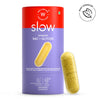 Slow Advanced N-Acetyl-Cysteine + Glycine Capsules
₹1,119 – ₹2,238
Slow Advanced N-Acetyl-Cysteine + Glycine Capsules
₹1,119 – ₹2,238