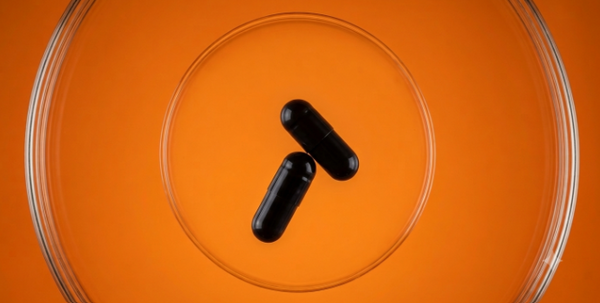
Timing your multivitamin isn't about being obsessive. Some vitamins in it physically cannot absorb without fat. Others compete with each other for uptake. And a few will genuinely keep you up at night if you take them too late.
When You Take It Matters
Most people treat their multivitamin supplements like a morning ritual, pop the tablet with chai, get on with the day. Or forget until bedtime and take it with a glass of water before sleep. Both timings work to some degree. But "some degree" is the problem.
A multivitamin is not a single nutrient. It's a bundle of 10 to 20+ micronutrients, each with its own absorption rules, transport mechanisms, and dietary dependencies.
-
Vitamin D needs fat to be absorbed.
-
B12 is better absorbed in smaller doses, not one large hit.
-
Iron and calcium block each other when taken together.
-
Zinc competes with copper.
The question of the best time to take multivitamins isn't just about habit formation. It's about whether what's listed on the label is actually making it into your bloodstream.
This is especially relevant for multivitamin for women who are managing hormonal shifts, or multivitamin for men with higher zinc and selenium needs.
Getting timing wrong doesn't make the supplement useless, but it does make it less efficient than it should be.
Your Body Treats Each Vitamin at Different Times
Fat-Soluble vs. Water-Soluble
Vitamins split into two categories. Fat-soluble vitamins (A, D, E, K) dissolve in fat and are stored in your body's fatty tissues and liver. Water-soluble vitamins (all eight B vitamins plus C) dissolve in water and are not stored, meaning excess gets excreted through urine.
This distinction completely changes when to take them.
Fat-soluble vitamins need dietary fat to be absorbed properly. If you take your multivitamin on an empty stomach, or with just a cup of tea, the fat-soluble vitamins in it are passing through with significantly reduced absorption.

Water-soluble vitamins are more forgiving. They're absorbed across the gut regardless of fat intake. But they are sensitive to timing in a different way: B vitamins, particularly B6 and B12, can be stimulating.
Some people who take their multivitamin at night report difficulty sleeping, often traced back to the B-complex component.
Morning vs. Night: What Changes
Morning with food (most common recommendation): Taking your multivitamin tablets with breakfast makes sense for most formulations. Breakfast usually contains some fat (ghee on paratha, milk in oats, peanut butter on toast), which helps fat-soluble vitamins absorb. The stimulating effect of B vitamins doesn't disrupt sleep. And the digestive system is active and primed.
The caveat: if your breakfast is entirely fat-free (plain fruit, black coffee), you're still leaving fat-soluble absorption to chance.
With lunch or your largest meal: Lunch in most Indian households tends to be the biggest, most fat-containing meal. Lentils, sabzi, roti with ghee, rice with a little oil, this is actually an ideal fat profile for multivitamin absorption. If you regularly skip breakfast or eat very lightly in the morning, shifting to lunch makes genuine sense.
At night: Night-time dosing works specifically for minerals like magnesium and zinc, which are calming rather than stimulating. But most multivitamin supplements contain B vitamins, which are energising. This can disrupt sleep in sensitive individuals. For most people, the answer to best time to take multivitamins morning or night leans clearly toward morning or midday.

Why Consistency Beats Perfection
Here's the counterintuitive truth: the best time of day to take a multivitamin is whichever time you will actually take it every day. A multivitamin taken consistently at the "suboptimal" time outperforms one taken at the "optimal" time three days a week.
That said, if you're already consistent, optimising timing is a low-effort way to get more from the same supplement.
Practical Timing Guide
What is the best time to take multivitamins for most people?
With your first fat-containing meal of the day. For most Indians, that's breakfast or lunch.
Here's a simple framework:
Morning eater? Take your multivitamin with breakfast. Ensure the meal has some fat, a teaspoon of ghee, a handful of nuts, milk, or eggs. Even a small amount of fat meaningfully improves fat-soluble vitamin absorption.
Light breakfast, bigger lunch? Take it with lunch. The larger fat content in a typical Indian lunch makes this a genuinely efficient time.
Night shift worker or inconsistent schedule? Tie it to your largest meal, whenever that is. The meal anchor is more important than the clock time.
What about when to take vitamin supplements that are separate?
If you're taking best time to take magnesium separately (which many people do for sleep and muscle recovery), take it 30–60 minutes before bed (NIH).
Magnesium is calming, not stimulating, and is better suited to evening use than most multivitamins. Best time to take vitamin D separately is with your fattiest meal, regardless of time of day (NIH).
Multivitamin strips and fast-dissolving formats
If you're using multivitamin strips, the delivery mechanism changes the equation slightly. Oral strips dissolve sublingually or in the mouth, bypassing initial gut digestion. This means some nutrients may absorb more quickly without requiring food. However, fat-soluble vitamins still benefit from dietary fat presence in the system, so taking them alongside or just after a meal remains advisable.
A note on multivitamin for men vs multivitamin for women
Formulations differ. Multivitamin for men often carry higher zinc, selenium, and lycopene. Zinc absorption is best away from high-calcium meals and coffee, both of which reduce uptake.
Multivitamin for women formulations often emphasise iron, folate, and sometimes evening primrose or B6 for hormonal support. Iron is best absorbed with vitamin C (typically included) and away from tea or coffee. Both formats benefit from the same core rule: take with food, preferably fat-containing.
Key Takeaways
-
The best time to take multivitamins is with a fat-containing meal as fat-soluble vitamins (A, D, E, K) require dietary fat to absorb properly.
-
Morning or lunch works best for most people; avoid taking standard multivitamins at night due to B vitamin stimulation.
-
If taking vitamin D separately, timing it with your fattiest meal of the day improves absorption regardless of when that meal falls.
-
Magnesium (if taken separately) is best at night; it's calming rather than stimulating and supports sleep.
-
Multivitamin for men and multivitamin for women have different nutrient emphases, iron and zinc in particular are sensitive to what you eat around the time of dosing.
-
Consistency matters more than perfect timing, but optimising both is always the better outcome.
Conclusion
Timing your multivitamin isn't about being precise to the hour. It's about not working against the biology of absorption. Fat-soluble vitamins need fat. B vitamins can disrupt sleep. Iron hates calcium.
These aren't minor footnotes, they determine how much of what's in your supplement actually reaches your cells. Take it with food, take it consistently, and if you're separating nutrients like vitamin D or magnesium, give each one the conditions it needs. That's the whole system.
FAQs
1. What is the best time to take multivitamins if I have an inconsistent schedule?
Tie the dose to your largest meal of the day rather than a fixed clock time. The presence of food, especially fat, matters more than the specific hour. Set a reminder linked to a meal you consistently eat.
2. Best time to take multivitamin capsules, does the form matter?
Capsules behave similarly to tablets in terms of timing, but they tend to break down faster in the gut. The same rules apply: take with a meal that contains some fat, and avoid taking on a completely empty stomach for fat-soluble vitamin absorption.
3. Best time to take multivitamins morning or night, can I switch between the two?
Inconsistent timing reduces consistency of blood levels for water-soluble vitamins, which aren't stored. Pick one time and stay with it. Morning or lunch is preferable to night for formulations that include B vitamins, which can be stimulating.
4. When is the best time to take multivitamins if I also take other supplements?
Space out nutrients that compete. Iron and calcium should not be taken at the same time. Zinc and copper compete for absorption. If your multivitamin already contains both, the formulation manages this, but adding separate iron or calcium supplements right alongside your multi is not ideal. A 2-hour gap between competing nutrients is a reasonable rule.
5. Multivitamin tablets best time to take does coffee affect absorption?
Yes. Caffeine and tannins in coffee and tea can interfere with iron and calcium absorption specifically. If your multivitamin contains iron (common in formulations for women), wait at least 30–60 minutes after coffee before taking it, or take it with a non-caffeinated meal.
6. Best time to take multivitamin supplement during pregnancy?
Prenatal formulations often contain higher iron and folate. Iron is best taken between meals or with vitamin C to maximise absorption, but if nausea is an issue (common in the first trimester), taking it with food is fine. Your doctor's recommendation overrides general guidelines here.
7. Best time of day to take a multivitamin for energy?
If energy support is a goal, morning is better. B vitamins in most multivitamins, particularly B6, B12, and niacin, support energy metabolism and can be mildly activating. Taking them in the morning means the activation aligns with your waking hours rather than competing with sleep onset.
8. When to take vitamin supplements like vitamin D separately vs. inside a multi?
If your multivitamin contains vitamin D, it still follows the same fat-soluble rule. Separate vitamin D supplements give you more control over dose and timing. Either way, the best time to take vitamin D is with a meal that contains fat, not on an empty stomach.
9. Can multivitamin strips be taken without food?
Strips dissolve in the mouth and partially absorb sublingually, which is faster than gut digestion. However, fat-soluble vitamins still benefit from fat presence in the system. Taking strips after a small fat-containing snack is a better approach than taking them on a completely empty stomach.
10. Does the best time to take magnesium differ from when I take my multivitamin?
Yes, and this is a common source of confusion. Most multivitamins are best taken in the morning or at lunch. Magnesium for sleep or muscle recovery is best taken 30–60 minutes before bed. If your multi contains magnesium, that dose is fine in the morning. A separate magnesium supplement is best reserved for night.

Recommended Products
 Multi + Omega 50+ Slow
₹1,357 – ₹2,658
Multi + Omega 50+ Slow
₹1,357 – ₹2,658
 Multi + Omega for Her Slow
₹1,357 – ₹2,658
Multi + Omega for Her Slow
₹1,357 – ₹2,658
 Multi + Omega for Him Slow
₹1,357 – ₹2,658
Multi + Omega for Him Slow
₹1,357 – ₹2,658
 Multivitamins
₹599 – ₹1,138
Multivitamins
₹599 – ₹1,138