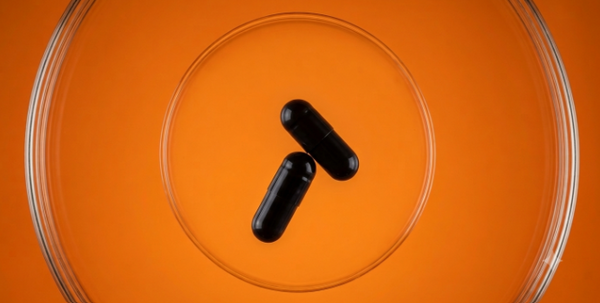
You’ve probably heard NAC mentioned somewhere lately, maybe in a podcast, a social media comment thread, or from someone trying to detox or increase energy. And unlike most supplements that rise and fall with trends, NAC has been studied for decades, mainly for how well it restores glutathione, the antioxidant your body burns through when life gets busy, stressful, or a little messy.
Naturally, the big question that follows is:
Is NAC something you can take every day and does it actually help?
This guide walks you through the science and the practical side, so you know what daily NAC use really looks like for your body.
Why NAC?
Modern life pushes your biology into constant overdrive. Shallow breathing. Interrupted sleep. High stress. Environmental pollutants. Alcohol. Medications. Urban air. Screens. Fast meals. Faster days.
All of these chip away at your cellular resilience, especially your glutathione reserves, which naturally decline with age, stress, toxins, and inflammation.
That’s where NAC enters the picture.
NAC is a highly absorbable form of cysteine, the amino acid your cells need to produce glutathione. Without enough cysteine, your glutathione supply slows down, leaving your cells underpowered, your metabolism sluggish, and your recovery less efficient.
NAC doesn’t stimulate you. It rebuilds you. From the inside out.
Before we get into dosing or safety, here’s the simple distinction people often confuse:
-
Acetylcysteine → medical drug used in hospitals (IV or inhaled)
-
N-acetylcysteine (NAC) → oral supplement for daily wellness
NAC is the stabilized version designed for long-term preventive support.
How NAC Works
To understand why NAC can be so powerful, it's helpful to zoom in on how it supports your body system by system. NAC isn’t simply a generic antioxidant, it acts as a building block for your very own glutathione production, which gives it broad, system-wide impact.
Here’s how that plays out:
1. Respiratory System

NAC helps thin out dense mucus by breaking disulfide bonds, one reason it’s used clinically for lung congestion. By raising glutathione levels in lung cells, it supports smoother breathing and reduces irritation from allergens, smoke, or pollution-heavy environments. (NIH).
2. Liver & Detox

Your liver is your daily housecleaning system, processing alcohol, medications, pollutants, and metabolic waste. NAC helps replenish liver glutathione, strengthening these pathways and reducing oxidative stress that can leave you feeling sluggish or inflamed (NIH).
3. Brain & Nervous System

NAC crosses the blood–brain barrier and helps regulate glutamate, the neurotransmitter responsible for mood balance, emotional stability, and cognitive sharpness. By reducing oxidative stress in neurons, NAC supports clearer thinking and steadier mood (NIH).
4. Immune System

Immune cells need glutathione to function properly. NAC helps them respond to pathogens more effectively without triggering unnecessary inflammation. During stress or seasonal shifts, this can make a noticeable difference (NIH).
5. Skin & Cellular Repair

Oxidative stress accelerates pigmentation, dullness, and early aging. By replenishing glutathione, NAC supports collagen stability and brighter, more even skin. Think of NAC as “internal skincare.” (NIH).
6. Metabolic & Mitochondrial Health

Your mitochondria, your energy factories, are highly vulnerable to oxidative overload. NAC helps buffer this stress so your cells can produce ATP more efficiently. This translates into “lighter” energy, better muscle recovery, and metabolic clarity (NIH).
7. Gut Health

A strong gut lining depends on antioxidants like glutathione. NAC supports gut barrier stability and smoother digestion by reducing oxidative triggers (NIH).
When you zoom out, NAC’s real power comes from its ability to support your body at the cellular level, across multiple systems at once.
What Happens When You Take NAC
NAC isn’t like caffeine or adaptogens, you won’t “feel” it instantly. Its benefits build gradually as your glutathione stores refill and inflammation calms.
Week 2: Early Cellular Shifts
The first two weeks are subtle, but important. This is when NAC begins supporting mitochondrial efficiency and taming early inflammatory signals.
Research shows:
-
4% drop in respiratory quotient (NIH)
-
29% increase in mitochondrial fat oxidation (NIH)
-
57% reduction in IL-6 (inflammation marker) (NIH)
Week 4: Noticeable Metabolic Balance
Around the one-month mark, NAC’s benefits become more visible. Improved insulin sensitivity and lipid metabolism begin translating into real-world changes.
Studies have observed:
-
5% reduction in body weight (NIH)
-
22.6% decrease in fasting glucose (NIH)
-
4.4% drop in cholesterol (NIH)
Week 12: Mood & Inflammation Improvements
By three months, NAC’s antioxidant support is strong enough to influence deeper physiological and behavioral pathways.
Clinical findings include:
-
38.3% reduction in skin-picking symptoms (NIH)
-
34.9% decrease in tender joints (NIH)
-
81% drop in oxidative stress markers (NIH)
Week 16: Peak Glutathione Restoration
Around four months, glutathione, your body’s master antioxidant, reaches its highest documented response to NAC.
Data shows:
-
164% increase in glutathione (NIH)
-
18.5% improvement in gait speed (NIH)
-
54% decrease in TNF-α (inflammatory signal) (NIH)
Week 24: Long-Term Cellular Strength
Six months of consistent NAC delivers deeper, more stable benefits that extend beyond antioxidant support.
Research highlights:
-
49% reduction in hs-CRP (NIH)
-
21% decrease in muscle protein breakdown (NIH)
Understanding this timeline helps you set realistic expectations and stay consistent long enough to experience the deeper cellular benefits NAC is known for.
NAC + Glycine: The Powerful Duo
Glutathione requires three amino acids: cysteine, glutamate, and glycine.
Most people have enough glutamate but cysteine and glycine run low, especially under stress, pollution, or aging. That’s why GlyNAC (NAC + glycine) is widely studied for cellular and longevity benefits.
Together:
-
NAC provides cysteine, the rate-limiting amino acid.
-
Glycine provides the second missing building block.
-
Together they boost glutathione far more effectively than either alone.
If someone wants deeper cellular support, the NAC + glycine approach is what most clinical studies explore.
For those ready to make a thoughtful daily choice, Wellbeing Nutrition offers the NAC + Glycine Capsules, a targeted formula crafted to support long-term cellular health and resilience.
A clinically precise blend of NAC + glycine that rebuilds glutathione at its source. Clean, bioavailable, and designed to work with your cells, not against them. Made for modern stress, deeper recovery, and long-term cellular resilience.
Your cells already hold the blueprint to heal, NAC + Glycine simply helps them remember how.
Safety Precautions
NAC is generally very safe when used thoughtfully, but here are key considerations to ensure it stays a positive force in your daily regimen:
-
Typical Dose Range: 600–1200 mg/day is well-supported for antioxidant and detox support.
-
Ease Into It: Start with 300–600 mg/day if you're new, to reduce the chance of mild digestive effects like bloating or nausea.
-
Common Side Effects: Mild and usually temporary, things like slight nausea, headache, or gas. Splitting the dose or pairing with food can help.
-
Interactions: Be cautious if you're using nitroglycerin, blood thinners, antihypertensives, or certain chemotherapy drugs , always check with your healthcare provider.
-
Supplement Tips:
-
Take on an empty stomach for better absorption.
-
Stay well-hydrated.
-
Avoid stacking with multiple high-dose antioxidant supplements unless advised by a professional.
Used thoughtfully, NAC can become one of the most reliable daily instruments for energy, detox support and cellular resilience.
In A Gist
So, Should You Take NAC Daily?
The answer is YES.
Daily NAC isn’t a quick fix. It’s a gradual rebuild of your antioxidant defenses, inflammation levels, detox pathways, metabolic balance, and cellular energy production.
For many people, NAC becomes one of the most meaningful long-term wellness habits because it works at the deepest level: your cells.
If you're looking for more complete support, combining NAC with glycine provides a clearer advantage in maintaining consistent glutathione levels and protecting your cells from everyday stress.
Your body already knows how to repair. NAC simply gives it the raw materials to do it well.
FAQs
1. Is it safe to take NAC every day?
Yes, NAC is generally considered safe for daily use when taken within the typical supplemental range of 600–1200 mg/day. Research supports long-term benefits for antioxidant levels, liver support, respiratory health, and metabolic balance. Those on medications like nitroglycerin, anticoagulants, or antihypertensives should consult a doctor before daily use.
2. What is the best time of day to take NAC?
NAC absorbs best on an empty stomach, either in the morning or 1–2 hours before meals. If you experience mild nausea, you can take it with a small snack or split your daily dose into two smaller servings.
3. How long does it take for NAC to start working?
NAC works gradually as glutathione levels rebuild.
Expected timeline:
-
2 weeks: early metabolic and respiratory improvements
-
4–12 weeks: clearer energy, better recovery, improved inflammation markers
-
16–24 weeks: deeper cellular repair, stronger detox pathways, and long-term resilience
4. Can I take NAC with other supplements?
Yes, but with intention. NAC pairs especially well with glycine, forming the clinically studied GlyNAC combination that enhances glutathione production. Avoid stacking multiple high-dose antioxidants unless guided by a professional.
5. Who should avoid taking NAC?
Avoid NAC if you:
-
are pregnant or breastfeeding (insufficient data)
-
take nitroglycerin, certain chemotherapy drugs, or blood thinners
-
have active ulcers or severe asthma (speak with your clinician first)
Always consult a healthcare provider if you’re on prescription meds.
6. Does NAC help with detox and liver function?
Yes. NAC replenishes glutathione, the primary antioxidant used by your liver to neutralize toxins, alcohol metabolites, pollutants, and medications. Daily NAC is shown to support detox pathways, reduce oxidative stress, and improve metabolic clarity over time.
7. Can NAC improve skin, mood, or immunity?
Emerging research suggests yes.
-
Skin: better collagen stability, reduced oxidative stress, clearer tone
-
Mood & brain: supports balanced glutamate levels, which influence focus and emotional regulation
-
Immunity: strengthens immune cell activity and reduces excess inflammation
These effects build over consistent daily use.

Recommended Products
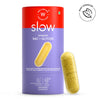 Slow Advanced N-Acetyl-Cysteine + Glycine Capsules
₹1,357 – ₹2,658
Slow Advanced N-Acetyl-Cysteine + Glycine Capsules
₹1,357 – ₹2,658
 Beauty Korean Marine Collagen Peptides Mango Peach Flavour
₹1,939 – ₹7,196
Beauty Korean Marine Collagen Peptides Mango Peach Flavour
₹1,939 – ₹7,196
 Pure Korean Marine Collagen Peptides | Unflavored | Combat Signs of Ageing
₹1,745 – ₹6,476
Pure Korean Marine Collagen Peptides | Unflavored | Combat Signs of Ageing
₹1,745 – ₹6,476