You line up your supplements in the morning. A glass of water. A capsule of Omega. And then a pause. Do you take it right away? Or wait until breakfast?
It seems like a small choice. But when it comes to fat-based nutrients, timing quietly determines how much your body absorbs and how comfortably that process unfolds.
This is why so many people search for can you take fish oil on empty stomach, and why the real answer lives at the intersection of digestion, bile chemistry, and fatty acid metabolism. Let’s unpack it.
What Really Happens When You Take Fish Oil Without Food
Yes, technically, you can take fish oil on empty stomach. But biology doesn’t care about technicalities. It cares about readiness.
Fish oil is almost entirely composed of triglycerides and phospholipids rich in EPA and DHA. These long-chain fatty acids require bile acids from the gallbladder and lipase enzymes from the pancreas to be broken down, emulsified, and absorbed through the intestinal wall.
On an empty stomach, those systems are running at idle. Without food, bile release is minimal. Digestive enzymes are lower. Gastric emptying happens faster. Which means a portion of that expensive Omega 3 fish oil can pass through your gut only partially absorbed (NIH).
This is why taking fish oil on empty stomach often leads to:
-
Reduced bioavailability of EPA and DHA
-
Fishy burps or reflux
-
Mild nausea or bloating
-
A lingering aftertaste
It isn’t intolerance. It’s incomplete digestion.
Fish Oil Empty Stomach or With Food
If you’re choosing between fish oil empty stomach or with food, physiology makes the decision clear.
Taking fish oil alongside a meal, especially one containing fats, activates (NIH):
-
Gallbladder contraction and bile secretion
-
Pancreatic lipase release
-
Slower gastric transit time
Together, these mechanisms dramatically improve fatty acid absorption. Clinical research consistently shows higher Omega-3 uptake when supplements are consumed with meals rather than in a fasted state.
So when people ask fish oil on empty stomach or with food, the answer is simple:
With food, every time. Not for convenience but for chemistry.
Why Morning Fish Oil Sometimes Feels Uncomfortable
Many people try taking fish oil first thing in the morning and then wonder why their stomach feels unsettled.
Here’s what’s happening.
A concentrated fat bolus hitting an empty digestive tract can irritate the gastric lining, particularly in individuals with mild reflux, sensitive digestion, or slower bile flow.
That’s when you experience:
-
Acid reflux
-
Fishy regurgitation
-
Abdominal heaviness
-
Loose stools
Higher-purity formulations help here. Advanced distillation reduces oxidation and removes inflammatory residues, which is why concentrated options like 4x Strength Omega 3 Fish Oil, 3x Strength Omega 3 Fish Oil, and 6x Strength Omega 3 Fish Oil tend to be easier on digestion while delivering more EPA and DHA per capsule.
More strength also means fewer capsules, which reduces total oil volume entering your stomach at once.
The Best Time to Take Fish Oil for Maximum Absorption
There is no universal clock time. The best time to take fish oil is when your digestive system is most prepared to process fats.
For most people, that means:
-
With breakfast, if it includes healthy fats
-
With lunch or dinner if mornings feel sensitive
-
With your largest meal of the day
Consistency matters more than precision. Omega-3s work cumulatively, integrating into cell membranes over weeks, not hours. Choose a meal you never skip.
How Much Fish Oil Do You Actually Need?
Your ideal fish oil dose depends on your health goals and baseline inflammation.
General evidence-based ranges (NIH):
-
Daily wellness: 250–500 mg EPA + DHA
-
Joint and inflammatory support: 1000–2000 mg
-
Cardiometabolic or cognitive support: Higher therapeutic doses under professional guidance
Always read labels carefully. What matters is combined EPA + DHA, not total oil weight.
Higher-potency formats like 4x Strength Omega 3 Fish Oil, 3x Strength Omega 3 Fish Oil, and 6x Strength Omega 3 Fish Oil make it easier to reach effective doses without swallowing multiple softgels.
Practical Takeaways for Omega-3 Supplementation
Small habits determine big biological outcomes. These practical guidelines help you take Omega-3 the way your body actually understands, for smoother digestion, better absorption, and deeper cellular benefits.
-
Always take fish oil with meals
-
Include healthy fats to enhance absorption
-
Avoid taking it on a completely empty stomach
-
Start with a moderate fish oil dose and adjust gradually
-
Choose high-quality Omega 3 fish oil to reduce digestive discomfort
-
Stay consistent, daily intake matters more than timing perfection
Final Thought
Omega-3s don’t work loudly. They work quietly, reshaping cell membranes, calming inflammatory signals, supporting heart rhythm, and sharpening neural communication. But only if they’re absorbed.
So if you’ve been wondering about fish oil on empty stomach, remember this:
Let your body eat first. Then let Omega-3s do what they do best.
FAQs
1. Can you take fish oil on empty stomach?
Yes, you technically can. But taking fish oil on empty stomach often leads to lower absorption and digestive discomfort. Omega-3 fatty acids need bile and digestive enzymes for proper uptake, which are released more effectively when you eat.
2. Is fish oil better on empty stomach or with food?
When choosing between fish oil empty stomach or with food, science favors food. Taking fish oil with meals, especially those containing healthy fats, significantly improves EPA and DHA absorption and reduces side effects like reflux or fishy burps.
3. Why does fish oil cause burps or nausea when taken without food?
Without food, bile flow is limited and gastric emptying is faster. This makes concentrated fats harder to digest, which is why fish oil on empty stomach can cause fishy regurgitation, bloating, or nausea.
4. What is the best time to take fish oil for maximum benefits?
The best time to take fish oil is with your largest meal of the day or any meal that includes fats. This supports digestion and allows Omega-3s to be absorbed efficiently into your bloodstream.
5. How much fish oil should you take daily?
Your ideal fish oil dose depends on your goals. General ranges are 250–500 mg EPA+DHA for wellness, and 1000–2000 mg for joint or inflammatory support. Higher-strength options like 4x Strength Omega 3 Fish Oil, 3x Strength Omega 3 Fish Oil, or 6x Strength Omega 3 Fish Oil help meet these needs with fewer capsules.
6. Can high-strength Omega 3 fish oil reduce digestive side effects?
Yes. Purified, concentrated formulas such as 4x Strength Omega 3 Fish Oil, 3x Strength Omega 3 Fish Oil, and 6x Strength Omega 3 Fish Oil deliver more EPA and DHA per serving while reducing total oil volume, which often improves digestion and minimizes burping.
7. Should you take Omega 3 fish oil every day?
Absolutely. Omega-3s work cumulatively, integrating into cell membranes over time. Daily intake of Omega 3 fish oil, taken consistently with meals, supports heart health, joint comfort, brain function, and inflammation balance.

Recommended Products
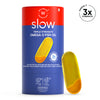 3x Strength Omega 3 Fish Oil
₹854 – ₹1,672
3x Strength Omega 3 Fish Oil
₹854 – ₹1,672
 4x Strength Omega 3 Fish Oil
₹1,189 – ₹2,378
4x Strength Omega 3 Fish Oil
₹1,189 – ₹2,378
 6x Strength Omega 3 Fish Oil
₹1,709 – ₹3,346
6x Strength Omega 3 Fish Oil
₹1,709 – ₹3,346