Let's be honest. When most of us hear the word "protein," we picture a gym bro shaking a chalky powder into a bottle at 6 am. Or a bodybuilder meal-prepping six containers of boiled chicken. Neither of those images feels particularly relatable, especially when your actual morning starts with a cup of chai, maybe some toast, and a silent prayer that the day goes smoothly.
But here's the thing: protein isn't just for people who lift weights. It's for literally everyone. Your hair is made of it. Your skin relies on it. Your immune system runs on it. Every single enzyme in your body that makes chemical reactions happen relies on protein. Every time a muscle repairs itself after you climbed a flight of stairs, carried groceries, or chased a toddler across the living room, protein made that happen.
And yet, most Indians are chronically under-eating it.
A national nutrition survey found that approximately 73% of Indians are protein deficient, not because of lack of awareness, but because traditional Indian meals are heavily carbohydrate-focused. Rice, roti, poha, bread. Comforting, familiar, and not especially protein-rich.
The average Indian adult consumes roughly 0.6 grams of protein per kilogram of body weight per day, when the recommended intake is at least 0.8 to 1 g per kg, and closer to 1.2 to 1.6 g for active individuals.
What does protein deficiency actually look like? It's not dramatic. It's fatigue that won't quit. Hair that falls out more than it should. Nails that break easily. A metabolism that feels sluggish. Getting sick more often than your friends. Sound familiar?
The good news is that fixing it doesn't require a lifestyle overhaul. It doesn't require expensive supplements or imported superfoods. Some of the best high-protein foods in the world have been sitting in Indian kitchens for centuries. You just need to know what they are and how to make them a regular part of your day.
Why Do You Need Protein?
Protein does three things that no other macronutrient does quite as well.
First, it keeps you full. Protein is the most satiating macronutrient, meaning gram for gram, it suppresses hunger better than carbohydrates or fat. If you're someone who eats breakfast and is hungry again by 10 am, there's a very good chance your breakfast was low in protein.
Second, it preserves and builds muscle, not just for athletes, but for everyone. After the age of 30, adults begin losing muscle mass at a rate of 3 to 8 percent per decade if they don't actively counteract it through diet and movement. Muscle is metabolically active tissue, meaning it burns calories even at rest. Less muscle means a slower metabolism, which is one reason weight management gets harder with age.
Third, protein has what is called a high thermic effect. Your body burns more calories digesting protein than it does digesting carbs or fat. Roughly 20 to 30 percent of the calories in protein are burned just through the process of breaking it down. That's a metabolic advantage that adds up quietly over time.
Now, here is where it gets practical.
10 High-protein Foods For Everyday Indian Meals
Eggs, the original complete protein

One large egg contains about 6 to 7 grams of protein, and unlike many plant sources, it contains all nine essential amino acids your body cannot produce on its own. That makes it a complete protein, nutritionally about as efficient as food gets. Boiled, scrambled, poached, made into an omelette with onions, tomatoes, and green chilli.
Eggs fit into every Indian meal of the day. They are also one of the most affordable high-protein foods for weight loss, making them accessible across income levels. Two eggs at breakfast and you've already banked 13 to 14 grams before 9 am.
Paneer, India's protein MVP

100 grams of paneer delivers roughly 18 to 20 grams of protein, which is why it is the backbone of high-protein Indian vegetarian meals. It is versatile in a way few ingredients can match. Bhurji, tikka, curry, paratha filling, salad topping, or eaten plain with a sprinkle of chaat masala.
Go for low-fat paneer if you're managing calories alongside protein. Made from full-fat milk, it is also a source of calcium and phosphorus. For vegetarians, paneer is perhaps the single most important food to eat regularly.
Lentils (dal), the underrated everyday protein

A cup of cooked dal provides approximately 17 to 18 grams of protein, depending on the variety. Masoor, moong, toor, urad. Indian cuisine has an extraordinary variety of lentils, and each one is a legitimate plant-based protein source. Dal is also packed with fibre, iron, and folate, making it one of the most nutritionally complete everyday foods in existence.
The reason it gets underestimated is partly because it's so ordinary. Dal is just dinner. But eaten consistently, it is one of the most powerful protein-rich foods for muscle building available to vegetarians.
Chickpeas (chana), the protein you can snack on

Boiled chickpeas contain around 15 grams of protein per cup, and they are one of the most convenient high-protein snack foods available. Chana chaat, chole, hummus, roasted chana as a mid-morning snack.
Chickpeas are endlessly adaptable. They are also high in fibre, which means they keep blood sugar stable and hunger in check for hours. Roasted chana in particular is one of the best protein-rich snacks for weight loss you'll find. Cheap, portable, and genuinely filling.
Greek yoghurt (and hung curd), protein in a bowl

Regular dahi has about 3 to 4 grams of protein per 100 g. Greek yoghurt and hung curd, essentially dahi with the whey strained out, have two to three times that, coming in at 8 to 10 grams per 100 g. It is thick, creamy, and works brilliantly as a base for raita, as a marinade, as a breakfast bowl with fruit and seeds, or simply eaten with a drizzle of honey.
As one of the best high-protein dairy foods, hung curd is particularly valuable for vegetarians looking to diversify beyond paneer and dal.
Tofu, the plant-based protein most Indians overlook

Firm tofu contains around 8 to 10 grams of protein per 100 g and is made from soy, one of the few plant foods that is a complete protein. It is low in calories, virtually flavourless on its own, which is a feature, not a flaw, because it takes on whatever you cook it with, and works surprisingly well in Indian preparations.
Tofu bhurji, tofu tikka, tofu stir-fry with Indian spices. Once you cook it right, it earns its place as a reliable protein-rich food for vegetarians. It is also one of the best high-protein low-fat foods for anyone managing both weight and nutrition.
Chicken breast, the benchmark protein food

If you eat meat, chicken breast is hard to beat. Roughly 31 grams of protein per 100 g, low in fat, and endlessly cookable. It is the food that most nutritionists and dietitians point to when discussing best protein foods for muscle gain because the protein quality is exceptionally high and the fat content is low.
Tandoori chicken, chicken curry with minimal oil, grilled chicken in a roti wrap. Indian cooking actually handles chicken breast beautifully. The key is cooking method. Grilled, baked, or cooked in a light gravy beats deep-fried every time.
Edamame, the snack that punches above its weight

Edamame, young soybeans often served steamed with a pinch of salt, contains a remarkable 11 to 12 grams of protein per 100 g. They are increasingly available in Indian supermarkets and online, and they make an outstanding mid-meal snack or salad addition.
As a complete plant-based protein, edamame is particularly valuable for vegans who need all nine essential amino acids from non-animal sources. A small bowl of edamame as an evening snack is genuinely one of the most efficient high-protein low-calorie foods you can eat.
Rajma (kidney beans), the Saturday classic that deserves more days

Rajma gets one day a week in most Indian households, but nutritionally, it deserves more. A cup of cooked kidney beans contains around 13 to 15 grams of protein alongside substantial fibre, iron, and potassium. It is also deeply satisfying in a way that makes overeating unlikely.
Beyond the classic rajma chawal, kidney beans work well in salads, wraps, and even as a filling for whole wheat parathas. As one of the best high-protein vegetarian foods already part of Indian food culture, all it needs is more frequency on the weekly menu.
Pumpkin seeds, the tiny protein bomb

This one surprises most people. Pumpkin seeds, also known as kaddu ke beej, contain an extraordinary 19 grams of protein per 100 g, more than chicken breast by weight. They are also loaded with magnesium, zinc, and healthy fats.
A small handful, about 30 grams, sprinkled on your oats, added to a salad, blended into a smoothie, or eaten as a standalone snack gives you around 5 to 6 grams of protein in seconds. They are one of the best high-protein seeds available and among the most underused foods in Indian kitchens. Buy a bag, keep it on the counter, and start adding it to everything.
How To Actually Eat More Protein Every Day
The most practical approach is not to add entirely new meals. It is to upgrade the ones you already eat. Add a boiled egg to your breakfast. Swap regular dahi for hung curd. Toss some roasted chana into your afternoon snack. Throw a handful of pumpkin seeds on your dal-rice. These micro-upgrades add 5 to 10 grams of protein each and stack up across a day without requiring you to rethink everything.
Aim to include a protein source at every meal, not just dinner. Most Indians eat a protein-light breakfast and lunch, then pile it on at dinner. But your body can only absorb and utilise protein efficiently in doses of around 25 to 40 grams at a time. Spreading it across three meals is significantly more effective than eating it all at once.
Your body has been waiting for this. Give it what it actually needs and everything else tends to follow.
FAQs
1. How much protein do I need per day?
The general recommendation is 0.8 to 1 gram of protein per kilogram of body weight for a sedentary adult. So if you weigh 65 kg, you need at least 52 to 65 g of protein daily. Active individuals, those trying to build muscle, or people over 40 should aim for 1.2 to 1.6 g per kg. Most Indians are eating closer to 0.6 g, which is why fatigue, hair fall, and sluggish metabolism are so common.
2. What are the best high-protein foods for vegetarians in India?
Paneer, dal, chickpeas, rajma, tofu, edamame, hung curd, and pumpkin seeds are your core vegetarian protein sources. Combined across meals, these can comfortably get you to 60 to 80 g of protein per day without any supplements. The key is variety. Rotating between these sources ensures you're getting a full range of amino acids, not just one or two.
3. Can I get enough protein on a purely Indian vegetarian diet?
Absolutely, but it requires intention. A typical Indian plate leans heavily on rice and roti with a small portion of dal or sabzi. Simply increasing the dal portion, adding paneer or chana, and including a high-protein snack like roasted chana or hung curd between meals can close the protein gap significantly. You do not need to eat meat or buy supplements. You just need to rebalance the plate.
4. Which Indian breakfast foods are highest in protein?
The highest-protein Indian breakfasts include moong dal chilla, approximately 12 to 14 g per serving, paneer bhurji, 15 to 18 g, eggs in any form, 6 to 7 g per egg, besan cheela, and Greek yoghurt or hung curd with seeds. Even adding a boiled egg or a spoon of peanut butter to an otherwise ordinary breakfast makes a meaningful difference. Avoid starting your day with poha, white bread, or upma alone. These are almost entirely carbohydrate.
5. Is dal enough protein for the day?
Dal is excellent, but not sufficient on its own. A cup of cooked dal gives you around 17 to 18 g of protein, which covers roughly a quarter to a third of most adults' daily needs. You would need to eat three to four large servings of dal to hit your target through dal alone, which is not realistic. Think of dal as a strong foundation, then build on it with paneer, eggs, curd, chana, or seeds across your other meals.
6. What are the best high-protein snacks for weight loss?
Roasted chana, boiled eggs, a small bowl of hung curd, edamame, a handful of pumpkin seeds, or a slice of paneer with chaat masala. These options are high in protein, low in refined carbohydrates, and filling enough to prevent overeating at the next meal. The worst thing you can do for weight loss is snack on biscuits, namkeen, or chips. These are high in carbohydrates, low in protein, and hunger returns quickly.
7. Does eating more protein actually help with weight loss?
Yes, and the science on this is very clear. Protein is the most satiating macronutrient, meaning it keeps you fuller for longer than carbohydrates or fat. It also has a high thermic effect. Your body burns 20 to 30 percent of protein's calories just digesting it. It also preserves muscle mass during weight loss, which helps keep your metabolism from slowing down. Simply increasing protein intake while keeping calories the same consistently leads to reduced hunger and better fat loss outcomes.
8. What is the best protein food for muscle gain in India?
Chicken breast leads on pure protein density at around 31 g per 100 g. For vegetarians, paneer and tofu are the closest equivalents. But the real answer is total daily protein across all sources. Muscle gain depends on consistently hitting your protein target every day, not on any single food. Pair adequate protein with strength training and sufficient sleep, and the muscle follows.
9. Are protein supplements necessary if I eat a balanced diet?
Not necessary, but sometimes convenient. If you're consistently hitting your protein targets through whole foods like dal, paneer, eggs, chicken, and legumes, supplements add no meaningful benefit. They become useful when you're very active, have higher protein requirements, or genuinely struggle to eat enough protein through food alone. Whole foods are always preferable because they come with fibre, micronutrients, and satiety that a shake simply cannot replicate.
10. How do I add more protein to my meals without cooking differently?
Small additions make the biggest difference. Stir pumpkin seeds or hemp seeds into your dal or rice. Swap regular dahi for hung curd. Add a boiled egg to whatever you're already eating. Use besan instead of maida in rotis or pancakes. Toss roasted chana into your salad. Add a spoon of peanut butter to your morning toast. None of these require a new recipe. They are upgrades to meals you already make, and together they can add 20 to 30 g of protein to your day with almost zero extra effort.

Recommended Products
 Plant Protein 22g | 500g | 3B CFU Probiotics | Belgian Dark Chocolate
₹1,439 – ₹2,878
Plant Protein 22g | 500g | 3B CFU Probiotics | Belgian Dark Chocolate
₹1,439 – ₹2,878
 Plant Protein 22g | 500g | 3B CFU Probiotics | French Vanilla Caramel
₹1,439 – ₹2,878
Plant Protein 22g | 500g | 3B CFU Probiotics | French Vanilla Caramel
₹1,439 – ₹2,878
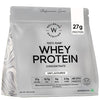 Whey Protein Concentrate 27g | 1kg | 4B CFU Probiotics | Unflavoured
₹4,499 – ₹8,998
Whey Protein Concentrate 27g | 1kg | 4B CFU Probiotics | Unflavoured
₹4,499 – ₹8,998
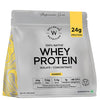 Whey Protein Isolate + Concentrate 24g | 1kg | 4B CFU Probiotics | Mango Flavoured
₹4,499 – ₹8,998
Whey Protein Isolate + Concentrate 24g | 1kg | 4B CFU Probiotics | Mango Flavoured
₹4,499 – ₹8,998
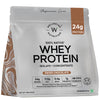 Whey Protein Isolate + Concentrate 24g | 1kg | 4B CFU Probiotics | Swiss Chocolate
₹4,949 – ₹9,898
Whey Protein Isolate + Concentrate 24g | 1kg | 4B CFU Probiotics | Swiss Chocolate
₹4,949 – ₹9,898
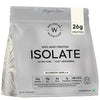 Whey Protein Isolate 26g | 1kg | 4B CFU Probiotics | Bourbon Vanilla
₹7,199 – ₹14,398
Whey Protein Isolate 26g | 1kg | 4B CFU Probiotics | Bourbon Vanilla
₹7,199 – ₹14,398