Because thirst is not the beginning of the story. It's already a late notification.
You just chugged a full glass of water and still feel parched. Or you woke up with a headache, brain fog so thick you can barely string a sentence together, and skin that looks like it aged five years overnight. Sound familiar? Here's the thing nobody tells you: by the time thirst kicks in, your body is already running on a 1 to 2 percent fluid deficit. That might sound minor, but at that level, your cognitive performance drops, your energy tanks, and your cells are already under stress.
Hydration is not just about drinking water. It is a full-body conversation happening at the cellular level, inside your skin, in your joints, your gut, your brain. This is the 360-degree breakdown your body has been waiting for.
Why "Just Drink More Water" Is Incomplete Advice
Water is the medium of life. Every single chemical reaction in your body happens in an aqueous environment. Your blood is 90 percent water. Your brain is 75 percent water. Even your bones hold around 31 percent water. But here is where it gets interesting: water alone, without the right minerals, does not actually hydrate you at the cellular level.
This is where electrolytes come in. Sodium, potassium, magnesium, and chloride are the gatekeepers that pull water into your cells through a process called osmosis. Without them, you can drink liters of plain water and still feel dehydrated because the fluid never enters the cells where it is needed. This is one of the most underappreciated reasons for dehydration even in people who drink "enough" water.
Trace minerals such as zinc, selenium, and chromium play a supporting role in fluid regulation, enzyme activation, and cellular repair. Most people are quietly deficient in these because modern diets are mineral-poor. If you are drinking water filtered through reverse osmosis, you are also stripping these minerals out entirely.
The Stages of Dehydration: A Map of What Is Happening Inside
Understanding the stages of dehydration helps you catch it before it becomes a problem.
Stage 1: Mild (1 to 2 percent fluid loss) Signs include thirst, slightly darker urine, reduced focus, and a dip in physical performance. Most people live at this stage chronically without realizing it.
Stage 2: Moderate (3 to 5 percent fluid loss) The signs and symptoms of dehydration here include headaches, muscle cramps, dry mouth, dizziness, and noticeable fatigue. Heart rate begins to increase as blood thickens slightly.
Stage 3: Severe (6 to 8 percent or more) This is severe dehydration. The signs of severe dehydration include rapid heartbeat, sunken eyes, no urination for 8 or more hours, confusion, and in extreme cases, unconsciousness. At this point, IV fluids are often necessary.
The types of dehydration worth knowing: isotonic (loss of both water and salt equally, common in diarrhea), hypertonic (more water lost than salt, often from sweating or fever), and hypotonic (more salt lost, common in over-hydration with plain water or heavy sweating without electrolyte replacement).

What Dehydration Does to Your Skin (and Why Hyaluronic Acid Is Only Half the Story)
Your skin is your largest organ and one of the first places dehydration shows up. When you are even mildly water-depleted, your skin loses turgor, meaning it becomes less plump and elastic. Fine lines become more pronounced, texture looks uneven, and that lit-from-within glow disappears.
This is why hyaluronic acid has become a skincare staple. It is a naturally occurring molecule in the body that can hold up to 1,000 times its weight in water. Topical hyaluronic acid draws moisture from the air into the skin. But here is the nuance: if your internal hydration is low, it pulls water from deeper skin layers instead, potentially making things worse. The inside-out approach matters as much as your serum.
Eating water-dense foods like cucumbers (96 percent water), watermelon (92 percent), and celery acts as slow-release hydration and also delivers natural silica, which supports collagen and skin structure.
The Overlooked Role of Omega-3s and Cellular Hydration
Here is something that rarely makes it into hydration content: your cell membranes need to be fluid and permeable for water to move in and out efficiently. Omega-3 supplements directly support this. EPA and DHA, the active forms found in fish oil and algae oil, keep cell membranes supple and porous. A rigid, omega-3-deficient cell membrane is a poorly hydrated cell, regardless of how much water you drink.
This is especially relevant for symptoms of dehydration in men, who tend to have higher muscle mass, sweat more, and often under-prioritize both dietary fat quality and overall fluid intake.
Drinks for Dehydration: What Actually Works
Not all drinks for dehydration are created equal. Here is a practical breakdown:
Coconut water is nature's electrolyte drink, rich in potassium and naturally occurring sugars that aid absorption. It is one of the best home remedies for dehydration for mild cases.
Hydration Solution / Electrolytes / ORS (Oral Rehydration Solution) is the gold standard for moderate to severe cases. It uses a precise ratio of glucose and sodium to maximize absorption through the gut's sodium-glucose cotransporter. This is the management of dehydration protocol recommended by the WHO.
Watermelon agua fresca blended with a pinch of sea salt and a squeeze of lime delivers water, natural sugars, potassium, and trace sodium, an incredibly practical and tasty electrolytes drink you can make at home.

Bone broth is rich in sodium, potassium, and collagen-supporting amino acids, making it one of the most nutrient-dense hydrating options, especially post-workout or post-illness.
What to limit: Caffeinated drinks act as mild diuretics. Alcohol actively suppresses ADH (antidiuretic hormone), which causes your kidneys to excrete more water than you take in. Sugary sodas spike blood sugar and draw water out of cells through osmosis, worsening cellular dehydration.
Practical Food-First Hydration: What to Actually Eat
Prioritizing your diet makes how to hydrate your body a lot more achievable. Here are a few quick hydration foods you can add to your routine.
-
Cucumber and mint salad with a pinch of Himalayan salt: hydration plus sodium and trace minerals
-
Chia seed pudding: chia seeds absorb 10 to 12 times their weight in water, forming a gel that hydrates slowly
-
Papaya with lime: high water content plus digestive enzymes that support gut hydration
-
Leafy greens smoothie with coconut water base: magnesium, potassium, and fluids together
-
Homemade electrolyte popsicles with watermelon juice, lemon, and a pinch of pink salt: a fun summer hydration hack
These are real hydration tips for summer you can implement today.
How to Actually Know If You Are Hydrated
The simplest marker: urine color. Pale straw yellow is ideal. Dark amber means you need fluids now. Completely clear can mean you are over-hydrating and flushing electrolytes.
Other markers to watch: Are your lips dry? Is your skin slow to bounce back when you pinch it? Are you going more than 4 to 6 hours without urinating? These are all signs of dehydration worth taking seriously.
Key Takeaways
- Thirst is a late signal. Your body is already 1 to 2 percent dehydrated by the time you feel it. Proactive hydration beats reactive hydration every time.
- Water without minerals does not fully hydrate cells. Electrolytes and trace minerals are non-negotiable for actual cellular hydration, not just fluid volume.
- Your skin hydration is an inside-out job. Hyaluronic acid serums work better when your internal hydration is strong. Omega-3 supplements keep cell membranes permeable enough to absorb water efficiently.
- Food is hydration. Cucumbers, watermelon, chia seeds, and leafy greens contribute meaningfully to daily fluid intake and come with bonus minerals that water alone does not deliver.
- Different contexts need different strategies. Summer heat, illness, exercise, and high-caffeine days all increase fluid and electrolyte needs. One-size hydration does not fit all situations.
Hydration is not a wellness trend. It is the foundation everything else runs on. Nail this, and a surprising number of other things start working better too.
FAQs
1. How much water should I actually drink per day?
The 8-glasses rule is outdated. Current research points to roughly 35ml per kilogram of body weight as a baseline, adjusted for activity level, climate, and diet. A 70kg person needs approximately 2.4 liters from all sources, including food.
2. Can you be dehydrated even if you drink a lot of water?
Yes. This is called cellular dehydration and happens when you lack the electrolytes needed to pull water into cells. Drinking mineral-stripped or plain water exclusively can contribute to this.
3. What are the most common dehydration causes?
Inadequate fluid intake, excessive sweating, fever, vomiting, diarrhea, high caffeine or alcohol consumption, and certain medications like diuretics are the most frequent dehydration causes.
4. What are the side effects of dehydration long-term?
Chronic mild dehydration contributes to kidney stones, urinary tract infections, constipation, poor skin aging, reduced cognitive function, joint pain, and increased risk of metabolic issues. The side effects of dehydration are far-reaching.
5. Are electrolyte drinks necessary or just a trend?
Necessary in specific contexts: intense exercise over 60 minutes, illness with fluid loss, very hot climates, or high-sweat scenarios. For average daily hydration, electrolyte-rich foods and mineral water often suffice.
6. How does dehydration affect mental health?
Even mild dehydration raises cortisol levels and increases anxiety. Research shows a direct link between fluid status and mood regulation, making hydration a legitimate mental wellness tool.
7. What is the fastest way to rehydrate?
Hydration solution/ electrolyte drinks or ORS are clinically the fastest method for moderate dehydration. For mild cases, an electrolyte drink with glucose (like coconut water with a pinch of salt and honey) works quickly because glucose enhances sodium and water absorption in the gut.
8. Does coffee count toward daily hydration?
Partially. The diuretic effect of caffeine is real but modest. A cup of coffee contributes net fluid, but should not replace water. Two or more cups increase hydration needs slightly.
9. Is hyaluronic acid supplementation worth it for hydration?
Oral hyaluronic acid has growing evidence behind it for improving skin moisture levels and joint lubrication. Combined with adequate water intake, it supports both skin and connective tissue hydration from within.
10. How to overcome dehydration during summer specifically?
Start mornings with a glass of water with a pinch of sea salt and lemon. Eat one hydrating fruit daily. Avoid peak sun hours. Carry an electrolyte sachet if spending extended time outdoors. These simple hydration tips for summer make a measurable difference.

Recommended Products
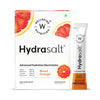 Hydrasalt
₹639 – ₹1,278
Hydrasalt
₹639 – ₹1,278
 Hydrasalt Blood Orange (Pack of 15)
₹639 – ₹1,278
Hydrasalt Blood Orange (Pack of 15)
₹639 – ₹1,278
 Hydrasalt Cucumber Lemonade (Pack of 15)
₹639 – ₹1,278
Hydrasalt Cucumber Lemonade (Pack of 15)
₹639 – ₹1,278
 Hydrasalt Raspberry Lemon (Pack of 15)
₹639 – ₹1,278
Hydrasalt Raspberry Lemon (Pack of 15)
₹639 – ₹1,278