You can eat spinach, dal, and pomegranate every single day and still walk around with iron deficiency. The problem isn't always what's on your plate. It's what your body actually lets in.
The part everyone gets wrong about iron
Most people treat iron deficiency as a math problem. Eat more iron, fix the number. But iron absorption in body works nothing like a simple deposit into a bank account. Out of the iron in an average Indian thali, your gut typically absorbs somewhere between 1–6% of it, depending on the source, what you ate alongside it, and what's happening inside your gut that day (NIH). Two people can eat the exact same meal and absorb wildly different amounts.
This is why iron deficiency on paper (a low ferritin or hemoglobin number) can have very different root causes. Some people genuinely aren't eating enough iron-rich food. But a large number are eating enough and still testing low, because the iron they consume never makes it past the gut wall. Both situations end in the same diagnosis. They need different fixes.

What's actually happening inside your gut
There are two forms of dietary iron: heme iron, from animal sources like meat and eggs, and non-heme iron, from plant sources like dal, spinach, and fortified cereals. Heme iron is absorbed relatively efficiently, often above 15%. Non-heme iron is the one that struggles, frequently absorbed at rates below 10%, and for most vegetarian Indian diets, non-heme iron is the primary source on the plate (NIH).
Non-heme iron has to be converted from its ferric form to its ferrous form before your intestinal cells can transport it through. This conversion is where most of the leakage happens. Certain compounds in food act like locks on the door: tannins in tea and coffee, phytates in whole grains and legumes, and calcium in dairy all bind to non-heme iron and block it from being absorbed.

There's also an internal regulator most people have never heard of a liver hormone called hepcidin. When your body senses enough iron stores, hepcidin rises and actively shuts down absorption at the gut lining, even if you keep eating iron-rich food.
When inflammation is present in the body, from a lingering infection, gut irritation, or chronic low-grade inflammation, hepcidin also rises as a side effect, choking off absorption regardless of your iron stores. This is one of the lesser-known causes of iron deficiency anemia: a body that is inflamed enough to block its own iron uptake.
Poor gut health compounds this further. Conditions that affect the small intestine, where most iron absorption happens, are a well-documented disease due to deficiency of iron pathway. Low stomach acid, whether from age, medication, or chronic acid reflux treatment, also reduces the conversion of iron into its absorbable form, making this one of the quieter iron deficiency diseases connections that rarely gets flagged.
Signs of iron deficiency that get dismissed as "just tired"
Signs of iron deficiency are often written off as normal fatigue, especially in women managing periods, work, and household load simultaneously. The pattern is worth paying attention to:
-
Persistent tiredness that doesn't improve with sleep
-
Pale skin or inner eyelids
-
Brittle nails
-
Hair thinning or shedding more than usual
-
Cold hands and feet
-
Restless legs at night
-
Unusual cravings for ice or starchy, non-food items
-
Breathlessness on stairs you used to climb
Cravings for ice, called pagophagia, are one of the more specific iron deficiency anemia symptoms on record.
Researchers still don't fully understand the mechanism, but it's common enough in clinical iron studies that doctors ask about it directly.
What to eat for iron deficiency, and how to make it count
What to eat for iron deficiency matters less than what you eat it with. Pairing is where the real leverage is.
Vitamin C is the single most effective, evidence-backed way for how to increase absorption of iron. It converts non-heme iron into a form your gut absorbs far more easily. A squeeze of lemon over dal, amla with your iron-rich meal, or a small bowl of citrus fruit alongside spinach sabzi can meaningfully shift how much iron your body actually keeps.
Practical steps for how to increase iron absorption in body:
-
Pair iron-rich foods (dal, rajma, spinach, ragi, jaggery) with a vitamin C source in the same meal, not hours apart
-
Move tea and coffee to at least an hour before or after meals, not during
-
Cook in cast iron cookware occasionally, which can meaningfully raise the iron content of acidic foods like tomato-based curries
-
Space calcium-rich foods and dairy away from your main iron meal of the day
-
Address underlying gut inflammation or acid reflux rather than only increasing iron intake
For how to cure iron deficiency that's already established, food alone often isn't enough to rebuild stores, especially when absorption is the underlying issue rather than intake.
This is where iron capsules come in as a next step, not a first resort. Look for forms designed around absorption, not just elemental iron content on the label. Iron strips, a fast-dissolving oral format, are also gaining ground for people who find capsules hard on the stomach, since they bypass some of the digestive irritation that traditional iron tablets are known for.
How to improve iron deficiency for good
How to improve iron deficiency long-term is a combination of three things working together: adequate intake, smart pairing to maximise absorption, and, where needed, an absorption-friendly supplement format taken consistently rather than sporadically.
Getting a ferritin test rather than relying on hemoglobin alone gives a clearer picture, since ferritin reflects actual iron stores and often drops before hemoglobin does.
Key Takeaways
-
Iron deficiency is frequently an absorption problem, not just an intake problem, even in people eating iron-rich diets
-
Tannins in tea and coffee can block over half of a meal's iron absorption when consumed together
-
Hepcidin, a liver hormone, actively shuts down iron absorption in body during inflammation, regardless of dietary intake
-
Vitamin C is the most reliable, evidence-backed way to improve iron absorption from plant-based meals
-
Ice cravings (pagophagia) are a specific, often-missed sign among iron deficiency anemia symptoms
-
Alternate-day dosing of iron capsules can outperform daily dosing for total absorption
Conclusion
Iron deficiency rarely announces itself as a diet problem. It shows up as fatigue you've stopped questioning, hair that sheds a little more each month, and a hemoglobin number that dips even when your thali looks fine. The fix isn't always eating more iron. It's eating it smarter, and giving your gut a fair shot at actually using what you give it.
FAQ Section
What is iron deficiency?
Iron deficiency is a condition where the body's iron stores fall below what's needed to produce enough hemoglobin, the protein in red blood cells that carries oxygen. It exists on a spectrum, starting with depleted ferritin stores and progressing to iron deficiency anemia if left unaddressed.
What are the main causes of iron deficiency anemia?
Causes of iron deficiency anemia include inadequate dietary intake, heavy menstrual blood loss, pregnancy, gastrointestinal blood loss, and poor iron absorption due to gut inflammation, low stomach acid, or compounds in food like tannins and phytates that block uptake.
What are the earliest signs of iron deficiency?
Signs of iron deficiency often start subtly: persistent fatigue, pale inner eyelids, brittle nails, hair thinning, cold extremities, and unusual cravings for ice. Breathlessness during mild exertion is another early marker people tend to overlook.
What to eat for iron deficiency if I'm vegetarian?
What to eat for iron deficiency on a vegetarian diet includes dal, rajma, spinach, ragi, jaggery, and pumpkin seeds, always paired with a vitamin C source like lemon, amla, or citrus fruit to improve non-heme iron absorption.
How to increase iron absorption in the body naturally?
How to increase iron absorption in body naturally comes down to pairing iron-rich meals with vitamin C, avoiding tea or coffee within an hour of eating, cooking in cast iron cookware, and separating dairy or calcium-rich foods from your main iron meal.
Why does tea reduce iron absorption?
Tannins in tea bind to non-heme iron in the gut, forming a compound the body can't absorb. Drinking tea with or right after a meal can cut iron absorption from that meal by more than half.
Can I have iron deficiency even if I eat enough iron-rich food?
Yes. This is one of the most missed iron deficiency causes. Absorption issues from gut inflammation, low stomach acid, or high hepcidin levels can block iron uptake even when dietary intake looks sufficient on paper.
Are iron capsules or iron strips better for absorption?
Iron capsules and iron strips both deliver supplemental iron, but strips are a fast-dissolving format that some people tolerate better if capsules cause stomach discomfort. The more important factor for either format is dosing pattern and pairing with vitamin C.
How to cure iron deficiency once it's already low?
How to cure iron deficiency that's already established usually requires a combination of dietary correction, absorption-friendly pairing, and supplementation with iron capsules or iron strips, along with addressing any underlying cause like gut inflammation or blood loss.
What disease is caused by deficiency of iron?
The primary disease due to deficiency of iron is iron deficiency anemia, but chronic untreated deficiency can also contribute to impaired immune function, cognitive fatigue, and reduced exercise tolerance over time.

Recommended Products
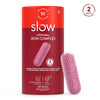 Liposomal Iron Complex |Pack of 60 Capsules
₹969 – ₹1,898
Liposomal Iron Complex |Pack of 60 Capsules
₹969 – ₹1,898
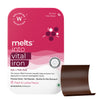 Vital Iron
₹649 – ₹1,298
Vital Iron
₹649 – ₹1,298