Let's start with a number that should stop you mid-scroll: your gut is home to roughly 38 trillion bacterial cells, almost matching the total number of human cells in your entire body. You are, biologically speaking, as much microbe as you are "you." And here's the part nobody tells you at the dinner table: what you eat today is literally voting on which bacteria survive in there tomorrow.
This isn't wellness fluff. In 2021, a landmark Stanford study published in the journal Cell put this to the test. One group ate fiber-rich foods, another ate fermented foods like yogurt, kefir, and kimchi. The fermented food group saw a measurable increase in microbiome diversity and a real drop in inflammatory markers within just 10 weeks. The fiber group, surprisingly, didn't see the same shift. That study alone changed how nutritionists talk about gut health. [NIH]
So why are we suddenly obsessed with sauerkraut, kombucha, and miso soup? Because the science finally caught up to what Korean grandmothers, Indian kitchens, and Eastern European households have known for centuries. Fermentation isn't a trend. It's one of humanity's oldest food technologies, and it's making a serious comeback for a very good reason.
The Gut Is Running the Show More Than You Think
Around 70% of your immune system lives in your gut. About 90 percent of your body's serotonin, the "feel good" neurotransmitter, is produced there too, not in your brain. This gut-brain connection is called the gut-brain axis, and it's why chronic gut inflammation is now being linked to anxiety, brain fog, and even mood disorders in ongoing research.
Yet modern diets are quietly wrecking this ecosystem. Processed foods, excess sugar, antibiotics, chronic stress, and low fiber intake are all shrinking microbial diversity generation after generation. Some researchers estimate that people in industrialized nations have lost up to 30 to 50% of the microbial diversity our ancestors carried. [NIH] That's a real, structural change in the human gut, not a lifestyle myth.
This is exactly where fermented foods step in and start doing serious repair work.
What Fermentation Actually Does
Fermentation is a controlled process where bacteria, yeast, or other microbes break down sugars and starches in food. In doing so, they create live probiotic cultures, beneficial acids, and easier-to-absorb nutrients. This is different from just "healthy food." Fermented food is alive, active, and metabolically working for you the moment it hits your gut.
The advantages of fermented foods go beyond digestion. Research links regular intake to better nutrient absorption (B vitamins and vitamin K2 are often synthesized during fermentation), reduced bloating, stronger immune response, and even improved skin clarity, since gut inflammation frequently shows up on the skin first.
The Health Benefits of Fermented Foods, Backed by Data
Here's what studies are consistently showing:
Better digestion and reduced bloating, since probiotic strains help break down lactose and complex carbs that would otherwise sit and ferment uncomfortably in your gut.
Stronger immunity, because a diverse gut microbiome trains immune cells to respond appropriately instead of overreacting, which is tied to lower rates of allergies and autoimmune flare-ups.
Improved mental clarity and mood stability, through the gut-brain axis connection mentioned earlier.
Better blood sugar regulation. A 2023 review found fermented dairy consumption was associated with a lower risk of type 2 diabetes, likely due to improved insulin sensitivity. [Science Direct]
Lower inflammation markers, specifically CRP and IL-6, both linked to chronic disease risk when elevated long term.
These aren't marginal benefits. This is foundational, whole-body maintenance.

Types of Fermented Foods You Can Actually Find and Eat
You don't need an exotic grocery run. Here are practical, easy-to-source options:
Yogurt and kefir, look for "live active cultures" on the label, plain and unsweetened is best.
Kimchi and sauerkraut, both are fermented cabbage powerhouses loaded with lactobacillus strains.
Miso and tempeh, fermented soy options that double as complete plant protein sources. Kombucha, a fermented tea, just watch the sugar content on store-bought bottles.

Natto, fermented soybeans, an acquired taste but nutritionally dense. Sourdough bread, traditionally fermented, easier on digestion than regular bread.
Traditional pickles, the kind fermented in brine, not the vinegar-based quick pickles on most store shelves.
Idli and dosa batter, made from naturally fermented rice and urad dal, a daily staple across South India that doubles up as a gut-friendly breakfast.
Dhokla, a fermented gram flour snack from Gujarat, light, steamed, and easy on digestion.
Curd or dahi, homemade and set fresh daily in most Indian households, one of the simplest and most accessible probiotic sources around.
Kanji, a fermented drink made from black carrots or beetroot with mustard seeds, popular in North India especially during winter.
Handvo, a fermented and baked savory cake made from a mixed lentil and rice batter, another Gujarati staple.
Fermented rice water, or the leftover water from soaked and lightly fermented rice, traditionally used in parts of East and South India for a mild probiotic boost.

Building a Day Around This, Realistically
Morning: Start with plain kefir or yogurt with berries instead of a sugary cereal. This sets your gut up early instead of hitting it with refined sugar first thing.
Midday: Add a spoon of kimchi or sauerkraut as a side to your lunch. It takes seconds and instantly upgrades a regular meal.
Afternoon: Swap your usual soda or juice for a low-sugar kombucha.
Evening: Miso soup or a small serving of tempeh stir-fry works beautifully as a light dinner option that's gentle on digestion before bed.
On days when your plate genuinely can't cover the gap, whether it's travel, a packed schedule, or just not having access to fresh fermented options, this is where a lot of people quietly lean on probiotic capsules or prebiotic probiotic tablets as a backup layer, not a replacement. Think of them as an insurance policy for your gut on inconsistent days, not a shortcut around real food.
Lifestyle matters just as much as diet here. Chronic stress alone can shift your gut bacteria composition within days. Poor sleep does the same. Pairing fermented foods with 7 to 8 hours of sleep, regular movement, and stress management multiplies the benefit rather than just adding to it.
Something Most People Don't Know
Not all fermented foods contain live probiotics by the time they reach you. Pasteurization, baking, and high-heat cooking kill the live cultures. That means most beer, wine, commercially baked bread, and canned sauerkraut on regular grocery shelves have zero live bacteria left, even though they were fermented at some point. Always check for "raw," "unpasteurized," or "live cultures" on the label if the goal is gut benefit.
Key Takeaways
-
Your gut houses trillions of bacteria that directly influence immunity, mood, and digestion, and fermented foods actively feed and diversify this ecosystem.
-
Stanford research confirmed fermented foods increase microbiome diversity and lower inflammation markers within weeks.
-
Practical options like yogurt, kimchi, miso, and kefir are easy to add into daily meals without overhauling your entire diet.
-
Look for "live cultures" or "unpasteurized" labels, since heat and pasteurization kill the beneficial bacteria in many store-bought products.
-
Diet, sleep, and stress management work together, and probiotic capsules or prebiotic probiotic tablets can support consistency on days whole food options aren't accessible.
FAQs
1. What are the main benefits of fermented foods?
Improved digestion, stronger immunity, better nutrient absorption, and support for mental clarity through the gut-brain connection.
2. How much fermented food should I eat daily?
Most experts suggest one to three servings a day, such as a cup of yogurt, a small portion of kimchi, or a glass of kefir.
3. Can fermented foods help with bloating?
Yes, probiotic strains help break down carbohydrates that otherwise cause gas and bloating during digestion.
4. Are fermented foods safe for everyone?
Generally yes, but people with histamine intolerance or compromised immune systems should consult a doctor first.
5. What's the difference between probiotics and prebiotics?
Probiotics are live beneficial bacteria, while prebiotics are the fiber compounds that feed those bacteria. Both work together for gut health.
6. Do probiotic capsules work as well as fermented foods?
They can help maintain gut bacteria levels, especially when whole food options aren't available, but they work best alongside, not instead of, real food.
7. Which fermented food is best for beginners?
Plain yogurt or kefir, since they're mild in taste and widely available.
8. Can fermented foods improve skin health?
Indirectly, yes. Since gut inflammation often reflects on skin, a healthier microbiome can support clearer skin over time.
9. Is kombucha actually healthy?
In moderation and with low sugar content, yes. Always check the label since some brands add significant sugar.
10. How long does it take to see benefits from fermented foods?
Some studies show measurable microbiome changes within 2 to 4 weeks of consistent intake, though full benefits build over months.

Recommended Products
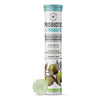 Probiotic + Prebiotic
₹664 – ₹3,355
Probiotic + Prebiotic
₹664 – ₹3,355
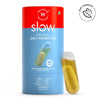 Daily Probiotic Slow
₹1,357 – ₹2,658
Daily Probiotic Slow
₹1,357 – ₹2,658