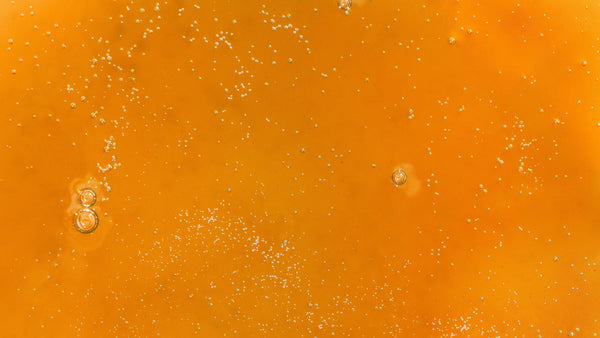
A tiny orange berry growing on thorny shrubs in the harsh Himalayan landscape has quietly earned a place in modern wellness. Long before it appeared in juices, supplements and skincare products, sea buckthorn was valued by traditional healing systems for its remarkable ability to thrive where few other plants could.
For centuries, Tibetan and Mongolian medicine used the sea buckthorn berry to support overall vitality and recovery.

Decades later, Russian scientists explored Himalayan Sea buckthorn and related varieties for their potential to support people exposed to extreme environmental conditions, including astronauts and military personnel.
Today, sea buckthorn products are available as juices, oils, capsules and concentrates. Understanding why requires looking beyond the label and exploring what makes this berry so unique.
What Is Sea Buckthorn?
If you've ever wondered what is sea buckthorn, you're not alone.
Sea buckthorn is the fruit of Hippophae rhamnoides, a hardy shrub that grows across cold, mountainous regions of Europe and Asia. In India, it flourishes naturally in Ladakh and other Himalayan regions, where freezing temperatures, intense sunlight and low oxygen levels create one of the toughest environments for plant survival.
The bright orange sea buckthorn fruit may be small, but every part of it has a purpose. The pulp contains naturally occurring vitamin C, polyphenols and organic acids. The seeds are rich in essential fatty acids, while the whole berry provides an impressive diversity of vitamins, carotenoids, flavonoids and plant sterols (NIH).
Depending on how it's processed, the same fruit can produce several different products.
-
Sea buckthorn juice is made from the fruit pulp and naturally contains water-soluble nutrients such as vitamin C and polyphenols.
-
Sea buckthorn pulp retains much of the fruit's fibre and bioactive compounds.
-
Sea buckthorn oil can be extracted either from the seeds or the fruit pulp, each offering a slightly different fatty acid profile.
-
Concentrated extracts combine selected compounds into convenient supplement formats.
Although these products differ in composition, they all originate from the same remarkable berry.
Why is Sea Buckthorn So Nutritionally Unique?
Almost every fruit contains vitamins and antioxidants.
What makes sea buckthorn different isn't that it has one extraordinary nutrient.
It contains an unusually wide variety of bioactive compounds working together.
Researchers have identified more than 190 naturally occurring bioactive compounds in sea buckthorn, including essential fatty acids, vitamins, carotenoids, flavonoids, polyphenols, amino acids, minerals and plant sterols.
But why does this berry produce so many protective compounds in the first place?
The answer lies in where it grows.
High-altitude Himalayan regions expose plants to intense ultraviolet radiation, freezing winters, dry winds and limited water availability. To survive these conditions, sea buckthorn has evolved its own natural defence system. It produces a diverse range of molecules that protect its cells against environmental stress.
Interestingly, many of these same compounds also participate in normal biological processes within the human body.
Rather than acting as a single "magic ingredient," sea buckthorn provides a nutritional network where different compounds support different physiological functions.
Some contribute structural fats used in cell membranes. Others help protect cells from oxidative stress, while several serve as cofactors for essential enzyme reactions.
This complexity is one of the reasons sea buckthorn has attracted increasing scientific interest over the past two decades.
Some of its key naturally occurring compounds include (NIH):
|
Compound |
Primary biological role |
|
Omega-3, 6, 7 and 9 fatty acids |
Structural components of healthy cell membranes |
|
Vitamin C |
Required for collagen synthesis and immune function |
|
Vitamin E |
Protects fats within cell membranes from oxidation |
|
Carotenoids |
Naturally occurring antioxidants that support skin and eye health |
|
Polyphenols |
Help maintain oxidative balance |
|
Flavonoids |
Support vascular and cellular health |
|
Plant sterols |
Contribute to healthy cholesterol metabolism |
Instead of relying on a single nutrient, sea buckthorn delivers multiple compounds that complement one another, much like an orchestra where every instrument contributes to the final performance.
What Happens When You Consume Sea Buckthorn?
To understand why daily intake matters, it helps to follow the journey of sea buckthorn inside your body.
It begins in your digestive system.
Whether you choose sea buckthorn juice, capsules or concentrated extracts, digestion is the first step.
Water-soluble nutrients such as vitamin C dissolve easily, while fat-soluble compounds including carotenoids, vitamin E and healthy fatty acids require dietary fat for optimal absorption. This is why many experts recommend taking sea buckthorn juice or supplements alongside a meal instead of on an empty stomach (NIH).
Healthy fats become part of your cells
One of the most distinctive characteristics of sea buckthorn is that it naturally contains omega-6, omega-7, omega-9, and omega-3 fatty acids.
These aren't simply used as fuel.
Every cell in your body is surrounded by a membrane made largely of fats. These membranes regulate what enters and leaves the cell while maintaining its structure and flexibility.
When dietary fatty acids are absorbed, they gradually become incorporated into these membranes as older lipids are replaced. This continuous renewal is one reason why nutritional changes happen gradually rather than overnight (NIH).
Instead of producing immediate results, consistent intake supplies the building blocks your body uses every day.
Vitamin C supports collagen production
Many people associate vitamin C only with immunity, but its role extends much further.
Your body continuously builds collagen, the structural protein found in skin, blood vessels, bones and connective tissues. During this process, specialised enzymes require vitamin C to function efficiently.
Without adequate vitamin C, collagen fibres cannot mature properly.
As a naturally rich source of this vitamin, sea buckthorn fruit contributes to the nutrients involved in this ongoing process (NIH).
Carotenoids help defend against oxidative stress
The vibrant orange colour of the sea buckthorn berry isn't just visually striking.
It's created by carotenoids, naturally occurring pigments that protect the fruit against intense sunlight in high-altitude environments.
After consumption, these pigments are absorbed and distributed to various tissues, where they contribute to the body's antioxidant defence system. Because carotenoids gradually accumulate within tissues over time, their effects are typically associated with consistent intake rather than occasional consumption (NIH).
Polyphenols interact with your gut microbiome
Not every compound in sea buckthorn is absorbed directly into the bloodstream.
Many polyphenols first reach the large intestine, where they interact with beneficial gut bacteria. These microbes transform them into smaller metabolites that can then be absorbed and utilised throughout the body.
Scientists continue to explore this relationship between plant polyphenols and the gut microbiome, making it one of the most exciting areas of nutritional research today (NIH).
Why Daily Intake Matters More Than Occasional Use
Most nutrients don't work like painkillers. You don't take them once and expect an immediate change. Instead, they become part of your body's normal maintenance system.
The same is true for sea buckthorn.
Every day, your body repairs cells, builds collagen, renews the gut lining and protects itself against oxidative stress. Many of the nutrients found in sea buckthorn juice contribute to these ongoing processes, which is why consistency matters more than taking it occasionally.
Vitamin C, for example, isn't stored in large amounts by the body. Any excess is excreted, which means regular intake is essential to maintain adequate levels.
Healthy fatty acids follow a different path. Once absorbed, they gradually become incorporated into cell membranes as older lipids are naturally replaced. This is a continuous process, not something that happens overnight.
Carotenoids also accumulate gradually in tissues. Research shows that maintaining regular intake is more effective than consuming large amounts infrequently.
This explains why nearly all clinical studies evaluating sea buckthorn use daily supplementation over several weeks or months. Researchers aren't looking for an instant effect. They're observing how consistent intake supports normal biological functions over time.
For most healthy adults, incorporating sea buckthorn into a daily routine aligns with both traditional use and modern research.

The Bottom Line
So, can I take sea buckthorn daily?
For most healthy adults, yes.
Centuries of traditional use, combined with growing scientific evidence, suggest that daily consumption of sea buckthorn is generally safe when taken within recommended amounts.
Unlike nutrients that promise quick results, the compounds found in sea buckthorn work alongside your body's normal biological processes. Healthy fats gradually become part of cell membranes, carotenoids accumulate over time, and vitamin C contributes to everyday collagen production and antioxidant defence.
Whether you choose sea buckthorn juice, capsules or oil, consistency is far more valuable than taking large amounts occasionally.
As with any supplement, quality matters. Choosing well-formulated sea buckthorn products made from carefully processed berries helps ensure you're getting the naturally occurring bioactive compounds that make this Himalayan berry so unique.
FAQ Section
Is it safe to take sea buckthorn every day?
For most healthy adults, yes, clinical studies running from four weeks to 90 days have used daily dosing without significant safety concerns. The exceptions are people on blood thinners, with bleeding disorders, low blood pressure, or upcoming surgery, who should check with a doctor first.
What does sea buckthorn do in the body?
Its two headline mechanisms are omega-7 (palmitoleic acid), which supports skin and gut barrier repair, and a high vitamin C load, which is a required cofactor for collagen production. It also contributes carotenoids and flavonoids with antioxidant activity.
How much sea buckthorn should I take per day?
Studies have used roughly 1–5 grams of oil daily, or up to around 90ml of juice or puree, depending on the form and goal. Higher doses haven't shown better results and, in at least one case report, led to temporary skin discolouration.
Is sea buckthorn good for skin?
Yes, its omega-7 content supports the skin's barrier function, while vitamin C supports collagen synthesis. Most visible texture changes take 6–8 weeks of consistent use, whether applied topically as oil or taken internally.
How do I use sea buckthorn oil for hair?
Sea buckthorn oil contains small amounts of lecithin, which may help manage excess scalp oil and improve hair's appearance and elasticity over time. It's typically massaged into the scalp or added to a carrier oil rather than used alone.
Can sea buckthorn juice replace my vitamin C supplement?
It can meaningfully contribute to your vitamin C intake given its naturally high concentration, but it shouldn't fully replace a supplement if you have a specific deficiency, the exact vitamin C content varies significantly by variety, processing, and storage.
Are there any side effects of sea buckthorn?
Reported side effects are rare and typically mild, some studies noted digestive symptoms or joint discomfort after prolonged use. In people with high blood pressure, swelling, headache, or dizziness have occasionally been reported.
Who should avoid sea buckthorn?
People on blood-thinning medication, those with bleeding disorders, anyone with a surgery scheduled within two weeks, and pregnant or breastfeeding women should avoid it or consult a doctor first, since reliable safety data for these groups is limited.
What's the difference between sea buckthorn oil and sea buckthorn juice?
Oil is extracted mainly for its fat-soluble compounds: omega-7, vitamin E, carotenoids, and is used both topically and internally. Juice or puree retains more of the water-soluble vitamin C and flavonoid content and is taken orally, usually diluted.
Does Himalayan Sea buckthorn differ from other sources?
Himalayan-grown sea buckthorn is often cited for higher altitude stress producing more concentrated bioactive compounds, though most published clinical research doesn't isolate origin as a variable, so treat origin claims as directional rather than proven.

Recommended Products
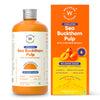 Himalayan Sea Buckthorn Juice (Pulp) with Curcumin Extract | 500ml
₹899 – ₹1,798
Himalayan Sea Buckthorn Juice (Pulp) with Curcumin Extract | 500ml
₹899 – ₹1,798
 3x Strength Omega 3 Fish Oil
₹1,199 – ₹2,398
3x Strength Omega 3 Fish Oil
₹1,199 – ₹2,398
 4x Strength Omega 3 Fish Oil
₹1,274 – ₹2,548
4x Strength Omega 3 Fish Oil
₹1,274 – ₹2,548
 6x Strength Omega 3 Fish Oil
₹1,939 – ₹3,798
6x Strength Omega 3 Fish Oil
₹1,939 – ₹3,798
 Pure Korean Marine Collagen Peptides | Unflavored | Combat Signs of Ageing
₹1,745 – ₹6,476
Pure Korean Marine Collagen Peptides | Unflavored | Combat Signs of Ageing
₹1,745 – ₹6,476