Protein powder marketing has a strange habit.
It puts women in one category, athletes in another, and plant protein somewhere in between.
But your muscles don't care whether a protein powder says women, vegan, or lean on the tub.
They care about amino acids.
And that changes the answer to a much better question:
Is plant protein good for women if the protein itself is well formulated?
Yes.
But there is a catch.
Plant proteins can differ from animal proteins in their amino acid profile, digestibility and leucine content. So the smartest approach isn't to ask whether plant protein is “better” or “worse.”
It's to understand what makes a protein nutritionally effective in the first place.
Why Protein Matters for Women
Protein isn't just a bodybuilding nutrient.
Your body breaks dietary protein down into amino acids, which become raw materials for muscle tissue, enzymes, transport proteins, antibodies and numerous other proteins your body constantly makes and replaces.
For women, maintaining muscle becomes particularly important with age.
Muscle is not merely about strength or appearance. It contributes to physical function and is an important site for glucose disposal. As women move through midlife and beyond, preserving muscle becomes increasingly relevant.
And that is where the benefits of protein for women go far beyond “building muscle.”
How Much Protein Do Women Need Per Day?
The answer isn't simply “X grams because you're a woman.”
The daily protein intake for women depends on body weight, activity level, age, physiological state and goals.
For healthy Indian adults, the ICMR-NIN reference value is 0.83 g/kg/day. That works out to about 50 g for a 60 kg woman (NIN).
But that's a baseline requirement, not necessarily the ideal target for an active woman.
For exercising women, the International Society of Sports Nutrition recommends approximately 1.4–2.2 g/kg/day, with protein distributed across the day.
So if you're wondering about protein intake for women per day, your body weight and activity level are much more informative than your sex alone.

Plant Protein vs Animal Protein: What's Actually Different?
This is where the conversation gets interesting.
All proteins are made from amino acids, but they don't all provide those amino acids in the same proportions.
Your body requires nine essential amino acids (EAAs) from food.
One particularly important amino acid for muscle is leucine, which acts as a key signal for initiating muscle protein synthesis through pathways involving mTOR. Many plant proteins contain less leucine per gram than whey and may have lower digestibility (NIH).
That doesn't make them “bad.”
It means that protein quantity and protein quality are connected.
For example, 20 g of a lower-leucine plant protein isn't necessarily the same nutritional stimulus as 20 g of a leucine-rich protein.
So, Is Plant Protein Good for Women?
Yes, and human research makes the answer more nuanced than “whey wins.”
A randomized 12-week resistance-training trial included 42 women and 19 men and compared soy protein with whey while matching the supplements for leucine. Participants taking soy received 26 g protein compared with 19 g whey to provide approximately 2 g leucine (NIH).
Both groups increased lean body mass and strength, with no significant difference between the protein groups.
That study offers an important lesson:
A plant protein may need to be formulated or dosed differently, but that doesn't mean it cannot support muscle adaptation.
A 2025 systematic review and meta-analysis of randomized trials found a small overall advantage for animal protein in muscle-mass outcomes, particularly compared with non-soy plant proteins. However, there was no significant difference between soy and milk protein for muscle mass, and there was no significant overall difference between plant and animal protein for strength or physical performance (NIH).
So the science isn't:
Plant protein is equal to every animal protein in every situation.
The accurate answer is:
Protein source, dose, amino acid profile and total intake all matter.
5 Benefits of Plant Protein for Women
1. It Makes Hitting Your Protein Target Easier
This is perhaps the biggest real-world advantage.
If you need 90 g of protein a day, getting there entirely from meals can require deliberate planning.
A protein shake can close a 20–30 g gap without asking you to eat another full meal.
And convenience isn't a trivial benefit.
Consistency is part of nutrition.
A theoretically perfect protein strategy that you can't follow is less useful than one you can repeat every day.
2. It Supports Muscle Maintenance
The goal isn't always to build more muscle.
Sometimes it's to not lose the muscle you already have.
This becomes increasingly important as women age.
Resistance training provides the mechanical stimulus. Protein supplies amino acids needed for tissue remodeling and muscle protein synthesis (NIH).
Together, they create a much stronger strategy than either one alone.
3. It Can Help During Fat Loss
When calories are reduced, preserving lean mass becomes an important consideration.
Adequate protein, particularly when paired with resistance training, can support the retention of lean tissue while body weight is reduced.
A protein powder can make this easier because it provides concentrated protein without requiring a large increase in food volume (NIH).
But protein isn't a fat-loss ingredient.
It is a tool for meeting protein needs within an overall energy-controlled diet.
4. It Becomes More Relevant Around Midlife
Menopause doesn't create a special protein requirement overnight.
But changes in muscle metabolism and body composition make muscle preservation increasingly important.
The female-athlete position stand recommends protein intakes toward the middle-to-upper end of the sports nutrition range, 1.4–2.2 g/kg/day, across pre-, peri- and post-menopausal stages for exercising women (NIH).
5. It Can Be Especially Useful for Plant-Based Diets
A well-planned vegetarian or vegan diet can provide adequate protein.
But higher protein targets can require more attention to food choices and portions.
A protein powder can make that equation easier, particularly for women who exercise regularly or have difficulty eating large quantities of protein-rich foods.
What Makes the Best Protein Powder for Women?
If you're searching for which protein powder is best for women, don't start with the pink packaging.
Start with the nutrition panel.
Look for:
-
Protein per serving: A meaningful dose, often around 20–30 g depending on your individual target.
-
Essential amino acids: Especially relevant if your goal is muscle maintenance or growth.
-
Leucine: Particularly important for stimulating muscle protein synthesis.
-
Protein source: Soy, pea, rice and other plant proteins have different amino acid profiles.
-
Protein blends: Combining complementary sources can help improve the overall amino acid pattern.
-
Added sugar: A protein powder doesn't need to become a dessert with gym branding.
-
Digestibility: A product that consistently causes bloating isn't a good long-term fit, regardless of how impressive its protein number looks.
-
Quality testing: Look for transparent labelling and credible manufacturing and contaminant controls.
What About Soy and Women's Hormones?
This is where plant protein meets one of the most persistent nutrition myths.
Soy contains isoflavones, which are classified as phytoestrogens because they can interact with estrogen receptors.
But “phytoestrogen” does not mean “human estrogen.”
A 2025 systematic review and meta-analysis of randomized controlled trials in postmenopausal women found that soy isoflavones did not significantly affect several measures of estrogenicity, including estradiol, FSH, endometrial thickness or vaginal maturation index.

Protein Powder for Women: Are There Side Effects?
The phrase protein powder for women side effects makes it sound like women need to worry about protein powder specifically because they're women.
They don't.
Potential issues are generally related to the protein source, formulation, dose or individual tolerance.
Bloating or digestive discomfort
Some products contain sweeteners, sugar alcohols, gums or added fibres that may cause gastrointestinal symptoms in sensitive people.
Allergies or intolerances
Soy and dairy proteins can be problematic for people with specific allergies or intolerances.
Too much protein, too little variety
Protein powder should supplement your diet, not replace vegetables, fruits, whole grains, legumes and healthy fats.
Medical conditions
People with kidney disease or other conditions affecting protein requirements should individualize their intake with a healthcare professional.
The Bottom Line
Plant protein for women can absolutely be a smart choice.
But plant-based doesn't automatically mean nutritionally superior, just as animal-based doesn't automatically mean nutritionally necessary.
What matters is the full picture:
Protein dose.
Amino acid profile.
Leucine.
Digestibility.
Total daily intake.
And consistency.
Your protein powder doesn't build muscle by itself.
Resistance training provides the signal. Protein provides the raw materials.
And for women trying to preserve muscle, support strength or simply meet a higher protein target, a well-formulated plant protein can be a very useful tool.
Key Takeaways
-
Plant protein for women can support muscle maintenance and growth when the total protein dose and amino acid profile are appropriate.
-
Daily protein intake for women depends on body weight, activity, age and life stage, not gender alone.
-
Plant proteins can be lower in leucine or less digestible than some animal proteins, but formulation and protein dose can help address these differences.
-
Soy is a high-quality plant protein, and current human evidence does not support the claim that soy protein automatically disrupts women's estrogen levels.
-
A protein blend can combine complementary plant sources to create a more balanced amino acid profile.
-
Protein powder is a convenience tool, not a replacement for a varied diet.
-
For active women, protein + resistance training is far more important than obsessing over whether the protein came from a plant or an animal.
-
The best protein powder is the one that delivers enough protein, useful amino acids, good tolerability and reliable quality.
FAQs
Is plant protein good for women?
Yes. A well-formulated plant protein can help women meet protein needs and support muscle health. The specific source, dose, amino acid profile and digestibility matter.
How much protein should a woman have per day?
The ICMR-NIN reference value for healthy Indian adults is 0.83 g/kg/day. Active women may need substantially more depending on training and goals, with sports nutrition guidance commonly recommending 1.4–2.2 g/kg/day for exercising women.
Which protein powder is best for women?
There isn't one universally best option. Look for adequate protein per serving, a strong essential amino acid profile, useful leucine content, good digestibility and reliable quality testing.
Can women take plant protein every day?
Yes, provided it fits their overall protein requirements and diet. It should complement a varied diet rather than replace whole foods.
Does plant protein make women bulky?
No. Protein powder alone does not cause excessive muscle growth. Muscle gain depends on factors including resistance training, total energy intake, protein intake, genetics and training over time.
Is whey better than plant protein for women?
Whey generally has higher leucine and digestibility, but appropriately formulated plant proteins can also support muscle. Evidence suggests soy can perform similarly to milk protein for muscle mass, while differences may exist with some other plant proteins.

Recommended Products
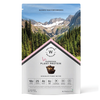 Her Superfood Plant Protein | Chocolate Peanut Butter
₹1,529 – ₹3,058
Her Superfood Plant Protein | Chocolate Peanut Butter
₹1,529 – ₹3,058
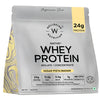 Whey Protein Isolate + Concentrate 24g | 1kg | 4B CFU Probiotics | Kesar Pista Badam
₹6,174 – ₹12,348
Whey Protein Isolate + Concentrate 24g | 1kg | 4B CFU Probiotics | Kesar Pista Badam
₹6,174 – ₹12,348
 Whey Protein Isolate + Concentrate 24g | 1kg | 4B CFU Probiotics | Swiss Chocolate
₹6,174 – ₹12,348
Whey Protein Isolate + Concentrate 24g | 1kg | 4B CFU Probiotics | Swiss Chocolate
₹6,174 – ₹12,348
 Whey Protein Isolate 31g | 1kg | 4B CFU Probiotics | Unflavoured
₹7,599 – ₹14,724
Whey Protein Isolate 31g | 1kg | 4B CFU Probiotics | Unflavoured
₹7,599 – ₹14,724
 Whey Protein Isolate + Concentrate 24g | 1kg| 4B CFU Probiotics | Cappuccino
₹6,174 – ₹12,348
Whey Protein Isolate + Concentrate 24g | 1kg| 4B CFU Probiotics | Cappuccino
₹6,174 – ₹12,348
 Plant Protein 22g | 500g | 3B CFU Probiotics | Belgian Dark Chocolate
₹1,529 – ₹3,058
Plant Protein 22g | 500g | 3B CFU Probiotics | Belgian Dark Chocolate
₹1,529 – ₹3,058