You've finally committed to your workouts.
Or maybe you spent the weekend trekking, shifted furniture, joined your first pickleball game, or got convinced by a friend to try a "quick" HIIT class.
Then the next morning happens.
Walking downstairs suddenly feels like an Olympic sport. Sitting down requires careful planning. Even laughing reminds you that muscles you never knew existed are now making themselves known.
We've all been there.
The first instinct is often to blame the workout. But soreness isn't necessarily bad. In many cases, it's a sign that your muscles are adapting.
The real question isn't whether you'll get sore.
It's what you feed your body afterward.
Because while stretching and sleep matter, your plate plays an equally important role in helping muscles repair, recover, and come back stronger.
Let's look at what muscle soreness really is and the foods that can genuinely support recovery.
First, What Is Muscle Soreness?
If you've ever wondered what is muscle soreness, you're probably experiencing something called Delayed Onset Muscle Soreness (DOMS).
DOMS usually appears 12 to 24 hours after unfamiliar or intense exercise, peaks around 24 to 72 hours, and gradually improves.
Contrary to popular belief, soreness isn't caused by lactic acid.
Instead, it happens because exercise creates tiny microscopic disruptions in muscle fibers. Your body responds with a temporary inflammatory process, sending nutrients, oxygen, immune cells, and proteins to rebuild stronger tissue.
Think of soreness as a construction site.
The better the building materials you provide, the smoother the repair process.
Can Food Really Reduce Muscle Soreness?
Food won't erase soreness overnight.
But research consistently shows that nutrition can influence:
-
Muscle protein synthesis
-
Glycogen replenishment
-
Inflammation balance
-
Oxidative stress
-
Hydration
-
Electrolyte recovery
That means choosing the right food for muscle recovery soreness can help you recover more efficiently and feel ready for your next workout sooner.
1. Protein Is Still the Recovery MVP
When people search for the best food for sore muscles, protein deserves the top spot.
Exercise increases muscle protein breakdown. Recovery requires enough amino acids to rebuild those damaged fibers.
Aim for 20 to 30 grams of high-quality protein within a few hours after exercise.
Good choices include:
-
Eggs
-
Greek yogurt
-
Cottage cheese
-
Chicken
-
Fish
-
Tofu
-
Tempeh
-
Paneer
-
Lentils
-
Edamame
Practical combinations
-
Greek yogurt with berries and pumpkin seeds
-
Paneer bhurji with multigrain toast
-
Dal with quinoa
-
Grilled salmon with roasted vegetables
-
Tofu stir fry with brown rice
If you're struggling to meet your daily protein intake, protein powders – whey protein or vegan protein can be a practical addition, especially after workouts or busy mornings.

2. Tart Cherries Are One of the Most Studied Recovery Foods
Here's something many people still don't know.
Tart cherries have become one of the most researched recovery foods in sports nutrition.
They're naturally rich in polyphenols and anthocyanins that may help reduce exercise-induced inflammation and muscle damage.
Several studies have found tart cherry juice can support faster recovery after endurance events and resistance training.
Easy ways to include them:
-
Tart cherry juice
-
Frozen tart cherries in smoothies
-
Unsweetened dried tart cherries mixed with nuts
It's not a miracle cure, but it's one of the few whole foods with consistently promising recovery research.
3. Colourful Fruits Help More Than You Think
Exercise temporarily increases oxidative stress.
That's normal.
But regularly eating colourful fruits provides antioxidants that support recovery without interfering with training adaptations when consumed through whole foods.
Choose:
-
Blueberries
-
Blackberries
-
Pomegranate
-
Kiwi
-
Oranges
-
Grapes
A lesser-known fact
Kiwis provide vitamin C while also naturally containing serotonin precursors that may support better sleep in some people.
And better sleep means better muscle recovery.
4. Don't Forget Carbohydrates
Protein often gets all the attention.
Carbohydrates deserve equal credit.
During exercise, muscles burn glycogen, which is stored carbohydrate.
Without replenishing glycogen, recovery slows and fatigue lingers.
Choose minimally processed carbohydrates like:
-
Sweet potatoes
-
Oats
-
Brown rice
-
Whole wheat roti
-
Quinoa
-
Bananas
-
Millets
A simple post-workout meal could be grilled chicken with rice or tofu with sweet potato.
Your muscles need both protein and carbohydrates to recover efficiently.
5. Omega 3 Rich Foods Can Help Balance Inflammation
Inflammation isn't the enemy.
It's part of healing.
But excessive or prolonged inflammation can make soreness feel worse.
Omega 3 fats support a healthy inflammatory response.
Good sources include:
-
Salmon
-
Sardines
-
Mackerel
-
Walnuts
-
Chia seeds
-
Flaxseeds
Try adding ground flaxseed to smoothies or sprinkle chia seeds over yogurt.

6. Magnesium Deserves More Attention
When people ask what helps sore muscles after workout, magnesium often gets overlooked.
Magnesium is involved in more than 300 enzymatic reactions, including muscle contraction, relaxation, nerve signaling, and energy production.
Low magnesium intake may contribute to muscle cramps and poor recovery in some individuals.
Food sources include:
-
Pumpkin seeds
-
Almonds
-
Cashews
-
Spinach
-
Black beans
-
Dark chocolate
-
Avocados
If your diet consistently falls short or you have increased training demands, a magnesium supplement may help fill nutritional gaps under the guidance of a healthcare professional.
7. Sea Buckthorn Is an Underrated Recovery Superfruit
Most people think oranges are the gold standard for vitamin C.
They're not.
Sea buckthorn contains up to 10 to 15 times more vitamin C than oranges, depending on the variety.
It also provides vitamin E, carotenoids, flavonoids, and beneficial omega fatty acids.
Vitamin C plays an important role in collagen formation, which supports connective tissues like tendons and ligaments, making it particularly interesting for active individuals.
8. Ginger and Turmeric Have More Than Kitchen Value
These aren't just spices.
Both contain natural plant compounds that have been widely studied for exercise recovery.
Ginger contains gingerols.
Turmeric contains curcumin.
Research suggests both may help reduce exercise-related muscle discomfort when consumed regularly as part of an overall healthy diet.
Easy ideas:
-
Fresh ginger tea
-
Turmeric milk
-
Ginger added to smoothies
-
Turmeric roasted vegetables
-
Homemade lentil soups
9. Hydration Is Recovery Nutrition Too
Muscles are roughly 75% water.
Even mild dehydration can make soreness feel worse and slow recovery.
Along with fluids, replace electrolytes lost through sweat.
Include:
-
Coconut water
-
Milk
-
Water-rich fruits
-
Homemade electrolyte drinks
-
Fruits like watermelon
Recovery isn't just about eating.
It's also about rehydrating.

A Practical One-Day Muscle Recovery Plate
|
Meal |
Recovery Idea |
|
Breakfast |
Greek yogurt, berries, oats, chia seeds |
|
Mid-morning |
Kiwi and almonds |
|
Lunch |
Grilled chicken or tofu, brown rice, spinach, roasted vegetables |
|
Evening |
Tart cherry smoothie with protein powder |
|
Dinner |
Salmon or paneer, sweet potato, broccoli |
|
Before bed |
Warm milk with turmeric or cottage cheese |
What to Do for Sore Muscles Beyond Food
If you're wondering how to reduce muscle soreness after workout, nutrition works best alongside healthy recovery habits.
Combine good nutrition with:
-
Get 7 to 9 hours of sleep
-
Stay hydrated throughout the day
-
Do light movement like walking or cycling
-
Include gentle stretching and mobility work
-
Gradually increase workout intensity instead of doing too much at once
These habits are often more effective than searching for a single quick fix.
The Bottom Line
If you're searching how to get rid of sore muscles, how to relieve sore muscles, or how to remove soreness from muscles, the answer isn't one magical food.
Recovery is a team effort.
Protein repairs muscle fibers.
Carbohydrates refill energy stores.
Colourful fruits and vegetables provide antioxidants.
Omega 3 fats help regulate inflammation.
Magnesium supports muscle function.
Hydration keeps every recovery process running efficiently.
The best recovery meal isn't complicated. It's balanced, colourful, protein-rich, and something you can realistically repeat after every workout.
Because the strongest muscles aren't built during training.
They're built during recovery.
Key Takeaways
-
Muscle soreness is caused by microscopic muscle damage and repair, not lactic acid buildup.
-
Pair protein with carbohydrates after exercise to support faster muscle recovery.
-
Tart cherries, berries, ginger, turmeric, and omega 3 rich foods provide compounds that support recovery.
-
Magnesium, hydration, and adequate sleep are just as important as protein for healthy muscle function.
-
Consistent eating habits beat occasional "superfoods." A balanced recovery plate works better than relying on any single ingredient.
Frequently Asked Questions
1. What is the best food for sore muscles?
Protein-rich foods paired with carbohydrates, such as Greek yogurt with berries or chicken with rice, are among the best choices for muscle recovery.
2. What is muscle soreness?
Muscle soreness, or DOMS, is temporary discomfort that develops after unfamiliar or intense exercise because muscles are repairing microscopic damage.
3. How to reduce muscle soreness after workout?
Eat a balanced meal with protein and carbohydrates, stay hydrated, sleep well, and keep your body moving with light activity.
4. What helps sore muscles after workout besides food?
Sleep, hydration, gentle stretching, mobility exercises, massage, and active recovery all support healing.
5. Are bananas good for sore muscles?
Yes. Bananas provide carbohydrates to replenish glycogen and potassium that supports normal muscle function.
6. Do protein powders help muscle recovery?
Yes. Protein powders can be a convenient way to meet daily protein needs, especially after exercise, when whole food options aren't readily available.
7. Can a magnesium supplement help sore muscles?
A magnesium supplement may help if your dietary intake is low or you have increased needs, but it should complement, not replace, a nutrient-rich diet.
8. Which foods are good for sore muscles and joints?
Fatty fish, berries, leafy greens, nuts, seeds, olive oil, and colourful vegetables provide nutrients that support both muscles and connective tissues.
9. How long does muscle soreness usually last?
DOMS typically peaks within 24 to 72 hours after exercise and resolves within three to five days.
10. Can eating immediately after exercise reduce soreness?
Eating a balanced meal or snack containing protein and carbohydrates within a few hours after exercise can support muscle repair and recovery, though soreness may still occur depending on workout intensity.

Recommended Products
 Whey Protein Concentrate 27g | 1kg | 4B CFU Probiotics | Unflavoured
₹4,749 – ₹9,498
Whey Protein Concentrate 27g | 1kg | 4B CFU Probiotics | Unflavoured
₹4,749 – ₹9,498
 Whey Protein Isolate + Concentrate 24g | 1kg | 4B CFU Probiotics | Kesar Pista Badam
₹6,174 – ₹12,348
Whey Protein Isolate + Concentrate 24g | 1kg | 4B CFU Probiotics | Kesar Pista Badam
₹6,174 – ₹12,348
 Whey Protein Isolate + Concentrate 24g | 1kg | 4B CFU Probiotics | Mango Flavoured
₹6,174 – ₹12,348
Whey Protein Isolate + Concentrate 24g | 1kg | 4B CFU Probiotics | Mango Flavoured
₹6,174 – ₹12,348
 Whey Protein Isolate + Concentrate 24g | 1kg | 4B CFU Probiotics | Swiss Chocolate
₹6,174 – ₹12,348
Whey Protein Isolate + Concentrate 24g | 1kg | 4B CFU Probiotics | Swiss Chocolate
₹6,174 – ₹12,348
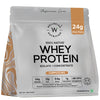 Whey Protein Isolate + Concentrate 24g | 1kg| 4B CFU Probiotics | Cappuccino
₹6,174 – ₹12,348
Whey Protein Isolate + Concentrate 24g | 1kg| 4B CFU Probiotics | Cappuccino
₹6,174 – ₹12,348
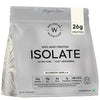 Whey Protein Isolate 26g | 1kg | 4B CFU Probiotics | Bourbon Vanilla
₹7,599 – ₹15,199
Whey Protein Isolate 26g | 1kg | 4B CFU Probiotics | Bourbon Vanilla
₹7,599 – ₹15,199
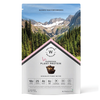 Her Superfood Plant Protein | Chocolate Peanut Butter
₹1,529 – ₹3,058
Her Superfood Plant Protein | Chocolate Peanut Butter
₹1,529 – ₹3,058
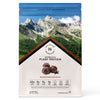 Plant Protein 22g | 500g | 3B CFU Probiotics | Belgian Dark Chocolate
₹1,529 – ₹3,058
Plant Protein 22g | 500g | 3B CFU Probiotics | Belgian Dark Chocolate
₹1,529 – ₹3,058
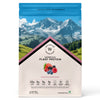 Plant Protein 22g | 500g | 3B CFU Probiotics | Canadian Mixed Berry
₹1,529 – ₹3,058
Plant Protein 22g | 500g | 3B CFU Probiotics | Canadian Mixed Berry
₹1,529 – ₹3,058
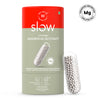 Liposomal Magnesium Glycinate (Chelated) | Pack of 60 Capsules
₹872 – ₹1,708
Liposomal Magnesium Glycinate (Chelated) | Pack of 60 Capsules
₹872 – ₹1,708
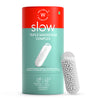 Triple Magnesium Complex
₹1,357 – ₹2,658
Triple Magnesium Complex
₹1,357 – ₹2,658
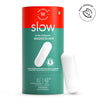 Ultra Strength Magnesium+
₹1,745 – ₹3,418
Ultra Strength Magnesium+
₹1,745 – ₹3,418