Monsoon has a personality.
One minute it brings cool breezes and chai cravings. The next, it quietly creates the perfect conditions for bacteria, viruses, and fungi to thrive. That roadside chaat you've eaten a hundred times? The leafy salad sitting a little too long? Even your kitchen sponge can become a hotspot for microbes during the rainy season.
No wonder cases of food poisoning tend to rise during the monsoon.
The good news? Preventing it doesn't require complicated rules or giving up your favourite foods forever. It simply means understanding how microbes behave when humidity rises and making a few smarter choices every day.
If you've ever wondered how to prevent food poisoning, or how can we prevent food poisoning during monsoon, this guide breaks it down into practical habits backed by science.
Why Does Food Poisoning Increase During Monsoon?
Rain itself doesn't contaminate food.
The problem is what rain creates.
Warm temperatures combined with high humidity create ideal conditions for microorganisms like Salmonella, E. coli, Campylobacter, Listeria, Staphylococcus aureus, and Vibrio species to multiply much faster than usual.
Flooding can also contaminate drinking water, fresh produce, seafood, and food preparation surfaces.
What makes monsoon tricky is that food may still look, smell, and taste completely normal while containing enough bacteria to make you sick.
What Actually Causes Food Poisoning?
Understanding the causes and prevention of food poisoning starts with knowing where contamination happens.
Food can become contaminated through:
-
Undercooked meat, poultry and seafood
-
Raw milk or unpasteurized dairy
-
Contaminated fruits and vegetables
-
Dirty cutting boards and knives
-
Unclean hands during cooking
-
Water contaminated by sewage or flooding
-
Improper refrigeration
-
Leftovers kept at room temperature for too long
During monsoon, all of these risks become slightly higher because microbes multiply much faster in moist environments.
A Surprising Fact Most People Don't Know
Many people assume spicy food kills bacteria.
Unfortunately, it doesn't.
Chillies, pepper and spices can improve flavour, but they are nowhere near powerful enough to eliminate dangerous foodborne pathogens once food is contaminated.
Similarly, squeezing lemon over contaminated food doesn't make it safe either.
Good hygiene and proper cooking remain your strongest protection.
10 Practical Ways to Prevent Food Poisoning During Monsoon
1. Eat Fresh. Eat Soon.
Freshly cooked meals are your safest option.
Leaving cooked food outside for several hours allows bacteria to multiply rapidly, especially in humid weather.
If food has been sitting out for more than two hours, or even less if it's extremely hot, it is safer not to eat it.

2. Wash Produce Better Than You Think You Need To
Rainwater often splashes contaminated soil onto vegetables and fruits.
Wash produce thoroughly under running water before cutting.
Firm fruits like apples, cucumbers and pears benefit from gentle scrubbing because bacteria often sit on the surface.
Leafy greens deserve extra attention because microbes can hide between layers.
3. Be Careful With Raw Foods
Raw salads, chutneys and uncooked garnishes become riskier during monsoon.
If you're eating outside, choose cooked vegetables instead of raw salads.
At home, prepare salads fresh and avoid leaving them uncovered for long periods.
4. Separate Raw and Cooked Foods
One cutting board for chicken.
Another for vegetables.
This simple habit dramatically reduces cross contamination.
Even a clean-looking knife can transfer harmful bacteria from raw meat to foods that won't be cooked again.
5. Cook Food Thoroughly
Heat is one of the best natural disinfectants.
Make sure poultry, seafood, eggs and meat are cooked completely.
Half-cooked kebabs, soft scrambled eggs or partially cooked seafood carry a greater risk during rainy months.
6. Don't Ignore Your Refrigerator
Humidity outside doesn't matter if your refrigerator isn't cold enough.
Keep it below 5°C and avoid overloading shelves.
Cold air needs space to circulate.
Leftovers should be cooled quickly and refrigerated within two hours.
7. Drink Safe Water
Food poisoning doesn't always come from food.
Water is often the hidden culprit.
Choose filtered, boiled or properly purified water.
Be cautious with ice from unknown sources because contaminated water frozen into cubes remains contaminated.

8. Choose Street Food Wisely
You don't have to avoid street food completely.
Instead, choose stalls where food is cooked fresh in front of you.
Skip pre-cut fruits, uncovered snacks, raw chutneys and foods sitting in open trays for hours.
The hotter the food when served, the safer it usually is.
9. Keep Your Kitchen Surprisingly Dry
Most people clean their kitchens.
Fewer people dry them.
Kitchen towels, sponges and sink areas stay damp for longer during monsoon, creating ideal conditions for bacterial growth.
Replace dishcloths frequently, sanitize sponges regularly and wipe countertops dry after cleaning.
10. Support Your Gut Before It Needs Help
A healthy gut microbiome acts as one of your body's first lines of defence.
Eating foods rich in natural fibre such as oats, bananas, lentils, apples, beans, whole grains and seasonal vegetables helps nourish beneficial gut bacteria.
Fermented foods like curd, kefir, idli, dosa batter and fermented vegetables can also contribute beneficial microbes when prepared hygienically.
If your diet regularly falls short, a quality fiber supplement, gut health supplement, probiotic capsules, or prebiotic probiotic tablets may help support a healthy gut microbiome alongside a balanced diet. They are not a treatment for food poisoning, but they can support overall digestive health.

Monsoon-Friendly Foods That Are Generally Safer
These foods are practical, nourishing and relatively lower risk when prepared properly:
|
Choose More Often |
Why They Work |
|
Fresh homemade khichdi |
Easy to digest and served hot |
|
Vegetable soups |
High cooking temperature lowers microbial risk |
|
Steamed idlis |
Freshly cooked and low in added oil |
|
Oats porridge |
Rich in soluble fibre that supports gut health |
|
Cooked dal and rice |
Nutritious and easy on digestion |
|
Fresh curd |
Contains beneficial cultures when properly stored |
|
Bananas |
Naturally protected by their peel |
|
Roasted makhana |
Low moisture snack with longer shelf stability |
|
Herbal teas |
Warm beverages prepared with boiled water |
Foods Worth Limiting During Monsoon
Some foods become riskier because moisture encourages microbial growth.
Consider limiting:
-
Raw sprouts
-
Unwashed leafy salads
-
Cut fruits sold outdoors
-
Seafood from unreliable sources
-
Buffet food sitting out for long periods
-
Reheated leftovers multiple times
-
Street-side juices with ice
-
Unpasteurized milk
What If You Think You Have Food Poisoning?
Common symptoms include:
-
Nausea
-
Vomiting
-
Diarrhoea
-
Stomach cramps
-
Fever
-
Weakness
Most mild cases improve with hydration and rest.
However, seek medical attention promptly if symptoms are severe, bloody diarrhoea develops, vomiting prevents you from keeping fluids down, high fever occurs, or symptoms last beyond a couple of days. Young children, older adults, pregnant women and people with weakened immune systems should be especially cautious.
Oral rehydration solutions can help replace lost fluids and electrolytes if diarrhoea or vomiting occurs.
The Bottom Line
Learning how can we prevent food poisoning isn't about living in fear of food.
It's about understanding that monsoon changes the environment around us.
Choosing freshly cooked meals, storing food correctly, washing produce thoroughly, drinking safe water and supporting your gut health can significantly reduce your risk.
Small habits, repeated consistently, often make the biggest difference.
Because during monsoon, the safest meal isn't necessarily the fanciest one. It's the one that's handled with care from kitchen to plate.
Key Takeaways
-
Freshly cooked food is your safest bet. Avoid meals that have been sitting at room temperature for long periods.
-
Water matters as much as food. Drink only clean, filtered or boiled water and avoid ice from uncertain sources.
-
Raw foods need extra caution. Leafy greens, salads, sprouts and cut fruits carry a higher contamination risk during monsoon.
-
Kitchen hygiene prevents hidden contamination. Clean and dry sponges, towels, chopping boards and countertops regularly.
-
A healthy gut starts with your plate. Fibre-rich foods, fermented foods and, when appropriate, a fiber supplement, gut health supplement, probiotic capsules, or prebiotic probiotic tablets can support digestive wellness as part of a balanced lifestyle.
Frequently Asked Questions
1. How to prevent food poisoning during monsoon?
Eat freshly cooked meals, wash produce thoroughly, drink safe water, refrigerate leftovers promptly and maintain good kitchen hygiene.
2. What are the most common causes of food poisoning?
The main causes include contaminated water, undercooked meat, poor food storage, cross contamination, dirty hands and improperly washed fruits and vegetables.
3. How can we prevent food poisoning at home?
Practice hand washing, cook food thoroughly, keep raw and cooked foods separate, refrigerate leftovers quickly and clean kitchen surfaces regularly.
4. Is street food safe during the rainy season?
It can be if the food is freshly cooked, served hot and prepared in hygienic conditions. Avoid raw toppings, uncovered foods and beverages made with questionable ice.
5. Can refrigerated food still cause food poisoning?
Yes. If food is stored too long, kept above safe refrigerator temperatures or contaminated before refrigeration, bacteria may still grow.
6. Which foods are safest to eat during monsoon?
Freshly prepared soups, khichdi, dal, steamed foods, oats, bananas, properly stored curd and home cooked meals are generally safer choices.
7. Does spicy food protect against food poisoning?
No. Spices add flavour but do not reliably kill harmful bacteria or make contaminated food safe to eat.
8. Can probiotics prevent food poisoning?
Probiotics support a healthy gut microbiome, but they cannot prevent or treat food poisoning. They work best as part of an overall healthy lifestyle.
9. Why are leafy vegetables riskier during monsoon?
Mud, standing water and increased moisture can allow harmful microbes to cling to leaves, making thorough washing especially important.
10. What should I do immediately after suspected food poisoning?
Stay hydrated, rest and monitor symptoms. Seek medical care if symptoms are severe, persistent or accompanied by high fever, bloody stools or signs of dehydration.

Recommended Products
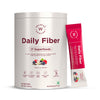 Daily Fiber | Vanilla Berry Flavour
₹872 – ₹1,708
Daily Fiber | Vanilla Berry Flavour
₹872 – ₹1,708
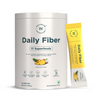 Daily Fiber | Pina Colada Flavour
₹872 – ₹1,708
Daily Fiber | Pina Colada Flavour
₹872 – ₹1,708
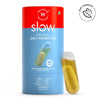 Daily Probiotic Slow
₹1,357 – ₹2,658
Daily Probiotic Slow
₹1,357 – ₹2,658
 Probiotic + Prebiotic
₹664 – ₹3,355
Probiotic + Prebiotic
₹664 – ₹3,355