Most people are not unwell. They are under-informed about their own body's signals.
Dull skin, 3 PM energy crashes, bloating after lunch, periods that show up whenever they feel like it. None of this is random. Every one of these is your body sending a specific, decodable signal, and most of them trace back to four systems: skin, hormones, gut, and energy regulation. This is the wellness cheat sheet that connects them.
Why One System Always Talks to Another
Here is the part most health and wellness content skips: your skin is not a separate department from your gut. Your hormones are not separate from your sleep. The body runs on holistic wellness, not in the vague, feel-good sense of that word, but literally. One system's output is another system's input.
A gut that is inflamed will show up on your face before it shows up on a blood test. A cortisol spike at 11 PM will block the exact hormone your skin needs to repair itself overnight. This is what is holistic wellness actually means here. Not yoga and journaling. Cause and effect, just routed through organs you don't usually think of as connected.
Below is the gist of ten cheat sheets, each one decoding a single system. Read the mechanism here, then go deep wherever your body is currently raising its hand.
1. The Glow Cheat Sheet: What Skin Is Actually Telling You
Skin health is downstream of everything else. The 28-day renewal cycle, collagen turnover, and barrier strength all depend on what is happening in your gut, your sleep, and your hormones first.

If your skin looks tired despite a decent routine, the fix usually isn't a new serum. It's vitamins for skin health like vitamin C and zinc working alongside collagen synthesis, and a gut and sleep cycle that actually support renewal.
Read more here: Tips for Glowing Skin
2. The Hormone Cheat Sheet: Your 30s Run on a Different Script
Hormones don't decline quietly in your 30s. Progesterone starts dropping years before estrogen does, which is why PMS, sleep, and mood often shift before a single period is missed. Learning how to balance hormones starts with knowing which one moved first.

Get detailed insights from here: How to Balance Hormones Naturally
3. The Sleep Cheat Sheet: What Actually Happens at Night
A healthy sleep time isn't about hours logged. It's about whether you hit deep sleep before cortisol naturally starts climbing again around 2 AM. Miss that window consistently, and repair processes for skin, muscle, and memory get cut short, even if you technically "slept 8 hours."
Read more here: The Sleep Cheat Sheet
4. The Ingredient Cheat Sheet: What Actually Works Together
Not every combination helps. Some supplement combinations boost absorption (vitamin D with magnesium), and some quietly cancel each other out (calcium taken with iron blocks iron absorption by up to 60%). Most people are wasting money on the wrong stack without knowing it.
Get detailed insights from here: Best Supplement Combinations
5. The Gut Health Cheat Sheet: Your Second Brain Is Misbehaving
Gut health isn't just digestion. Roughly 90% of your body's serotonin is made in the gut, not the brain, which is why a stressed gut and a stressed mind are often the same problem wearing two faces.

Knowing how to improve gut health starts with spotting the signs of an unhealthy gut: bloating, skin breakouts, sugar cravings, and brain fog are often gut signals wearing a different costume.
Probiotics for gut health, paired with easy to digest foods like khichdi, curd rice, and cooked vegetables, are usually the fastest reset, faster than any single supplement alone.
Read more here: The Gut Health Cheat Sheet
6. The Cortisol Cheat Sheet: Stress Has a Body, Not Just a Mood
High cortisol symptoms rarely show up as "feeling stressed." They show up as stubborn belly fat, sugar cravings, disrupted sleep, and skin that won't calm down, because cortisol affects fat storage, blood sugar, and inflammation simultaneously.
Get detailed insights from here: The Cortisol Cheat Sheet
7. The Energy Cheat Sheet: Tiredness Has Seven Possible Levers
If you're wondering how to boost energy levels, more coffee usually isn't the answer. Fatigue is rarely one problem. It's usually one of seven: iron, B12, sleep quality, thyroid, blood sugar swings, dehydration, or cortisol timing, and each one needs a different fix.
Read more here: How to Boost Energy Level
8. The Hydration Cheat Sheet: Thirst Is Often the Last Sign, Not the First
By the time you feel thirsty, you're already mildly dehydrated. The earlier signs of dehydration, like headaches, dry skin, and afternoon fatigue, show up well before thirst does, because thirst is a lagging signal, not a leading one.
Get detailed insights from here: The Hydration Cheat Sheet
9. The PCOS/PMOS Cheat Sheet: One Hormone Imbalance, Three Visible Symptoms
PCOS/ PMOS skin problems like jawline acne, cycle irregularity, and stubborn weight gain often trace back to a single upstream issue: insulin resistance, not "hormones" in the vague sense most advice uses.
Read more here: The PCOS / PMOS Cheat Sheet
10. The Longevity Cheat Sheet: Aging Has Measurable Levers
You cannot stop aging, but you can change its pace. Longevity supplements and habits that target inflammation, muscle preservation, and cellular repair are the closest science has to a dial, not a switch, on how fast you age.
Get detailed insights from here: The Longevity Cheat Sheet
The One Thing Worth Remembering
These ten systems are not ten separate problems. They are one body, reporting through ten different channels. The holistic health benefits of treating them as connected, rather than chasing each symptom in isolation, is the actual unlock.
Skin clears up when gut and sleep are fixed. Energy returns when cortisol and iron are addressed together, not separately.
Key Takeaways
-
Skin, gut, hormones, sleep, and energy are not separate systems. They constantly influence each other.
-
Most "random" symptoms (acne, fatigue, bloating, cravings) are specific signals with identifiable causes.
-
Gut health issues often show up on skin and mood before they show up anywhere else.
-
High cortisol symptoms and PCOS-related issues frequently share the same root: insulin and stress signalling.
-
Thirst and tiredness are lagging signals. Dehydration and several energy-drain causes show up earlier, in subtler ways.
-
Fixing one system properly tends to improve at least one other system as a side effect.
Conclusion
You don't need ten separate fixes. You need to know which system is actually misfiring, because most surface symptoms point to one of four root causes: gut, hormones, sleep, or stress signalling. Start with the cheat sheet that matches what your body is currently telling you, and work from mechanism, not guesswork.
FAQs
What is a wellness cheat sheet?
A wellness cheat sheet is a quick-reference guide that decodes what specific body signals, like skin breakouts, fatigue, or bloating, actually mean, and what's causing them. It replaces guesswork with the underlying mechanism so you know what to actually fix.
What is holistic wellness, really?
Holistic wellness means treating the body as one connected system rather than isolated parts. Your gut affects your skin, your sleep affects your hormones, and your stress levels affect your digestion. Holistic wellness means addressing the root system, not just the visible symptom.
How do I know if my gut health is the actual problem?
Common signs of an unhealthy gut include bloating after meals, skin breakouts along the jawline or cheeks, sugar cravings, and brain fog. If multiple of these show up together, your gut is a more likely starting point than your skincare routine or your sleep schedule.
Can poor gut health really affect my skin?
Yes. Inflammation in the gut can increase overall systemic inflammation, which shows up on the skin as breakouts, dullness, or sensitivity. This connection, often called the gut-skin axis, is one of the most well-documented links in dermatology research.
What are the most reliable vitamins for skin health?
Vitamins for skin health with the strongest evidence include vitamin C for collagen synthesis, zinc for barrier repair, and vitamin E for protecting skin from oxidative stress. Pairing these with adequate protein intake matters just as much as the vitamins themselves.
How can I tell if my hormones are actually imbalanced?
Signs like irregular cycles, sudden acne along the jawline, unexplained weight changes, or mood swings that don't match your usual pattern are common indicators. A blood test for specific hormones, taken at the right point in your cycle, gives a more precise answer than symptoms alone.
What are common high cortisol symptoms I should watch for?
High cortisol symptoms include stubborn belly fat despite a stable diet, difficulty falling asleep despite being tired, sugar cravings in the evening, and skin that flares up under stress. These often appear together rather than alone.
What are early signs of dehydration besides thirst?
Signs of dehydration that show up before thirst include headaches, dry or flaky skin, reduced urine output, and an afternoon energy crash that coffee doesn't fix. Thirst is actually one of the last signals your body sends, not the first.
How to improve gut health quickly if I'm already feeling off?
How to improve gut health quickly involves switching temporarily to easy to digest foods like khichdi, curd rice, and steamed vegetables, alongside probiotics for gut health to help rebalance gut bacteria. Cutting back on processed food and alcohol for a few days accelerates the reset.
Are PCOS/PMOS skin problems different from regular acne?
Yes. PCOS/PMOS skin problems typically show up as jawline and chin acne, are often cystic, and tend to flare in a cyclical pattern tied to hormone fluctuations rather than diet alone. This pattern is a useful clue that the root cause is hormonal, not purely topical.

Recommended Products
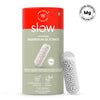 Liposomal Magnesium Glycinate (Chelated) | Pack of 60 Capsules
₹872 – ₹1,708
Liposomal Magnesium Glycinate (Chelated) | Pack of 60 Capsules
₹872 – ₹1,708
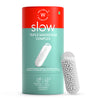 Triple Magnesium Complex
₹1,357 – ₹2,658
Triple Magnesium Complex
₹1,357 – ₹2,658
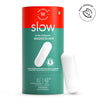 Ultra Strength Magnesium+
₹1,745 – ₹3,418
Ultra Strength Magnesium+
₹1,745 – ₹3,418
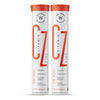 Organic Vitamin C + Zinc
₹758 – ₹2,035
Organic Vitamin C + Zinc
₹758 – ₹2,035
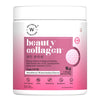 Beauty Collagen Strawberry Watermelon Flavour
₹1,899 – ₹7,036
Beauty Collagen Strawberry Watermelon Flavour
₹1,899 – ₹7,036
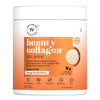 Beauty Korean Marine Collagen Peptides Mango Peach Flavour
₹1,899 – ₹7,036
Beauty Korean Marine Collagen Peptides Mango Peach Flavour
₹1,899 – ₹7,036
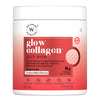 Glow Korean Marine Collagen Peptides with Liposomal Glutathione & Vitamin C | Tropical Bliss Flavour | 250g
₹1,899 – ₹7,036
Glow Korean Marine Collagen Peptides with Liposomal Glutathione & Vitamin C | Tropical Bliss Flavour | 250g
₹1,899 – ₹7,036
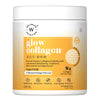 Glow Korean Marine Collagen Peptides with Liposomal Glutathione & Vitamin C | Valencia Orange Flavour | 250g
₹1,899 – ₹7,036
Glow Korean Marine Collagen Peptides with Liposomal Glutathione & Vitamin C | Valencia Orange Flavour | 250g
₹1,899 – ₹7,036
 Pure Korean Marine Collagen Peptides | Unflavored | Combat Signs of Ageing
₹1,709 – ₹6,332
Pure Korean Marine Collagen Peptides | Unflavored | Combat Signs of Ageing
₹1,709 – ₹6,332