You stayed up until 1 AM scrolling through content about self-improvement. You woke up at 7 AM feeling like you'd been hit by a truck. And now you're reading a blog about sleep. The irony is not lost on us.
Here's the thing: most of us know sleep matters. Yet we treat it like a luxury instead of a biological necessity. In a world obsessed with 5 AM routines and hustle culture, sleep has somehow become the thing we sacrifice first and miss the most. Let's fix that, because what happens when you actually get your sleep right is frankly shocking.
So, How Many Hours of Sleep Is Actually Healthy?
Let's settle this once and for all. The National Sleep Foundation recommends 7 to 9 hours of sleep for adults aged 18 to 64. That is your healthy sleep time. Not 5 hours with a "power nap." Not 10 hours on weekends to "catch up" (newsflash: you cannot catch up on lost sleep, it is a myth). Seven to nine hours, consistently, is your optimal sleep time.
But here is where it gets interesting: it is not just about how many hours you sleep. It is about what happens inside those hours. Your brain does not just go quiet when you close your eyes. It basically runs its own maintenance programme.

Your Brain on Good Sleep: The Stuff Nobody Tells You
During a proper night's sleep, your body cycles through four stages roughly every 90 minutes. The first two are lighter sleep. Stage three is deep sleep, the one where your body physically repairs muscle tissue, releases growth hormone, and consolidates memory. Stage four is REM (Rapid Eye Movement) sleep, where emotional processing and creative thinking happen.
Here is what blew our minds: your brain actually shrinks slightly during sleep to allow cerebrospinal fluid to flush out toxic waste products, including beta-amyloid, a protein linked to Alzheimer's disease.
This process, called the glymphatic system flush, only works efficiently during deep sleep. When you cut sleep short, you are literally not taking out the brain's trash.
The benefits of deep sleep also include hormone regulation, immune system repair, and gut microbiome recovery. Yes, your gut and your sleep are in constant communication. Poor sleep disrupts the gut-brain axis, leading to cravings, bloating, and even mood swings the next day.
The Modern Sleep Epidemic: Why We Are All Getting It Wrong
Here is the reality check. 1 in 3 adults are chronically sleep-deprived. Blue light from phones suppresses melatonin production by up to 50% when used within an hour of bedtime. Caffeine has a half-life of 5 to 7 hours, meaning that 4 PM coffee is still halfway in your system at 10 PM.
Late-night eating, especially high-glycaemic foods, spikes insulin and body temperature, both of which directly disrupt sleep architecture. Your core body temperature needs to drop by 1 to 2 degrees Celsius to initiate sleep. Anything that keeps it elevated delays sleep onset.
Food as Sleep Medicine: What to Eat (and Avoid) for Better Sleep
This is where it gets practical and powerful.
Foods that actually improve sleep quality:
-
Kiwi fruit: Two kiwis an hour before bed has been shown in studies to increase total sleep time by 13% and improve sleep efficiency. The serotonin content is the key.
-
Tart cherry juice: A natural source of melatonin. A small glass (240ml) an hour before bed works better than most people expect.
-
Walnuts: Contain tryptophan, magnesium, and their own source of melatonin. A small handful in the evening is practical and effective.
-
Warm milk or golden milk (turmeric latte): The tryptophan in dairy converts to serotonin and then melatonin. Grandma was right.
-
Oats: Complex carbohydrates that facilitate tryptophan crossing the blood-brain barrier. A light oat snack two hours before bed is genuinely smart.
-
Fatty fish like salmon or mackerel: Rich in omega-3 and vitamin D, both linked to better sleep regulation. Evening meals with fatty fish show measurable improvement in sleep quality.
-
Banana with almond butter: The potassium and magnesium in bananas relax muscles, while almond butter adds healthy fats and tryptophan.
Foods that wreck your sleep (stop defending them):
-
Alcohol (it fragments REM sleep severely, even if it helps you fall asleep faster)
-
Spicy food at dinner (raises core body temperature)
-
Refined sugar and processed carbs after 7 PM
-
Caffeine after 2 PM for most people

The Supplement Stack Worth Knowing About
Sometimes diet alone is not enough, especially when stress is high. This is where science-backed supplements come in.
A magnesium supplement is arguably the most underrated sleep aid available. Magnesium glycinate specifically calms the nervous system, reduces cortisol, and relaxes muscles. Most adults are deficient in it. 300 to 400mg taken 30 to 60 minutes before bed is a game-changer.
Melatonin supplements are widely misused. Most people reach for a melatonin 10 mg dose when research actually supports melatonin 5 mg or even 0.5 mg for sleep onset. Higher doses can cause grogginess and disrupt your body's natural production over time. Use the lowest effective dose, short-term, for resetting your sleep cycle or managing jet lag.
Ashwagandha (you have probably seen it everywhere) is an adaptogen that reduces cortisol levels, the primary stress hormone that keeps you wired at night. Studies show that ashwagandha extract significantly improves sleep quality and stress perception. [NIH] If you are looking to buy ashwagandha, always opt for KSM-66 for verified potency.
How to Actually Get Deep Sleep: The Non-Negotiable Habits
To improve sleep quality consistently, you need systems, not willpower.
The non-negotiables:
-
Consistent sleep and wake time, even on weekends. This is the single highest-leverage habit.
-
A wind-down routine of 30 to 60 minutes: dim lights, no screens, light reading, stretching, or journaling.
-
Keep your bedroom below 19 degrees Celsius. If you cannot control room temperature, use cooling breathable sheets.
-
No phones in the bedroom. If you use it as an alarm, buy a 200 rupee alarm clock. It is worth it.
-
Morning sunlight within 30 minutes of waking. This sets your circadian clock and makes falling asleep at night significantly easier.
Key Takeaways
-
7 to 9 hours is the science-backed optimal sleep time for adults, but quality matters as much as quantity. Deep sleep and REM stages both serve critical functions that cannot be replaced.
-
Your brain detoxifies itself only during sleep. Consistently cutting sleep short increases long-term neurological risk, not just next-day fatigue.
-
Food is a sleep tool. Kiwi, tart cherry, walnuts, oats, and fatty fish are practical, evidence-based additions to your evening routine that directly improve sleep quality.
-
Magnesium, low-dose melatonin, and ashwagandha are the three supplements with the strongest evidence base for improving sleep without dependency. Always start low and choose quality-standardised products.
-
The single most impactful habit is a consistent sleep-wake schedule. Your circadian rhythm is a biological clock; irregular sleep is the equivalent of changing time zones every other day.
Sleep is not the enemy of productivity. It is the foundation of it. The most successful athletes, executives, and creatives in the world guard their sleep like it is their most valuable asset. Because it is.
Start tonight.
FAQs
Q1. How many hours of sleep is healthy for adults?
A: Adults aged 18 to 64 need 7 to 9 hours. Older adults may do well with 7 to 8 hours. Consistently sleeping under 6 hours is associated with significant health risks.
Q2. Is it okay to sleep less on weekdays and more on weekends?
A: No. Social jet lag, as researchers call it, disrupts your circadian rhythm. You cannot meaningfully recover lost sleep debt over the weekend.
Q3. How do I know if I am getting enough deep sleep?
A: Signs of insufficient deep sleep include waking up still tired, poor memory, frequent illness, and muscle soreness. Wearables like Oura or Fitbit can give rough estimates, though they are not perfectly accurate.
Q4. What is the optimal amount of sleep for someone who works out regularly?
A: Athletes and people who train regularly often need closer to 9 hours due to muscle repair and hormonal recovery requirements. Growth hormone is primarily released during deep sleep.
Q5. Does melatonin 10 mg work better than melatonin 5 mg?
A: Research suggests that lower doses, around 0.5 to 3 mg, are often more effective for sleep onset and cause fewer side effects. Higher doses like melatonin 10 mg are not inherently more effective and may cause morning grogginess.
Q6. Is a magnesium supplement safe to take every night?
A: Magnesium glycinate is generally considered safe for nightly use at recommended doses. It is not habit-forming. Always consult a healthcare provider if you are on medication or have kidney issues.
Q7. How to get sleep at night when my mind will not switch off?
A: Try the 4-7-8 breathing technique (inhale 4 seconds, hold 7, exhale 8), journaling to offload thoughts, or progressive muscle relaxation. Ashwagandha taken consistently over 4 to 8 weeks also significantly reduces mental hyperarousal at night.
Q8. How does screen time affect sleep quality?
A: Blue light suppresses melatonin production by up to 50%. But it is not just the light, it is the stimulation. Social media and news content elevate cortisol and alertness. Stop screens at least 60 minutes before bed.
Q9. What are the long-term benefits of good sleep?
A: The benefits of good sleep include lower risk of heart disease, type 2 diabetes, depression, obesity, and cognitive decline. It also supports better skin health, immune function, and hormonal balance.
Q10. Should I use ashwagandha for sleep or is it just a trend?
A: The evidence is solid. Multiple double-blind placebo-controlled trials show that standardised ashwagandha extract (KSM-66) significantly improves sleep quality, reduces anxiety, and lowers cortisol. It is not a trend, it is one of the better-studied adaptogens available.

Recommended Products
 Triple Magnesium Complex
₹1,357 – ₹2,658
Triple Magnesium Complex
₹1,357 – ₹2,658
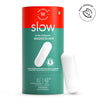 Ultra Strength Magnesium+
₹1,745 – ₹3,418
Ultra Strength Magnesium+
₹1,745 – ₹3,418
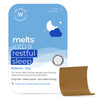 Restful Sleep (5mg)
₹649 – ₹1,298
Restful Sleep (5mg)
₹649 – ₹1,298
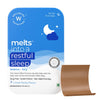 Restful Sleep Melts (10mg)
₹649 – ₹1,298
Restful Sleep Melts (10mg)
₹649 – ₹1,298
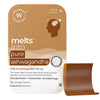 Pure Ashwagandha
₹649 – ₹1,298
Pure Ashwagandha
₹649 – ₹1,298