How to Take Whey Protein Safely with Antibiotics?
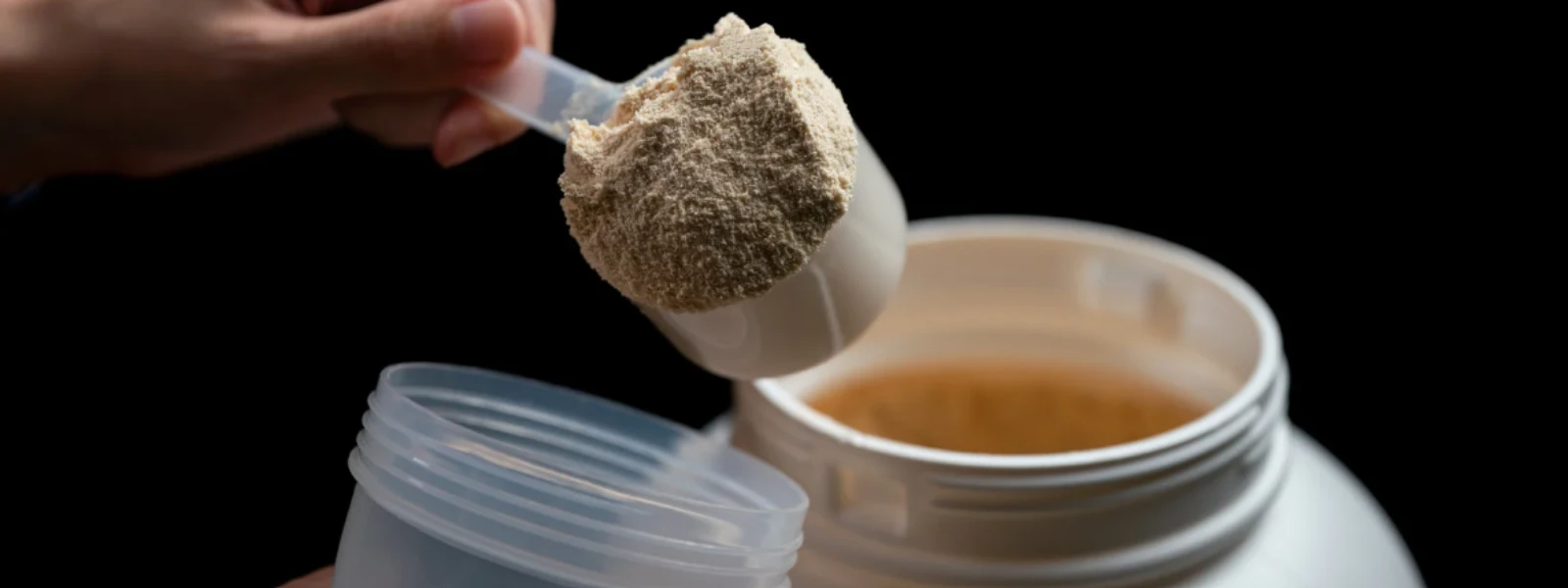


When you're prescribed antibiotics, maintaining proper nutrition becomes crucial for recovery. Many fitness enthusiasts and health-conscious individuals wonder: can I take whey protein isolate while on antibiotics? This question touches on important considerations about medication interactions, gut health, and optimal recovery strategies.
Understanding how to safely combine whey protein supplements with antibiotic treatment can help you maintain muscle mass, support immune function, and promote faster healing. This guide explores the science behind protein and antibiotic interactions, provides practical timing recommendations, and offers expert insights on maximizing your recovery while protecting your digestive health.
Antibiotics work by targeting bacterial infections, but they can also affect how your body processes nutrients. When you take antibiotics, they may alter the pH levels in your stomach and intestines, potentially impacting protein digestion and absorption.
Whey protein isolate contains high concentrations of essential amino acids and bioactive compounds. These nutrients are generally well-absorbed, but certain antibiotics might interfere with this process. Some medications can bind to proteins or minerals, potentially reducing their effectiveness or causing digestive discomfort.
The good news is that most antibiotics don't directly interact with whey protein isolate in harmful ways. However, timing and dosage considerations become important to ensure both your medication and supplement work optimally.
The most important rule when combining whey protein and antibiotics is proper timing. Healthcare professionals typically recommend separating antibiotic doses from protein supplements by at least two hours. This spacing helps prevent any potential binding interactions and ensures maximum absorption of both substances.
During illness, your protein requirements may actually increase to support immune function and tissue repair. However, you might need to adjust your usual dosage if you experience digestive sensitivity. Starting with smaller servings and gradually increasing can help your system adapt during treatment.
Individual factors such as the specific antibiotic prescribed, your overall health status, and any pre-existing digestive conditions should influence your approach to protein supplementation during treatment.
Whey protein isolate contains all nine essential amino acids that your body cannot produce on its own. These amino acids serve as building blocks for immune cells, antibodies, and other proteins crucial for fighting infections.
Research shows that whey protein contains immunoglobulins and lactoferrin, bioactive compounds that may help support immune function. During antibiotic treatment, when your body is working to overcome infection, these additional immune-supporting nutrients can be particularly beneficial.
The high leucine content in whey protein also plays a vital role in protein synthesis and cellular repair processes. This becomes especially important when your body is recovering from illness and needs to rebuild damaged tissues.
Illness and certain medications can lead to muscle protein breakdown, especially if you're less active during recovery. Maintaining adequate protein intake helps preserve lean muscle mass and supports faster recovery.
Whey protein isolate is particularly effective for muscle recovery because it's rapidly absorbed and contains optimal ratios of branched-chain amino acids. These nutrients help stimulate muscle protein synthesis even when you're not engaging in regular exercise.
During antibiotic treatment, your body may have increased protein requirements due to the metabolic demands of fighting infection and potential medication side effects. Ensuring adequate protein intake supports both immune function and muscle maintenance.
Did You Know?
Studies suggest that protein requirements may increase by 20-25% during illness and recovery. Whey protein isolate provides a convenient way to meet these elevated needs when appetite or digestive function is compromised.
Antibiotics don't discriminate between harmful bacteria causing infection and beneficial bacteria in your gut. This disruption to your microbiome can lead to digestive issues such as nausea, diarrhea, or stomach upset.
When your gut bacteria are imbalanced, protein digestion and absorption may be temporarily compromised. This is why some people experience digestive discomfort when taking protein supplements during antibiotic treatment.
The disruption typically resolves as your microbiome recovers, but supporting gut health during treatment can help minimize discomfort and maintain optimal nutrient absorption.
Taking probiotics during antibiotic treatment can help maintain gut health and reduce digestive side effects. When combining probiotics with both antibiotics and whey protein, timing becomes crucial.
The recommended approach is to take probiotics at least two hours away from antibiotic doses, similar to the timing recommendation for whey protein. You can often take probiotics and whey protein together, as they may work synergistically to support gut health and recovery.
Look for probiotic supplements containing Lactobacillus and Bifidobacterium strains, which have been studied for their ability to survive antibiotic treatment and support digestive health during medication use.
The two-hour separation rule applies to most antibiotic and whey protein combinations. If you take antibiotics twice daily, plan your protein supplementation schedule accordingly. For example, if you take antibiotics at 8 AM and 8 PM, you could take whey protein at 10 AM, 2 PM, or 6 PM.
Start with smaller servings than usual, perhaps 15-20 grams instead of your typical 25-30 grams, especially if you're experiencing any digestive sensitivity. You can gradually increase the amount as your tolerance improves.
Consider splitting your daily protein intake into smaller, more frequent servings rather than taking large amounts at once. This approach may be easier on your digestive system during antibiotic treatment.
Whey protein isolate is generally preferred over whey protein concentrate during antibiotic treatment because it contains less lactose and is more easily digested. This reduced lactose content can be particularly important if antibiotics have disrupted your gut bacteria.
Look for high-quality supplements that are third-party tested and free from unnecessary additives, artificial sweeteners, or fillers that might further irritate a sensitive digestive system.
Consider the form of your protein supplement as well. Powder mixed with water or easily digestible liquids may be better tolerated than protein bars or more complex formulations during treatment.
Some people experience increased nausea or stomach upset when taking whey protein during antibiotic treatment. If this occurs, try taking your protein supplement with a small amount of easily digestible food, such as a banana or toast.
Digestive discomfort can often be minimized by ensuring adequate hydration and choosing easily digestible protein sources. If symptoms persist or worsen, consider temporarily reducing your protein supplement dosage or switching to whole food protein sources.
Monitor your body's response and be prepared to adjust your supplementation routine based on how you feel. Some people find they tolerate protein supplements better later in their antibiotic course as their system adapts.
Adequate hydration becomes even more important when taking both antibiotics and protein supplements. Aim for at least 8-10 glasses of water daily to support kidney function and help prevent any potential digestive issues.
Consider incorporating easily digestible whole foods alongside your protein supplements. Foods like bone broth, eggs, or fish can provide additional nutrients and may be gentler on a sensitive digestive system.
As you complete your antibiotic course, gradually return to your normal supplementation routine. Your gut microbiome will need time to recover, so continue supporting digestive health with probiotics and gentle nutrition choices.
Certain antibiotics, particularly those in the tetracycline or fluoroquinolone families, may have more specific interaction considerations. Always inform your healthcare provider about all supplements you're taking, including whey protein.
If you have pre-existing digestive conditions, kidney issues, or are taking multiple medications, professional guidance becomes especially important. Your healthcare provider can offer personalized recommendations based on your specific situation.
Seek medical attention if you experience severe digestive upset, allergic reactions, or any concerning symptoms when combining antibiotics with protein supplements.
Most antibiotics can be safely combined with whey protein isolate when proper timing is followed. However, some antibiotics may require special considerations, so it's best to consult your healthcare provider about your specific medication.
The general recommendation is to wait at least two hours between taking antibiotics and whey protein supplements. This timing helps prevent potential interactions and ensures optimal absorption of both substances.
When taken with proper timing, whey protein isolate should not reduce antibiotic effectiveness. The two-hour separation helps ensure that both your medication and supplement can work optimally without interference.
Yes, probiotics can be beneficial during antibiotic treatment to support gut health. Take probiotics at least two hours away from antibiotic doses, and they can often be taken alongside whey protein supplements.
If you experience digestive discomfort, try reducing your protein supplement dosage, ensuring adequate hydration, and taking supplements with small amounts of easily digestible food. If symptoms persist, consult your healthcare provider.
Taking whey protein isolate while on antibiotics is generally safe when done with proper timing and consideration for your individual health needs. The key is maintaining at least a two-hour separation between antibiotic doses and protein supplementation, while supporting your gut health throughout treatment. Remember that adequate protein intake becomes even more important during illness and recovery, as your body needs these nutrients to support immune function and tissue repair. By following these guidelines and listening to your body's responses, you can safely maintain your protein supplementation routine while maximizing the benefits of your antibiotic treatment. Consider exploring high-quality protein supplements that support your health goals and complement your recovery journey.




Someone sent you
Powered by ReferRush


