It's a random Tuesday. Nothing dramatic has happened, but your jaw is clenched, your shoulders are somewhere near your ears, you've reread the same email three times without absorbing a word, and you just snapped at someone over absolutely nothing. Later that night you're wide awake at 1 a.m., mind racing about a conversation from six hours ago. Sound familiar?
That tight, wired, running-on-fumes feeling isn't random. It's your body's stress hormone, cortisol, running on overdrive. And here's the part most people miss, this isn't just a "you" problem, it's become a full blown collective moment. Terms like adaptogenic foods and how to lower cortisol levels are trending for a reason, more people are realizing that constant low grade stress is quietly running the show. The good news is that learning how to lower cortisol levels naturally doesn't require a total life overhaul. It's about small, consistent shifts in food, movement, sleep, and mindset that add up fast.
This is your no-fluff, all-facts guide to lowering cortisol the smart way.
First, What Even Is Cortisol?
Cortisol is your body's built-in alarm system, made by the adrenal glands. In short bursts, it's incredibly useful. It wakes you up in the morning, sharpens focus, and helps you handle an actual emergency. The problem starts when modern life, deadlines, doomscrolling, poor sleep, skipped meals, keeps that alarm ringing 24/7. Chronic high cortisol has been linked to weight gain around the belly, disrupted sleep, weakened immunity, anxiety, and even accelerated skin aging. This is why "how to lower cortisol" has become one of the most searched wellness topics of the year, right alongside gut health and magnesium.
The Food Fix: Adaptogenic Foods and Cortisol-Friendly Eating
Adaptogenic foods are having a major cultural moment, and for good reason. Adaptogens are herbs and plants that help your body adapt to stress rather than spike or crash with it. Ashwagandha is the reigning champion here. Multiple clinical studies have shown that ashwagandha root extract can meaningfully reduce serum cortisol levels when taken consistently over several weeks. It's now showing up in everything from lattes to gummies, and honestly, it deserves the hype.
Beyond ashwagandha, other adaptogens worth knowing:
-
Rhodiola rosea: traditionally used to fight fatigue and support mental stamina under stress.
-
Holy basil (tulsi): a calming herb popular in Ayurvedic tradition, often brewed as tea.
-
Reishi mushroom: known as the "calming mushroom," great in coffee alternatives or hot cacao.
But adaptogens aren't magic on their own. Pairing them with foods that lower cortisol levels amplifies the effect. Here's what to actually put on your plate:
-
Fatty fish (salmon, mackerel, sardines): rich in omega-3s, shown to blunt cortisol response during stress.
-
Dark leafy greens: high in magnesium, a mineral your body burns through fast when stressed.
-
Fermented foods (kimchi, yogurt, kefir): support gut bacteria, which directly communicate with your brain via the gut-brain axis to regulate stress hormones.
-
Dark chocolate (70% or higher): contains flavonoids that have been shown to reduce cortisol and blood pressure in stressed individuals.
-
Citrus fruits: vitamin C is used up quickly during stress, and studies show it can lower cortisol spikes.
-
Complex carbs like oats and sweet potatoes: they help regulate blood sugar swings, which is one of the sneakiest, most overlooked cortisol triggers

A trend worth knowing about: intermittent fasting and extreme low-carb diets can actually raise cortisol in some people, especially women. If you're already stressed, going too low on carbs isn't the flex it's marketed to be.
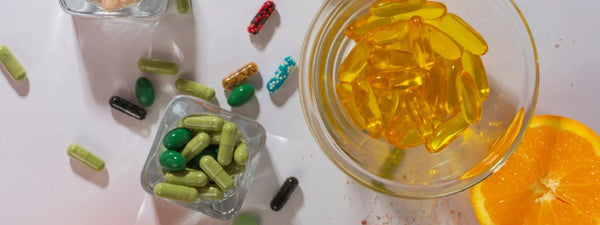
If your diet can't cover every gap, an ashwagandha supplement (look for standardized root extract like KSM-66 ) is one of the few options backed by real clinical research for cortisol reduction.
Chronic stress also burns through B vitamins fast, which is why a lot of people going through a stressful season lean on a vitamin B12 supplement or B complex capsules to support energy and nervous system function alongside their meals.
A NAC supplement (N-acetylcysteine) is another one gaining traction in the stress and recovery space, since it supports the body's own antioxidant production. None of these replace food, but they can fill real gaps. Always check with a healthcare provider before starting anything new, especially if you're on medication or pregnant.
Sleep: The Most Underrated Cortisol Lever
Cortisol naturally follows a rhythm, high in the morning to wake you up, low at night to let you sleep. Poor sleep flips this pattern and keeps cortisol elevated when it should be winding down. If you're serious about lowering cortisol levels naturally, sleep hygiene isn't optional.
Practical, trendy-but-actually-effective tips:
-
Dim lights after sunset to support natural melatonin production instead of relying solely on supplements.
-
Try a "digital sunset", put screens away 45 to 60 minutes before bed.
-
Keep a consistent wake time, even on weekends. This regulates your cortisol rhythm more than bedtime does.
-
Cool your room to around 65 to 68°F for optimal sleep quality.
-
Magnesium before bed is one of the most popular evening rituals right now, and for good reason. A magnesium supplement, usually in glycinate or citrate form, supports muscle relaxation and calmer sleep onset.
-
A short-term melatonin reset can help if your sleep wake cycle is genuinely off track, say after travel or a stretch of late nights. Interestingly, melatonin 5 mg or even melatonin 10 mg isn't automatically better than a lower dose.

Lifestyle Habits That Actually Move the Needle
-
Move daily, but don't overdo cardio. Long, intense cardio sessions can spike cortisol further. Walking, yoga, and strength training are better daily defaults.
-
Breathwork, specifically slow exhales, activates your parasympathetic nervous system almost instantly. Try 4 seconds in, 6 to 8 seconds out.
-
Cold exposure (cold showers or cold plunges) is trending hard right now. Short-term, it can actually spike cortisol, but it may improve long-term stress resilience with regular practice.
-
Time in nature, even 20 minutes, has been shown in research to measurably lower cortisol.
-
Social connection matters more than most people realize. Isolation is a chronic stressor in itself.

On weeks that feel like genuinely too much, the right supplement can act as a support system for the routine you're already building, not a replacement for it. Each one tends to hold its own lane.
Ashwagandha is the one most directly tied to cortisol reduction itself, thanks to its adaptogenic action on the adrenal system.
A magnesium supplement earns its place by calming the nervous system and easing the physical tension that builds up in the body during chronic stress.
A vitamin B12 supplement and B complex capsules step in to replenish the B vitamins your body burns through fastest when you're running on stress, supporting energy and mood along the way.
A NAC supplement holds a different USP entirely, it supports the body's antioxidant defenses when ongoing stress creates oxidative strain.
And when the issue is specifically a disrupted sleep cycle, melatonin 5 mg or melatonin 10 mg can help reset your rhythm, though lower doses often do the job just as well as higher ones.
None of these fix the underlying habits on their own, they simply back up the food, sleep, and movement routine that's doing the real work.
Key Takeaways
-
Adaptogenic foods like ashwagandha, rhodiola, and tulsi genuinely help regulate cortisol, but they work best alongside good nutrition, not as a replacement for it.
-
Foods that lower cortisol levels include fatty fish, leafy greens, fermented foods, citrus, dark chocolate, and complex carbs.
-
Sleep consistency matters more than sleep supplements. Fix your rhythm first, then use tools like melatonin as a short-term support.
-
Supplements such as magnesium, B12, NAC, and B complex can help but should complement, not replace, whole food and lifestyle changes.
-
Movement, breathwork, and time outdoors are some of the best free, natural ways to lower cortisol daily.
FAQs
1. What is the best way to lower cortisol levels?
A combination of consistent sleep, a balanced diet rich in whole foods, regular moderate exercise, and stress management practices like breathwork tends to work best long term.
2. How to lower cortisol levels naturally without supplements?
Focus on sleep consistency, whole food nutrition, moderate exercise, sunlight exposure in the morning, and stress reducing practices like meditation or time in nature.
3. What foods lower cortisol the fastest?
No food works instantly, but fatty fish, dark chocolate, citrus fruits, and fermented foods are commonly associated with reduced cortisol response over time.
4. Does ashwagandha actually lower cortisol?
Yes, multiple studies show ashwagandha root extract can meaningfully reduce cortisol levels when taken consistently over 4 to 8 weeks.
5. Is melatonin 10 mg better than melatonin 5 mg for stress related sleep issues?
Not necessarily. Lower doses, often under 3 mg, are effective for most adults. Higher doses like 10 mg don't always improve results and may cause grogginess.
6. Can magnesium supplements help lower cortisol naturally?
Yes, magnesium supports nervous system regulation and is often depleted during chronic stress, making supplementation helpful for many people.
7. How does sleep affect cortisol levels?
Cortisol follows a natural rhythm tied to your sleep wake cycle. Poor or inconsistent sleep disrupts this rhythm, keeping cortisol elevated at the wrong times.
8. Can exercise raise or lower cortisol?
Both. Moderate exercise like walking, yoga, and strength training generally lowers cortisol, while excessive high intensity cardio can raise it.
9. What vitamins help lower cortisol levels naturally?
Vitamin C, B vitamins (including B12), and magnesium are commonly linked to better stress hormone regulation.
10. How long does it take to lower cortisol levels naturally?
With consistent lifestyle changes, most people notice improvements in stress and sleep within 3 to 6 weeks, though full hormonal balance can take longer.

Recommended Products
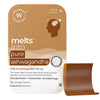 Pure Ashwagandha
₹649 – ₹1,298
Pure Ashwagandha
₹649 – ₹1,298
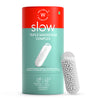 Triple Magnesium Complex
₹1,357 – ₹2,658
Triple Magnesium Complex
₹1,357 – ₹2,658
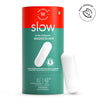 Ultra Strength Magnesium+
₹1,745 – ₹3,418
Ultra Strength Magnesium+
₹1,745 – ₹3,418
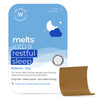 Restful Sleep (5mg)
₹649 – ₹1,298
Restful Sleep (5mg)
₹649 – ₹1,298
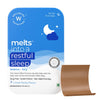 Restful Sleep Melts (10mg)
₹649 – ₹1,298
Restful Sleep Melts (10mg)
₹649 – ₹1,298
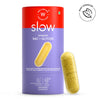 Slow Advanced N-Acetyl-Cysteine + Glycine Capsules
₹1,357 – ₹2,658
Slow Advanced N-Acetyl-Cysteine + Glycine Capsules
₹1,357 – ₹2,658
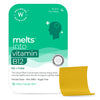 Vitamin B12
₹649 – ₹1,233
Vitamin B12
₹649 – ₹1,233
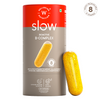 Bioactive B Complex | Methylated B Vitamins with Biotin & Vitamin C | 60 Capsules
₹872 – ₹1,708
Bioactive B Complex | Methylated B Vitamins with Biotin & Vitamin C | 60 Capsules
₹872 – ₹1,708