Most women blame their 30s hormone problems on estrogen. The hormone that actually checks out first is progesterone, and it goes quiet years before anyone notices.
By the time periods get heavier, PMS gets sharper, sleep gets lighter, and the scale shifts without any real change in diet, most women have already spent a year or two calling it "just stress" or "getting older." Neither explanation is wrong exactly, but both skip the actual sequence of events happening underneath.
The shift usually labelled perimenopause gets attached to the 40s. The biology starts much earlier than that. Ovarian reserve, the pool of eggs a woman is born with, declines steadily from the mid to late twenties onward, and ovulation quality drops well before periods become irregular enough to notice on a calendar. This is the gap most advice on how to balance hormones misses. It treats symptoms once they're loud instead of the mechanism that was quietly off for a few years before that.
It's also where a lot of advice on how to balance female hormones goes wrong. It jumps straight to supplements without ever explaining what's actually being balanced, or why the 30s specifically are when this starts to show up.
The mechanism nobody explains
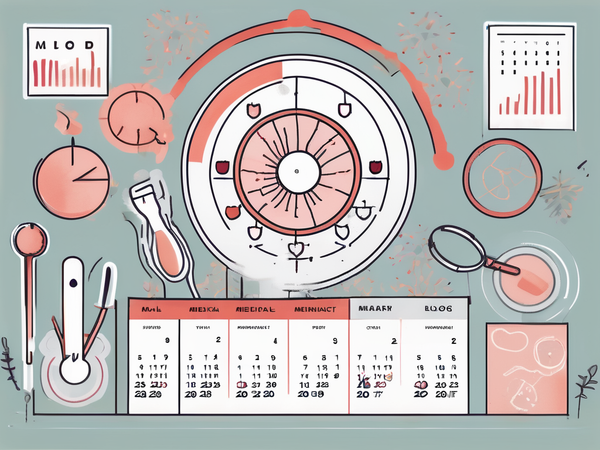
Every month a woman ovulates, the follicle that released the egg turns into a temporary structure called the corpus luteum. Its only job is making progesterone for roughly two weeks. If ovulation doesn't happen that cycle, even if bleeding still shows up close to on schedule, no corpus luteum forms, and no progesterone gets made. The period can look completely normal while the hormone behind it was missing entirely.

As women move through their 30s, the share of cycles with weak or absent ovulation rises quietly, often years before anything looks irregular (NIH). Estrogen production from the follicles tends to hold up reasonably well through this stretch. The result is a hormone environment where estrogen stays roughly where it was and progesterone drops, which behaves like estrogen dominance even though estrogen itself hasn't actually risen. That combination, not a flat hormone decline, is usually what produces heavier flow, breast tenderness, and a pre-period mood swing that feels disproportionate to anything going on that week.

There's a second mechanism worth knowing, and it's why a stressful season makes all of this worse. Cortisol and progesterone are both built from the same upstream material, a precursor called pregnenolone (NIH).
Under sustained stress, the enzymes involved tend to favour converting that shared material into cortisol first. Endocrinologists sometimes shorthand this as "pregnenolone steal," though the real picture involves several enzyme pathways rather than a simple either-or split. The practical effect is the same either way: a stressful quarter at work can lower progesterone availability on top of whatever the ovulation pattern is already doing.

This is the actual answer to how to balance hormones in women in their 30s. It isn't on hormone misbehaving on its own. It's progesterone losing ground to estrogen and cortisol at the same time, for reasons that started earlier than the symptoms did.
How to check hormone balance before fixing anything
Guessing wastes time here. A useful hormone panel for women in their 30s usually includes progesterone, drawn around day 21 of a 28-day cycle and adjusted if the cycle runs longer or shorter, alongside estradiol, TSH, and fasting insulin.
Testing on a random day, especially testing progesterone outside the luteal phase, is one of the most common reasons women get a "normal" result that doesn't match how they actually feel. That single timing detail is the difference between a panel that's useful and one that isn't. This is the real starting point for how to check hormone balance, before any diet or supplement change.
Hormone balancing diet
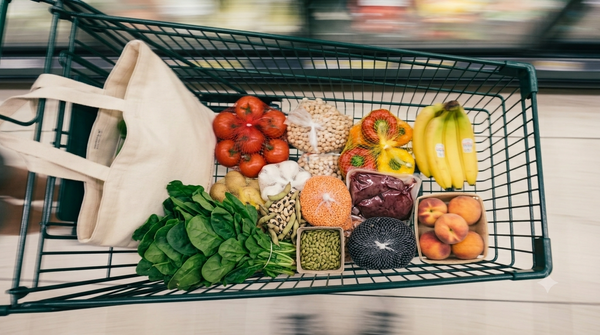
A working hormone balancing diet isn't a list of foods to avoid. It's built around three things: enough protein to supply the amino acids hormones are literally made from, enough fibre to help the liver and gut clear used estrogen out of the body instead of recirculating it, and enough fat, particularly from sources like ghee, nuts, and seeds, to supply the cholesterol backbone steroid hormones are built on.
Skipping meals or chronically under-eating sends the body the same signal as physical stress, which loops right back into the cortisol pathway explained above.
Exercise to balance hormones, and what to dial back
Exercise to balance hormones works best when it leans toward strength training two to three times a week, with daily walking filling the gaps. Resistance training improves insulin sensitivity directly, and insulin is tightly linked to reproductive hormone signalling.
Daily high-intensity cardio, on the other hand, reads to the body as another stressor stacked on top of work and sleep debt, which can push cortisol higher rather than lower. More isn't better here. Consistent and moderate beats exhausting and occasional.
Vitamins to balance hormones for females
A short list earns its place here, not a long one. Magnesium glycinate supports the same stress pathway that competes with progesterone for resources. B6 acts as a cofactor in progesterone synthesis itself.
A vitamin c zinc tablet combination supports corpus luteum function and ovulation quality, the two things the entire mechanism above depends on. These are some of the most useful vitamins to balance hormones for females, not because they're trendy, but because they're the actual inputs the pathway needs.
Supplements to balance hormones
Ashwagandha has measurable, repeated evidence for lowering cortisol, which matters directly given the shared pathway with progesterone described earlier. Shilajit resin, a mineral-rich substance long used in Ayurveda, has newer research on energy metabolism and stamina, useful for the fatigue that often rides along with this hormone pattern, though it isn't a direct progesterone intervention on its own.
Alongside diet and training, these sit firmly in the category of supplements to balance hormones that work with the mechanism rather than around it.
How to balance hormones in PMOS specifically
PMOS changes the sequence. Insulin resistance disrupts ovulation directly, which means the progesterone shortfall described above is usually more pronounced and starts earlier. This is where a PMOS supplement built around myo-inositol and d-chiro-inositol in the 40:1 ratio naturally found in human plasma becomes relevant, since it works upstream on insulin signalling rather than only managing symptoms after the cycle has already gone off course.
Protein powders, protein for women
Protein for women in their 30s tends to get underestimated, partly because standard intake guidelines are built around minimum requirements, not around what's needed for muscle maintenance, satiety, and the raw material hormone synthesis runs on.
Protein powders are a practical fix when three home-cooked, protein-adequate meals a day isn't realistic on a packed work schedule, not a replacement for them.
A simple hormone balance drink worth keeping in rotation
A useful hormone balance drink doesn't need to be complicated: warm water, a small amount of soaked ashwagandha or a pinch of shilajit resin, and a source of electrolytes if it's also doubling as a post-workout drink.
The goal isn't a miracle mix, it's a consistent daily habit that supports the cortisol side of the equation without piling more stimulants onto a day that probably already has enough.
How to maintain hormonal balance long term
The honest answer to how to maintain hormonal balance is that it isn't a one-time fix. It's tracking the same few inputs, sleep, protein, strength training, and stress load, consistently enough that ovulation quality stays where it should be.
How to keep hormones balanced comes down to protecting that pattern through the weeks and months that tend to slip, rather than reacting only once the symptoms get loud again.
Key Takeaways
-
Progesterone, not estrogen, is usually the first hormone to decline in a woman's 30s, because ovulation quality drops well before periods look irregular (NIH).
-
Estrogen dominance can happen without estrogen levels actually rising, simply because progesterone falls while estrogen holds steady.
-
Chronic stress competes with progesterone for the same raw material used to make cortisol, which is why a stressful season measurably worsens hormone symptoms.
-
Hormone testing only means something if it's timed to the luteal phase. Random-day testing is one of the most common causes of a misleading "normal" result.
-
PMOS shifts the starting point, since insulin resistance disrupts ovulation directly, which is why insulin-targeted support works upstream rather than just managing symptoms.
-
Strength training, adequate protein, and stress-focused additions like ashwagandha address the actual mechanism, not just the symptoms layered on top of it.
Conclusion
Hormone symptoms in your 30s aren't a sign that something broke overnight. They're the visible end of a sequence that started with ovulation quality, not estrogen, quietly slipping a few years earlier.
Once that sequence is clear, everything recommended here, timed testing, protein, strength training, and targeted supplementation, stops being a list of things to try and becomes a way of tracking one specific mechanism. That's a more useful place to start than waiting for the symptoms to get loud enough to act on.
FAQ Section
What is the first sign of hormonal imbalance in your 30s?
Heavier or more painful periods, sharper PMS, and lighter sleep in the days before a period are usually the earliest signs, since they reflect a falling progesterone to estrogen ratio rather than a dramatic hormone crash. Most women notice these shifts a year or two before any blood test would flag anything as "abnormal."
How to balance hormones naturally without medication?
The non-medical levers that move the needle are luteal-phase timed testing, a protein and fibre forward diet, strength training over excessive cardio, and stress-focused additions like ashwagandha. These work because they directly support ovulation quality and the cortisol-progesterone pathway, not because they're labelled "natural."
What foods help balance female hormones?
Protein at every meal, fibre-rich vegetables and legumes that support estrogen clearance through the gut, and enough healthy fat from ghee, nuts, and seeds to supply the cholesterol building block hormones are made from. Chronic under-eating undoes most of this by signalling stress to the same pathway.
Is ashwagandha safe to take daily for hormone balance?
For most healthy adults, ashwagandha is well tolerated at standard doses and has solid evidence for lowering cortisol over several weeks of consistent use. Pregnant women, those on thyroid medication, or anyone on immunosuppressants should check with a doctor first, since ashwagandha can interact with these.
How do I know if my hormones are actually imbalanced or if it's just stress?
The two are rarely separate in your 30s, since chronic stress directly lowers progesterone through the shared cortisol pathway. A luteal-phase progesterone test alongside a symptom pattern that's been building for months, rather than a single bad week, is the more reliable way to tell the difference.
What's the difference between estrogen dominance and high estrogen?
Estrogen dominance describes a ratio, not an absolute level. It commonly occurs when progesterone falls while estrogen stays exactly where it was, which produces the same symptoms as high estrogen without estrogen ever actually rising.
Can exercise make hormone imbalance worse?
Yes, if it's daily high-intensity cardio without enough recovery, since this adds to the body's overall stress load rather than reducing it. Strength training two to three times a week, balanced with walking and proper rest, supports insulin sensitivity and ovulation quality far more reliably.
What vitamins should women in their 30s take for hormonal health?
Magnesium glycinate, vitamin B6, and a vitamin C and zinc combination cover the most evidence-backed bases, since each supports a specific step in the progesterone production pathway. These work best alongside diet and exercise changes, not as a standalone fix.
Does PMOS get worse in your 30s?
PMOS symptoms can intensify in the 30s if insulin resistance has gone unaddressed, since ovulation becomes increasingly disrupted over time without intervention. Targeting insulin sensitivity directly, through diet, strength training, and supplements like myo-inositol, tends to improve the underlying pattern rather than just the surface symptoms.
How long does it take to balance hormones naturally?
Most women notice a measurable shift in symptoms within two to three menstrual cycles of consistent changes, since that's roughly how long it takes for ovulation quality to respond to better stress, sleep, and nutrient inputs. Lasting change usually takes three to six months of consistency rather than a single cycle.

Recommended Products
 Her Superfood Plant Protein | Chocolate Peanut Butter
₹1,709 – ₹3,238
Her Superfood Plant Protein | Chocolate Peanut Butter
₹1,709 – ₹3,238
 Superfood Plant Protein | British Banoffee Pie
₹1,709 – ₹3,238
Superfood Plant Protein | British Banoffee Pie
₹1,709 – ₹3,238
 Shilajit Gold
₹1,039 – ₹2,078
Shilajit Gold
₹1,039 – ₹2,078
 Shilajit Resin
₹879 – ₹1,758
Shilajit Resin
₹879 – ₹1,758
 Pure Ashwagandha
₹649 – ₹1,298
Pure Ashwagandha
₹649 – ₹1,298
 PCOS Balance Slow
₹1,357 – ₹2,658
PCOS Balance Slow
₹1,357 – ₹2,658