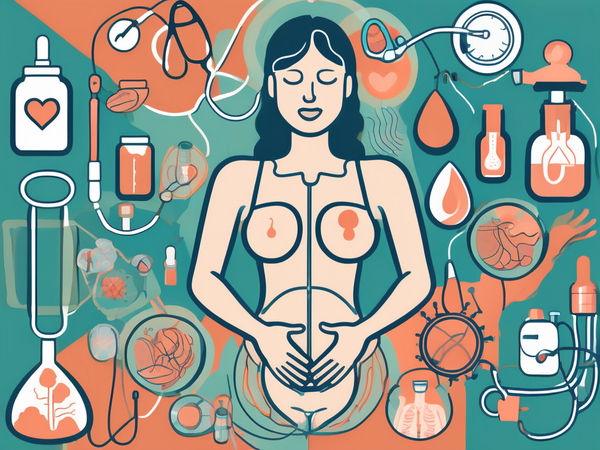
More than 30% of Indian women aged 15 to 49 are anemic. [NIH] That's not a small gap in the diet, that's a nationwide energy crisis hiding in plain sight, showing up as fatigue, hair fall, brittle nails, and that constant "why am I so tired" feeling. The World Health Organization classifies anemia as a public health concern once prevalence crosses 40% in a population, and India has been well past that mark for years. [NIH]
The frustrating part is that iron deficiency isn't usually caused by a lack of iron rich foods on Indian plates. Dals, greens, and jaggery have always been staples. The real issue is absorption, timing, and pairing. You could be eating iron rich food every single day and still be deficient if your body isn't absorbing it properly.
So let's fix both problems at once, what to eat and how to actually make your body use it.
Why Iron Deficiency Sneaks Up on You
Iron carries oxygen through your blood via hemoglobin. When levels drop, your organs and muscles get less oxygen, and everything from your brain to your hair follicles starts running on a deficit. This is exactly why iron rich foods for hair growth keeps trending, since hair follicles are among the first tissues to show stress when iron is low, leading to visible shedding and slow regrowth.
Women are hit hardest for a simple biological reason: menstrual blood loss. This is why iron rich foods for periods and iron rich foods for women are such heavily searched terms, especially among people noticing heavier fatigue right before or during their cycle. Add a vegetarian diet into the mix, which is extremely common across India, and absorption becomes even trickier, since plant based iron, called non-heme iron, is absorbed far less efficiently than the heme iron found in meat and fish.
The Grocery List: Iron Rich Foods You Already Walk Past
You don't need imported superfoods. Your local Indian grocery store or sabzi mandi already stocks some genuinely powerful options.
Leafy greens: Spinach (palak), fenugreek leaves (methi), and amaranth leaves (chaulai) are excellent iron rich foods for vegetarians. A cup of cooked spinach delivers roughly 3.5 mg of iron.
Legumes and pulses: Chana, rajma, moong dal, and masoor dal are pantry staples that double as iron rich foods for anemia. Chickpeas alone provide close to 4.7 mg of iron per cooked cup.
Jaggery (gud): A traditional favorite, especially post meals, jaggery contains iron along with trace minerals, though it should be used in moderation given its sugar content.
Sesame seeds (til) and pumpkin seeds: Small but mighty, a tablespoon of sesame seeds carries close to 1.3 mg of iron, and they're incredibly easy to sprinkle onto almost anything.
Ragi (finger millet): A rising star in Indian kitchens again, ragi is naturally iron rich and gluten free, making ragi dosa or ragi porridge a smart breakfast swap.
Dried fruits: Dates (khajur), raisins (kishmish), and dried apricots are compact, portable iron sources, perfect for a mid afternoon snack.
Beetroot: Often praised more for its iron myth than reality, beetroot's real strength lies in boosting blood flow and pairing beautifully with genuinely iron dense foods.
Soybeans and tofu: A cup of cooked soybeans has around 8.8 mg of iron, making it one of the richest plant sources available.

The Absorption Hack Nobody Talks About Enough
Here's where most people go wrong. Eating iron rich food isn't enough if you're pairing it badly.
Pair iron with Vitamin C.
Research published in the American Journal of Clinical Nutrition has shown that Vitamin C can significantly enhance non-heme iron absorption, in some studies by up to three to four times. [NIH] Practically, this means squeezing lemon over your dal, adding tomatoes to your sabzi, or having an orange alongside your spinach salad.
Avoid tea or coffee right after meals.
Tannins in tea and polyphenols in coffee bind to iron and reduce absorption significantly, an effect documented in multiple nutrition studies since the 1980s. Simply shifting your chai to an hour after meals instead of right after can make a real difference.
Soak and sprout your grains and legumes.
Soaking reduces phytic acid, a compound that naturally blocks iron absorption. This is why soaked moong or sprouted chana is more bioavailable than the same food cooked without soaking.
Cook in cast iron cookware.
Cooking acidic foods like tomato based curries in a cast iron kadhai can meaningfully increase the iron content of the final dish, sometimes by several times over.
Don't pair calcium heavy foods with iron meals.
Calcium competes with iron for absorption. This doesn't mean giving up dairy, just spacing your paneer or curd away from your main iron rich meal of the day.
Practical Ways to Build This Into Your Actual Routine
Breakfast: Swap regular flour dosa for ragi dosa, and add a side of orange or amla for the Vitamin C boost.
Mid morning snack: A small bowl of soaked raisins and almonds, or a date and sesame seed ladoo.
Lunch: Rajma or chana with a squeeze of lemon and a side of tomato salad, cooked in a cast iron kadhai if you have one at home.
Evening snack: Roasted chana or a handful of pumpkin seeds instead of packaged chips.
Dinner: Palak paneer, but have the curd separately rather than mixed in, and add a wedge of lemon to the sabzi.
Daily habit: Push your chai or coffee to an hour after meals rather than right alongside them.
These are small shifts, not a diet overhaul, and that's exactly why they stick.

Key Takeaways
-
Iron deficiency in India is largely an absorption and pairing problem, not a food availability problem.
-
Vitamin C rich foods like lemon, tomato, and citrus fruits can dramatically boost iron absorption when eaten together.
-
Tea and coffee right after meals significantly block iron absorption, so timing matters as much as food choice.
-
Everyday Indian staples like ragi, chana, spinach, jaggery, and sesame seeds are genuinely strong iron sources.
-
Small, consistent swaps like soaking grains, using cast iron cookware, and spacing calcium away from iron meals compound into real results over time.
-
When diet alone isn't closing the gap, especially in confirmed deficiency, a liposomal iron supplement can help. Liposomal iron is wrapped in a fat based layer that protects it from the gut irritation and poor absorption often linked to conventional iron tablets, making it a gentler and often more effective bridge while you rebuild iron levels through food.
Iron deficiency doesn't need a dramatic diet overhaul, it needs smarter pairing and a little consistency. The foods are already sitting in your kitchen. It's time to actually make them work for you.
FAQs
1.What are the best iron rich foods available in Indian grocery stores?
Spinach, methi leaves, chana, rajma, moong dal, ragi, sesame seeds, jaggery, dates, and soybeans are widely available and genuinely iron dense.
2. What are the best iron rich foods for vegetarians?
Legumes like chana and rajma, leafy greens like spinach and methi, ragi, sesame seeds, and soaked dried fruits are strong vegetarian sources, especially when paired with Vitamin C.
3. What are effective iron rich foods for anemia?
Foods like spinach, soybeans, jaggery, and legumes help, but pairing them with Vitamin C and avoiding tea right after meals is equally important for actually reversing anemia.
4. What are good iron rich foods for women?
Women, especially those with heavy menstrual cycles, benefit most from a consistent combination of legumes, leafy greens, and Vitamin C rich fruits daily rather than occasional iron rich meals.
5. What are the best iron rich foods for periods?
During periods, easily digestible options like moong dal, dates, jaggery, and spinach soup with lemon are gentle on the body while replenishing lost iron.
6. Do iron rich foods for hair growth actually work?
Yes, since hair follicles need adequate oxygen and nutrients to function, correcting an iron deficiency often shows visible improvement in hair fall and growth within a few months.
7. Which iron rich foods for hair should I prioritize?
Spinach, pumpkin seeds, soybeans, and lentils are particularly useful, alongside a Vitamin C source for better absorption.
8. Does cooking in cast iron cookware really increase iron content?
Yes, multiple studies confirm that cooking especially acidic foods in cast iron significantly increases the dish's final iron content.
9. Can I drink tea with my meals if I eat iron rich food?
It's better to wait about an hour after meals, since tannins in tea can meaningfully reduce how much iron your body absorbs.
10. How long does it take to see results after eating iron rich foods for anemia?
With consistent intake and proper pairing, mild deficiencies often show improvement in energy levels within 4 to 6 weeks, though a doctor's evaluation is recommended for confirmed anemia.

Recommended Products
 Liposomal Iron Complex |Pack of 60 Capsules
₹969 – ₹1,898
Liposomal Iron Complex |Pack of 60 Capsules
₹969 – ₹1,898
 Hair Fall Control
₹649 – ₹1,298
Hair Fall Control
₹649 – ₹1,298
 Vital Iron
₹649 – ₹1,298
Vital Iron
₹649 – ₹1,298
 Organic Vitamin C + Zinc
₹758 – ₹2,035
Organic Vitamin C + Zinc
₹758 – ₹2,035
 Multi + Omega 50+ Slow
₹1,357 – ₹2,658
Multi + Omega 50+ Slow
₹1,357 – ₹2,658
 Multi + Omega for Her Slow
₹1,357 – ₹2,658
Multi + Omega for Her Slow
₹1,357 – ₹2,658
 Multi + Omega for Him Slow
₹1,357 – ₹2,658
Multi + Omega for Him Slow
₹1,357 – ₹2,658