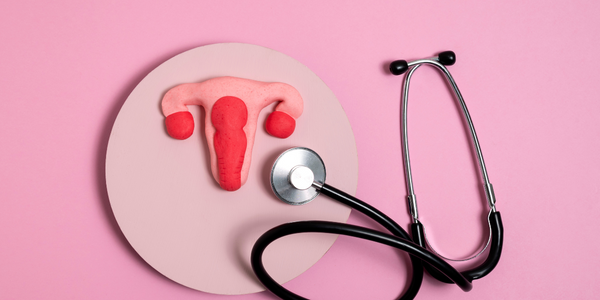
If you have been told you have PCOS and left a doctor's office with a birth control prescription and a vague instruction to "lose some weight," you are not alone. Millions of women have walked that exact path, confused, dismissed, and no closer to understanding what is actually happening inside their bodies.
But here is the plot twist the wellness world is finally catching up on: what we have been calling PCOS for decades might not even be the right name. And that naming error has been quietly shaping (and limiting) how it gets treated.
From PCOS to PMOS: The Rename That Changes Everything
Polycystic Ovary Syndrome has been the standard term since the 1930s when the condition was first described by Stein and Leventhal. The name stuck because early imaging showed multiple small cysts on the ovaries. Case closed, right?
Not quite.
Research over the last decade has revealed something critical: those "cysts" are not actually cysts at all. They are immature follicles, small egg-containing sacs that never fully developed or released. The ovaries themselves are often functioning. The problem is upstream, in the hormonal signalling that drives the ovarian cycle.
This is why a growing number of endocrinologists and reproductive health researchers are pushing to rename the condition Polycystic Ovary Metabolic Syndrome (PMOS) or more precisely, Polycystic Ovary Metabolic Disorder. The argument is straightforward: PCOS is fundamentally a metabolic and endocrine disorder, not a structural ovarian problem. The ovaries are a symptom site, not the cause.
The renaming matters enormously for treatment. When you treat it as a structural problem, you get birth control to mask symptoms. When you treat it as a metabolic disorder, you address insulin resistance, androgen excess, inflammation, and the HPA axis (the stress-cortisol system). You treat the root, not the reflection.
The condition affects 1 in 10 women globally and remains one of the most underdiagnosed and mismanaged conditions in modern medicine. Many women spend years cycling through diagnoses of depression, thyroid issues, and "stress" before PCOS is identified. The average time to diagnosis is still 2 years.
PCOS Symptoms: What Your Body Is Actually Trying to Tell You
The signs and symptoms of PCOS vary significantly between individuals, which is part of why it gets missed. But the core hormonal disruptions tend to express in predictable ways.
The hormonal reality: PCOS involves elevated androgens (male hormones like testosterone and DHEA), insulin resistance, and often dysregulated LH-to-FSH ratios. These three drivers create the downstream effects most women experience.
The full symptom picture:
-
Irregular or absent periods (the PCOS menstrual cycle is often unpredictable, ranging from 21 to 90-plus day cycles)
-
Difficulty losing weight despite diet and exercise, particularly around the abdomen
-
Unexpected weight gain with no clear dietary cause
-
Excess facial and body hair (hirsutism)
-
Hair thinning on the scalp (androgen-driven, similar to male-pattern hair loss)
-
Acne, particularly along the jawline, chin, and neck
-
Skin darkening (more on this shortly)
-
Mood dysregulation, anxiety, and depression
-
Fatigue that feels disproportionate to activity levels
-
Fertility challenges and recurrent miscarriage
The important nuance: you do not need all of these symptoms to have PCOS. The Rotterdam Criteria (the current diagnostic standard) requires just two of the following three: irregular ovulation, elevated androgens, or polycystic ovarian morphology on ultrasound.
PCOS Skin Problems: Why Your Skin Is the Loudest Messenger
Skin is where PCOS announces itself most visibly, and most painfully for many women.
PCOS acne is driven by androgens stimulating sebaceous glands to produce excess oil. It tends to be cystic, deep, and concentrated on the lower face. Unlike teenage acne, it does not respond well to topical treatments alone because the trigger is hormonal, not bacterial or cosmetic.
PCOS skin darkening, medically called acanthosis nigricans, is one of the most diagnostically important and least discussed symptoms. It appears as velvety, darkened patches of skin, typically at the neck, underarms, inner thighs, and groin. This is a direct marker of insulin resistance. When insulin levels are chronically elevated, it stimulates skin cells to overproduce, creating these thickened, darkened areas. It is not a hygiene issue. It is a metabolic signal.
PCOS and dark skin patches are also driven by post-inflammatory hyperpigmentation from cystic acne scarring, which heals more slowly in women with PCOS due to elevated androgens and impaired collagen turnover.
PCOS skin care that actually works must address the internal drivers alongside external care. Niacinamide for hyperpigmentation, azelaic acid for acne and redness, and SPF daily are the external non-negotiables. But without managing insulin and androgens internally, topical treatments are a temporary fix to a systemic problem.

PCOS and Weight: The Most Misunderstood Relationship in Women's Health
Does PCOS cause weight gain? Yes, and the mechanism is specific and important to understand.
Insulin resistance, present in up to 70% of women with PCOS, means the body produces more insulin to compensate for cells that are not responding effectively. High insulin drives fat storage, particularly in the abdomen. It also suppresses the body's ability to burn fat for fuel. This is why PCOS weight gain feels metabolically different and why standard calorie-restriction diets often fail women with PCOS completely.
High insulin also stimulates the ovaries to produce more androgens, creating the hormonal cycle that drives both the metabolic and reproductive symptoms simultaneously.
PCOS weight loss tips that are actually grounded in the physiology:
-
Prioritise protein at every meal. Protein blunts insulin response, preserves muscle mass, and reduces hunger hormones significantly. 25 to 35g per meal is a realistic and effective target.
-
Reduce refined carbohydrates and ultra-processed foods, not because "carbs are bad" but because fast-digesting carbohydrates drive the insulin spikes that perpetuate PCOS.
-
Strength training over cardio as the primary exercise modality. Muscle tissue is the most insulin-sensitive tissue in the body. More muscle means better glucose disposal and lower circulating insulin.
-
Eat in a consistent eating window. Irregular meal timing worsens insulin dysregulation. Three balanced meals with minimal snacking works better for most women with PCOS than continuous grazing.

Seed Cycling for PCOS: Trend or Legitimate Tool?
Seed cycling for PCOS has been circulating in the wellness space for years, and the evidence is emerging as more supportive than dismissive.
The practice involves eating specific seeds in alignment with the two phases of the menstrual cycle. During the follicular phase (day 1 to 14), flaxseeds and pumpkin seeds support oestrogen production and provide lignans that help clear excess hormones. During the luteal phase (day 15 to 28), sesame seeds and sunflower seeds support progesterone production.
The mechanism is real: flaxseeds contain lignans that modulate oestrogen receptor activity, and pumpkin seeds are rich in zinc which supports progesterone synthesis. Whether the effects are transformative or modest depends on the individual, but the risk is essentially zero and the nutritional benefit is independent of the hormonal claim. It is a practical, food-first tool worth adding.
Food as PCOS Medicine: The Anti-PCOS Plate
Foods that directly support PCOS management:
-
Spearmint tea: Two cups daily has been shown in clinical trials to reduce free testosterone levels meaningfully. It is one of the most surprising and accessible anti-androgen foods available.
-
Cinnamon: Half a teaspoon daily improves insulin sensitivity and has been shown in small trials to regulate menstrual cycle frequency in women with PCOS.
-
Cruciferous vegetables (broccoli, cauliflower, Brussels sprouts): Contain DIM (diindolylmethane), which supports oestrogen metabolism and helps the liver clear excess androgens.
-
Walnuts versus almonds: Walnuts lower testosterone and raise SHBG (sex hormone binding globulin, which binds free testosterone) in women with PCOS. Almonds raise SHBG without affecting testosterone. Both are useful, for different reasons.
-
High-fibre foods (lentils, chickpeas, oats, flaxseed): Fibre slows glucose absorption, reduces insulin spikes, and supports the gut microbiome, which plays a significant role in oestrogen metabolism.
-
Fatty fish and omega-3s: Reduce systemic inflammation and lower androgen levels. Two to three servings weekly is a meaningful intervention.
-
Turmeric: Curcumin has demonstrated the ability to reduce insulin resistance and lower inflammatory markers specifically relevant to PCOS in multiple studies.
Avoid or significantly reduce:
-
Refined sugar and white flour products
-
Dairy in large quantities (casein may increase IGF-1 and stimulate androgen production in some women)
-
Alcohol (impairs liver detoxification of excess oestrogen and androgens)
-
Seed oils high in omega-6 (sunflower, soybean oil) which worsen systemic inflammation
The PCOS Supplement Stack: What the Evidence Actually Supports
Ashwagandha is increasingly recognised as a powerful PCOS tool because of its dual action: it lowers cortisol (chronic stress worsens PCOS significantly by driving androgen production) and improves thyroid function, which is frequently dysregulated in PCOS. 300 to 600mg of KSM-66 standardised extract daily is the studied dose.
Shilajit resin is one of the more fascinating supplements gaining clinical attention for PCOS. Rich in fulvic acid and trace minerals, shilajit supports mitochondrial function and has shown in early research to improve FSH levels and follicular development in women with PCOS. It also supports iron levels, which are often depleted in women with heavy or irregular cycles.
Vitamin C and zinc work synergistically for PCOS. Zinc reduces androgen levels, supports progesterone production, and improves insulin sensitivity. Vitamin C supports adrenal function, reduces cortisol, and is directly used in ovarian follicle development. A vitamin C zinc tablet taken daily addresses multiple PCOS drivers simultaneously.
Inositol (myo-inositol and D-chiro-inositol): While not in the keyword list, this is arguably the most evidence-backed PCOS supplement available, improving insulin signalling, ovulation frequency, and hormonal balance. Worth researching and discussing with your healthcare provider.
Protein powders: Getting adequate protein is one of the most impactful dietary interventions for PCOS. For women who struggle to hit 25 to 35g of protein per meal through whole foods alone, a clean protein powder (whey isolate or pea protein for those avoiding dairy) is a practical tool, not just a fitness supplement. It supports insulin regulation, muscle preservation, and satiety directly relevant to PCOS weight management.
Trendy but Real: PCOS Management in 2025
Continuous Glucose Monitors (CGMs) for non-diabetics: Women with PCOS are increasingly using CGMs to understand their personal glucose responses to specific foods. What spikes one person's insulin may not spike another's. This personalised data is transforming how women manage PCOS through diet.
Cycle syncing: Aligning workouts, nutrition, and social commitments to the four phases of the menstrual cycle (or the approximate phases in irregular cycles) is gaining serious research support. High-intensity training in the follicular phase, strength training peaking around ovulation, and gentler movement in the luteal phase works with hormonal rhythms rather than against them.
Gut microbiome testing: The gut microbiome in women with PCOS is measurably different from those without, with lower microbial diversity and higher populations of bacteria that recirculate oestrogen. Targeted probiotic intervention (specifically Lactobacillus and Bifidobacterium strains) is an emerging PCOS management frontier.
Key Takeaways
-
PCOS is being renamed PMOS for a reason. It is a metabolic and endocrine disorder, not a structural ovarian problem. This reframing changes treatment from symptom suppression to root cause management and it changes everything.
-
PCOS skin darkening (acanthosis nigricans) is a metabolic warning sign, not a cosmetic issue. Dark patches at the neck and underarms signal insulin resistance and need to be addressed internally, not topically.
-
PCOS weight gain is driven by insulin resistance, not willpower. Standard calorie restriction without addressing insulin physiology is why most conventional weight loss advice fails women with PCOS. Protein, strength training, and low-glycaemic eating are the three levers that actually work.
-
Food is a frontline PCOS treatment. Spearmint tea, cinnamon, cruciferous vegetables, walnuts, and high-fibre foods are not wellness trends, they are evidence-backed dietary interventions that measurably shift androgen levels, insulin sensitivity, and cycle regularity.
-
The PCOS supplement stack of ashwagandha, shilajit resin, zinc plus vitamin C, and inositol addresses the condition from multiple biological angles. Combined with dietary changes, these supplements can produce measurable hormonal shifts within 3 to 6 months. Quality and standardisation of extracts matter enormously.
PCOS is not a life sentence. It is a metabolic message. Your body is not broken, it is asking for a different environment, different food, different movement, different stress load, and the right support. The science to reverse it exists. Now you have the cheat sheet.
FAQs
Q1. What are the most common PCOS symptoms in women in their 20s and 30s?
A: Irregular periods, acne along the jawline, unexplained weight gain especially around the abdomen, facial hair, scalp hair thinning, and difficulty conceiving are the most common presenting symptoms. Many women also report persistent fatigue and mood instability.
Q2. Does PCOS cause weight gain even with a healthy diet?
A: Yes. The insulin resistance underlying PCOS drives fat storage and inhibits fat burning independently of caloric intake. Women with PCOS frequently maintain weight or gain despite eating well, because the hormonal environment is fundamentally pro-storage.
Q3. What is seed cycling for PCOS and does it actually work?
A: Seed cycling involves eating flaxseeds and pumpkin seeds in the first half of the cycle and sesame and sunflower seeds in the second half to support oestrogen and progesterone respectively. The nutritional basis is sound (lignans, zinc, vitamin E, omega-3s) and while large-scale clinical trials are limited, the evidence is supportive and the risk is zero.
Q4. Why does PCOS cause skin darkening and what can be done about it?
A: Skin darkening (acanthosis nigricans) in PCOS is caused by chronically high insulin stimulating excess skin cell production. Improving insulin sensitivity through diet, exercise, and supplements like inositol and magnesium is the root-cause treatment. Topical retinoids and azelaic acid can help the appearance while the internal work is done.
Q5. Is ashwagandha good for PCOS?
A: Yes. Ashwagandha reduces cortisol (which directly worsens androgen production), supports thyroid function, and improves energy and mood, all relevant to PCOS. Choose KSM-66 or Sensoril standardised extract for verified potency.
Q6. What is the difference between PCOS and PMOS?
A: PMOS (Polycystic Ovary Metabolic Syndrome) is the proposed updated name recognising that the condition is primarily a metabolic and endocrine disorder driven by insulin resistance, androgen excess, and HPA axis dysregulation, not a structural ovarian problem. The cysts are immature follicles, a downstream symptom, not the cause.
Q7. How long does it take to manage PCOS symptoms naturally?
A: Most women begin to see measurable changes in skin, cycle regularity, and weight within 3 to 6 months of consistent dietary, lifestyle, and supplement intervention. Hormonal panels typically show improvement within the same window. It is not a quick fix, but the changes are real and lasting when the fundamentals are consistent.
Q8. What is the best protein powder for PCOS?
A: Whey isolate is highly effective for blood sugar regulation and muscle preservation. For women with dairy sensitivity (common in PCOS), pea protein or a pea-and-rice blend is an excellent alternative. Avoid protein powders with added sugars, artificial sweeteners, or seed oils, which can worsen insulin resistance and inflammation.
Q9. Can shilajit resin help with PCOS?
A: Emerging research suggests shilajit supports FSH levels, follicular development, and mitochondrial energy function, all relevant to PCOS. Its rich fulvic acid and mineral content also supports iron levels, which are frequently depleted. It is one of the more exciting newer additions to the PCOS supplement conversation.
Q10. How do I know if my PCOS is insulin-resistant type versus adrenal type?
A: Insulin-resistant PCOS is characterised by weight gain, skin darkening, sugar cravings, and high fasting insulin. Adrenal PCOS is driven by elevated DHEA-S (an adrenal androgen) often triggered by chronic stress, with less pronounced metabolic symptoms. Blood tests including fasting insulin, DHEA-S, and free testosterone can help differentiate. Treatment emphasis differs: insulin-resistant type focuses on metabolic interventions, adrenal type on cortisol and stress management, including ashwagandha and adaptogenic support.

Recommended Products
 Pure Ashwagandha
₹649 – ₹1,298
Pure Ashwagandha
₹649 – ₹1,298
 Shilajit Gold
₹1,039 – ₹2,078
Shilajit Gold
₹1,039 – ₹2,078
 Shilajit Resin
₹879 – ₹1,758
Shilajit Resin
₹879 – ₹1,758
 Whey Protein Concentrate 27g | 1kg | 4B CFU Probiotics | Unflavoured
₹4,749 – ₹9,498
Whey Protein Concentrate 27g | 1kg | 4B CFU Probiotics | Unflavoured
₹4,749 – ₹9,498
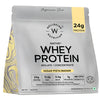 Whey Protein Isolate + Concentrate 24g | 1kg | 4B CFU Probiotics | Kesar Pista Badam
₹6,174 – ₹12,348
Whey Protein Isolate + Concentrate 24g | 1kg | 4B CFU Probiotics | Kesar Pista Badam
₹6,174 – ₹12,348
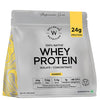 Whey Protein Isolate + Concentrate 24g | 1kg | 4B CFU Probiotics | Mango Flavoured
₹6,174 – ₹12,348
Whey Protein Isolate + Concentrate 24g | 1kg | 4B CFU Probiotics | Mango Flavoured
₹6,174 – ₹12,348
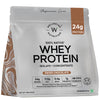 Whey Protein Isolate + Concentrate 24g | 1kg | 4B CFU Probiotics | Swiss Chocolate
₹6,174 – ₹12,348
Whey Protein Isolate + Concentrate 24g | 1kg | 4B CFU Probiotics | Swiss Chocolate
₹6,174 – ₹12,348
 PCOS Balance Slow
₹1,357 – ₹2,658
PCOS Balance Slow
₹1,357 – ₹2,658
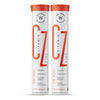 Organic Vitamin C + Zinc
₹758 – ₹2,035
Organic Vitamin C + Zinc
₹758 – ₹2,035