


You are eating reasonably well. You exercise occasionally. You are not doing anything obviously terrible. And yet something feels off. You are bloated after meals that should be fine. You are tired in a way sleep does not fix. Your skin flares up randomly. Your mood dips without a clear reason.
Nine times out of ten, the gut is involved.
The gut is not just a digestion machine. It is a command centre that influences your immune system, your hormones, your mental health, and yes, your skin. When it is working well, you barely notice it. When it is not, the signs show up everywhere, often in places you would never think to connect to your stomach.
This is your cheat sheet. Let's get into it.
The Signs of an Unhealthy Gut Most People Dismiss
Understanding the 10 signs of an unhealthy gut is the first step to actually doing something about it. Here is what to look out for, including the ones that rarely get talked about:
1. Bloating that feels like you swallowed a balloon. Occasional gas is normal. Consistent bloating after regular meals, especially ones that are not particularly heavy, signals bacterial imbalance or poor digestive enzyme function.
2. Unpredictable bowel movements. Constipation, diarrhoea, or alternating between both. The gut microbiome plays a direct role in regulating gut motility. When it is off, so is your schedule.
3. Constant fatigue, even after a full night of sleep. Serotonin, the neurotransmitter that regulates sleep and mood, is produced predominantly in the gut. Poor gut health literally disrupts sleep quality at a biochemical level.
4. Unexplained skin issues. Eczema, acne, rosacea, and psoriasis all have documented links to gut inflammation and microbiome imbalance. The gut-skin axis is one of the most exciting areas of current dermatology research.
5. Food intolerances that seem to multiply over time. This is one of the clearest signs of poor gut health. When the gut lining is compromised, partially digested food proteins leak into the bloodstream and trigger immune responses. Hence the term leaky gut.
6. Frequent illness or slow recovery. Since 70 to 80 percent of the immune system lives in the gut, a disrupted microbiome means a weakened immune response.
7. Brain fog and difficulty concentrating. The gut-brain axis is a real, bidirectional communication highway. Gut inflammation signals the brain through the vagus nerve and inflammatory cytokines, leading to cognitive sluggishness.
8. Mood shifts, anxiety, and low motivation. Nearly 95 percent of the body's serotonin is made in the gut. Disrupted gut bacteria directly affects mood regulation.
9. Sugar and carb cravings that feel uncontrollable. Certain harmful gut bacteria actually signal the brain to crave the foods they thrive on. You are not weak-willed. Your bacteria might be running the show.
10. Bad breath that persists despite oral hygiene. Chronic bad breath often originates in the gut, not the mouth, particularly when there is an overgrowth of harmful bacteria or yeast in the digestive tract.

Signs Leaky Gut Is Healing (So You Know You Are on the Right Track)
If you are already on a gut repair protocol, here is what improvement actually looks like. Signs leaky gut is healing include: reduced bloating and gas within 2 to 4 weeks, fewer food sensitivities over 8 to 12 weeks, improved energy and sleep quality, clearer skin, more stable moods, and regular, comfortable bowel movements. Healing is not linear, but these markers confirm you are moving in the right direction.
How to Fix Gut Health: The Food-First Approach
The most powerful way to improve gut health naturally does not require an expensive protocol. It starts with what you eat every single day.
Load Up on Fibre (And the Right Kind)
Fibre is the primary food source for your beneficial gut bacteria. Without it, they literally starve and the harmful bacteria take over. Most people eat less than half the recommended daily fibre intake.
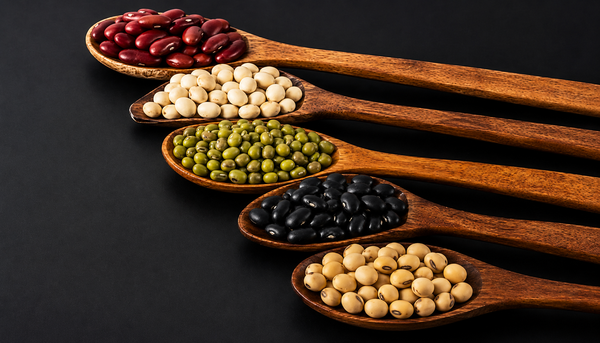
The best foods to improve gut health through fibre include lentils, chickpeas, oats, apples (with skin), flaxseeds, chia seeds, and resistant starch sources like cooked and cooled rice or potatoes. Resistant starch is particularly powerful because it passes undigested to the colon where it feeds the most beneficial bacterial strains.

Eat Fermented Foods Every Day
Fermented foods are the fastest way to introduce beneficial bacteria into your gut. A landmark Stanford study in 2021 found that a diet high in fermented foods significantly increased microbiome diversity and reduced inflammatory markers within just 10 weeks.
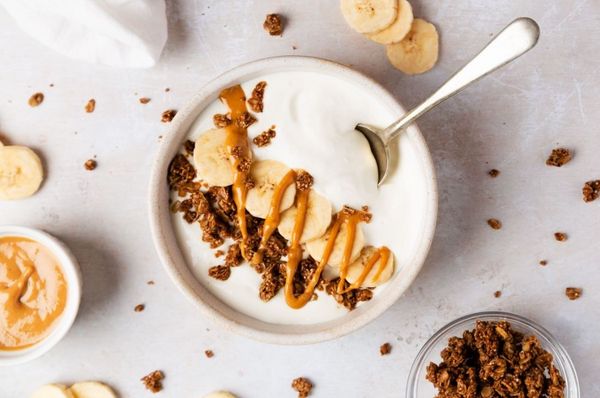
Best options: plain yoghurt with live cultures, kefir, kimchi, sauerkraut, miso, and traditional buttermilk. These are practical, affordable, and genuinely effective best foods to improve gut health.
Did you know? Kefir contains up to 61 different strains of beneficial bacteria and yeasts. Most commercial probiotic supplements contain between 1 and 10 strains. Food wins here.
Polyphenol-Rich Foods: The Prebiotic You Didn't Know About
Polyphenols are plant compounds found in berries, dark chocolate, green tea, olive oil, and red onions. They are not just antioxidants. They selectively feed beneficial bacteria like Lactobacillus and Bifidobacterium while inhibiting harmful strains.
This makes them one of the most underappreciated food categories when it comes to how to improve gut bacteria. Including a variety of polyphenol-rich foods daily is a low-effort, high-return habit.
Bone Broth: Old Remedy, Real Science
Bone broth contains glutamine, an amino acid that is the primary fuel source for the cells lining the intestinal wall. It directly supports gut lining integrity, making it one of the most targeted foods to fix leaky gut. Simmer for at least 12 hours for maximum collagen and glutamine extraction.
Drinks to Improve Gut Health Worth Knowing
Water first, always. Dehydration slows gut motility and creates a less hospitable environment for beneficial bacteria. Beyond water, the best drinks to improve gut health include ginger tea (anti-inflammatory and prokinetic, meaning it helps move food through the digestive tract), green tea (prebiotic polyphenols), kombucha in small amounts (live cultures), and warm lemon water in the morning (stimulates digestive enzymes).
Foods That Actively Damage Gut Health
Knowing how to improve gut health also means knowing what tears it down:
Artificial sweeteners like aspartame and sucralose have been shown in research to disrupt the microbiome and reduce beneficial bacterial populations even at doses considered safe by food authorities.
Antibiotics are necessary when needed but wipe out both harmful and beneficial bacteria indiscriminately. Always rebuild with probiotics and fermented foods after a course.
Ultra-processed food is consistently linked in large-scale studies to reduced microbiome diversity, which is one of the strongest predictors of poor long-term gut and metabolic health.
Chronic alcohol disrupts the gut lining, feeds harmful bacteria, and reduces the production of digestive enzymes.
The Supplement Stack That Actually Supports Gut Repair
Food is the foundation. But targeted gut health supplements can meaningfully accelerate healing and fill real gaps.
Probiotics capsules deliver specific, clinically studied bacterial strains directly to the gut. Look for multi-strain formulas with at least 10 billion CFU and strains like Lactobacillus rhamnosus, Bifidobacterium longum, and Lactobacillus acidophilus. The evidence is strongest for these specific strains in reducing bloating, improving bowel regularity, and supporting immune function.
Prebiotic tablets feed the beneficial bacteria you already have and those introduced by probiotics. They typically contain inulin, FOS (fructooligosaccharides), or GOS (galactooligosaccharides). Prebiotics and probiotics together, often called synbiotics, work significantly better than either alone for how to fix leaky gut and rebuild microbial diversity.
Fibre supplement options like psyllium husk are particularly useful for people who cannot consistently hit their dietary fibre targets. Psyllium is one of the most researched fibre supplements for improving bowel regularity and feeding beneficial bacteria, and it also helps regulate blood sugar.
A good-quality combination of probiotics capsules and prebiotic tablets used consistently for 8 to 12 weeks is currently one of the most evidence-backed protocols for measurable gut health improvement.
5 Key Takeaways
-
Your gut affects everything, from your mood and energy to your skin and immunity. The 10 signs of an unhealthy gut rarely announce themselves as digestive problems. Learn to read the signals across your whole body.
-
Microbiome diversity is the goal. The more diverse your gut bacteria, the more resilient your health. Eating a wide variety of plant foods is the single most effective way to build that diversity.
-
Fermented foods and fibre are your two non-negotiables when it comes to how to improve gut health naturally. They are practical, affordable, and backed by robust research.
-
Artificial sweeteners, ultra-processed food, and chronic stress are three of the most significant and under-discussed disruptors of gut health. Reducing any one of them creates measurable improvement.
-
Probiotics capsules and prebiotic tablets work best together and show the strongest results when used consistently for at least 8 to 12 weeks alongside dietary changes, not as a shortcut around them.
FAQs: How to Improve Gut Health
Q1. How long does it take to fix gut health?
Early improvements in digestion and bloating can appear within 2 to 4 weeks of consistent dietary changes. Deeper microbiome restoration and leaky gut healing typically takes 3 to 6 months of sustained effort.
Q2. What are the most important foods to improve gut health?
Fermented foods, high-fibre plant foods, polyphenol-rich produce, and bone broth collectively cover the most ground. Start with one consistent addition before trying to overhaul everything at once.
Q3. Can stress damage gut health?
Yes, significantly. The gut-brain axis means psychological stress directly alters gut motility, gut lining permeability, and microbiome composition. Stress management is a non-negotiable part of how to improve gut health.
Q4. Are probiotics capsules worth taking?
Yes, when the right strains are chosen and they are taken consistently. Look for clinically studied strains, a CFU count of at least 10 billion, and refrigerated or properly stabilised formulas for viability.
Q5. What is the difference between prebiotic tablets and probiotics capsules?
Probiotics introduce beneficial bacteria. Prebiotics feed the bacteria already present. Both are needed for a well-functioning microbiome, which is why combination use is recommended.
Q6. Is a fibre supplement necessary if I eat vegetables?
Not always, but most people eat far less fibre than needed. If you regularly experience constipation, bloating, or inconsistent bowel habits, a fibre supplement like psyllium husk is a practical, low-risk addition.
Q7. What are the clearest signs leaky gut is healing?
Reduced bloating, improved energy, fewer food sensitivities, clearer skin, and more stable mood are the most consistent markers. These typically appear in that order over 8 to 12 weeks of targeted intervention.
Q8. How do I improve gut bacteria quickly?
The fastest approach is combining daily fermented food intake with a high-diversity plant diet and a quality probiotic. Removing ultra-processed food simultaneously accelerates the shift in bacterial populations.
Q9. Are drinks to improve gut health actually effective?
Certain ones, yes. Kefir, kombucha in small amounts, ginger tea, and green tea all have evidence behind their gut benefits. Plain water remains the most important gut health drink of all.
Q10. Can poor gut health cause anxiety and depression?
Research increasingly supports a direct link. Disrupted gut bacteria reduce serotonin and GABA production, increase systemic inflammation, and alter vagus nerve signalling, all of which contribute to anxiety and low mood. Gut health is mental health.

Recommended Products
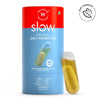 Daily Probiotic Slow
₹1,357 – ₹2,658
Daily Probiotic Slow
₹1,357 – ₹2,658
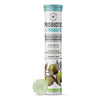 Probiotic + Prebiotic
₹664 – ₹3,355
Probiotic + Prebiotic
₹664 – ₹3,355
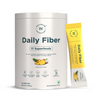 Daily Fiber | Pina Colada Flavour
₹872 – ₹1,708
Daily Fiber | Pina Colada Flavour
₹872 – ₹1,708
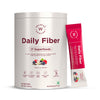 Daily Fiber | Vanilla Berry Flavour
₹872 – ₹1,708
Daily Fiber | Vanilla Berry Flavour
₹872 – ₹1,708










Leave a comment