


You know that feeling at 2 PM when your brain just... stops? You had a full lunch. Dal, rice, maybe a sabzi. You did everything right. And yet here you are, staring at your screen, desperately calculating if you can squeeze in a 10-minute nap before your next meeting.
This is not a "you" problem. This is a metabolism problem.
And no, you don't need to start going to the gym at 5 AM or give up rice forever. The fix is simpler and a lot more lunch-friendly than you think.
First, What Even Is Metabolic Flexibility?
Let's keep this simple. Metabolic flexibility is your body's ability to switch smoothly between two fuel sources: carbohydrates and fats. When this system works well, you eat a meal, your body processes it efficiently, and your energy stays steady for hours. No crash. No cravings. No wanting to sleep under your desk.
When metabolic flexibility is poor, your body struggles to handle carbohydrates well. Blood sugar spikes after lunch, insulin rushes in to deal with it, blood sugar crashes, and suddenly you are reaching for chai number three and a packet of biscuits just to survive the afternoon.
This is incredibly common in India right now. Our food culture is rich and delicious but often skews heavily towards refined carbohydrates. White rice, maida, sugary chai, processed snacks. Over time, this pattern quietly chips away at your metabolic flexibility.
The good news: one of the easiest ways to fix metabolic flexibility is fiber. And you do not need to overhaul your entire life to get more of it. You just need to rethink your lunch, a little bit.
Here are 6 easy ways to metabolic flexibility through your midday meal.
1. Eat Your Salad or Raita First, Not as an Afterthought
In most Indian households, the salad or raita sits on the side of the plate and gets eaten somewhere in between bites of roti and dal, if at all. Flip that habit. Eat the salad or raita first, before anything else on your plate.
This one small change can significantly reduce the blood sugar spike from the rest of your meal.
A clinical trial published in Nutrients (2020) found that eating vegetables before carbohydrates reduced post-meal blood sugar spikes by up to 37% in participants with type 2 diabetes. [NIH]
The fiber in the vegetables creates a sort of slow-down effect in your gut. It physically slows the absorption of sugar from the rice or roti that comes after.

2. Your Dal Is Doing More Work Than You Realize
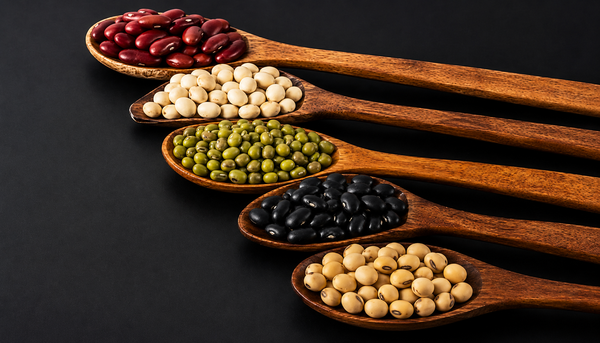
If there is one Indian food that deserves a standing ovation for supporting metabolic flexibility, it is dal. Moong, masoor, chana, toor. Any of them. All of them.
Lentils are loaded with both soluble and insoluble fiber plus plant protein. That combination is a powerful one. It keeps blood sugar stable, keeps you full, and feeds the good bacteria in your gut. And here is the part most people do not know: your gut bacteria are directly connected to how well your metabolism works.
A systematic review found that regular legume consumption significantly improved glycemic control and reduced insulin resistance in adults. [NIH]
The tadka dal your grandmother made every day? That was not just comfort food. That was a gut health supplement in disguise. Make sure dal shows up at lunch every single day. Not as a side thought. As the hero of the meal.
3. Mix Up Your Grains Without Giving Up What You Love
No one is asking you to break up with rice. This is not that kind of blog. But even replacing 30 to 40 percent of your white rice with millets like jowar, bajra or ragi, or mixing in some cooked brown rice, makes a meaningful difference to your fiber intake and your metabolic flexibility.
Millets have been a part of Indian food for thousands of years and they are having a very well-deserved comeback. They are high in fiber, lower on the glycemic index compared to white rice, and they keep you fuller for longer. Fewer 4 PM biscuit raids. Genuinely.

4. Make One Sabzi That Is Actually a Vegetable
Look honestly at your lunch plate. Is your sabzi 90 percent potato with 10 percent some vegetable, or is it genuinely vegetable-forward? There is no shame here because aloo is delicious. But if your goal is to fix metabolic flexibility and keep your energy steady through the afternoon, try swapping in a high-fiber vegetable for at least one sabzi a day.
The best options for your gut balance and metabolic health: bhindi (okra), beans, baingan, lauki, palak, tinda, karela. These are all low in glycemic load, high in fiber, and genuinely support a healthy gut environment.

5. Add Flaxseeds or Besan to Your Atta
This is the laziest healthy lifestyle tip you will ever hear and it actually works. When you are kneading your roti dough, throw in one to two tablespoons of ground flaxseeds or besan per cup of atta. Mix and make rotis as usual.
Ground flaxseeds are one of the most fiber-dense foods you can add to any meal. They are also rich in omega-3 fatty acids and lignans, which support gut health and overall metabolic function. Besan increases the protein and fiber content of your rotis without changing the flavor in any significant way.
No new cooking skills required. No new recipe to follow. Just add and knead.
6. Swap Post-Lunch Mithai for a Piece of Fruit
This one will be controversial. But hear it out.
Post-lunch meetha is a beautiful ritual. The small piece of jaggery, the gulab jamun, the kheer. But refined sugar hits your bloodstream fast and contributes directly to the afternoon energy crash that disrupts your metabolic flexibility over time.
Whole fruit, on the other hand, comes with fiber intact. That fiber slows down how quickly the natural sugar in fruit enters your blood. A piece of guava, papaya, jamun or watermelon after lunch gives you the sweetness your brain is craving without the crash.

Jamun has also been studied for its potential to support blood sugar regulation, which makes it a particularly smart post-lunch choice.
You do not have to give up mithai completely. But try fruit after lunch on most days and see how your 3 PM energy feels in two weeks.
What About Gut Health Supplements?
Food always comes first. But if your meals are not consistently fiber-rich, a good dietary fiber supplement (look for psyllium husk or inulin-based options) can help bridge the gap. Prebiotic tablets and probiotic capsules can further support gut balance by feeding and replenishing the beneficial bacteria that make your metabolism run smoothly.
Think of gut health supplements as a safety net, not a shortcut. The foundation is always your plate.
Key Takeaways
-
Metabolic flexibility is your body's ability to switch efficiently between fuel sources. Poor metabolic flexibility leads to energy crashes, brain fog and afternoon cravings after meals. It is one of the most common and most fixable issues in urban India right now.
-
Fiber is one of the most powerful and accessible tools to fix metabolic flexibility. It slows glucose absorption, feeds your gut bacteria, and supports steady sustained energy after meals.
-
You do not need to change everything. Eating your raita or salad first, making dal the star of lunch, and adding flaxseeds to your atta are enough to produce a real difference without disrupting your food culture.
-
Your gut balance is directly connected to your metabolic health. A diet rich in diverse fiber supports a healthier gut microbiome, which in turn supports better insulin sensitivity and metabolic flexibility.
-
Consistency matters more than perfection. Fiber-maxing even four to five lunches a week will produce noticeable changes in energy, focus and post-meal wellbeing within two to three weeks.
FAQs
1. What is metabolic flexibility in simple terms?
It is your body's ability to efficiently use whatever fuel is available, whether that is carbohydrates from your rice or fat from stored body fat. When metabolic flexibility works well, your energy stays steady after meals. When it is poor, you get spikes and crashes.
2. How does fiber help fix metabolic flexibility?
Fiber slows down how fast sugar from your food enters your bloodstream. This prevents sharp insulin spikes and crashes. Over time, a fiber-rich diet also improves gut microbiome diversity, which has a direct positive impact on how efficiently your cells use energy.
3. How much fiber do I need per day?
Indian dietary guidelines recommend around 25 to 40 grams per day for adults. Most urban Indians get significantly less than this. Fiber-maxing your lunch is one of the most practical ways to close that gap without tracking everything obsessively.
4. Will eating more fiber cause bloating?
It can, especially if you increase fiber intake too quickly. The solution is to increase gradually, drink enough water through the day, and give your gut bacteria two to three weeks to adjust. Most people find discomfort reduces significantly once the gut adapts.
5. Is dal really enough or do I need a dietary fiber supplement?
Dal is genuinely one of the best fiber sources available in the Indian diet. If you are eating dal daily along with vegetables and whole grains, you are already doing well. A dietary fiber supplement like psyllium husk can be useful on days when your meals fall short, but it is not a replacement for food.
6. Can prebiotic tablets and probiotic capsules help with metabolic flexibility?
Yes, indirectly. Prebiotic tablets feed the beneficial bacteria in your gut. Probiotic capsules add more of those bacteria. A healthier gut microbiome is associated with better insulin sensitivity and more stable blood sugar. Think of them as support for your overall gut balance, not a standalone fix.
7. Do I have to give up white rice to improve metabolic flexibility?
No. You can keep white rice as part of your meals. The key is pairing it well: eat your vegetables first, have a good portion of dal alongside, and consider mixing in some millet or brown rice. These combinations slow glucose absorption meaningfully without eliminating rice.
8. What are the best vegetables for gut balance and metabolic health?
Bhindi, beans, palak, lauki, baingan and brinjal are all excellent options. They are high in fiber, low in glycemic load, and support a healthy gut environment. Eating a variety is better than sticking to just one or two, since different vegetables feed different strains of gut bacteria.
9. What is the quickest first step I can take today?
Eat your salad or raita before the main meal. It costs nothing, takes no extra cooking, and the clinical evidence on eating vegetables before carbohydrates is genuinely strong. Start there and build from it.
10. How long before I notice a difference in energy and metabolic flexibility?
Most people notice reduced afternoon energy crashes and fewer post-lunch cravings within one to two weeks of consistently increasing fiber at lunch. Deeper improvements in metabolic flexibility, including better blood sugar stability and more sustained focus, tend to show up over two to three months of sustained habit change.

Recommended Products
 Probiotic + Prebiotic
₹559 – ₹3,355
Probiotic + Prebiotic
₹559 – ₹3,355
 Daily Probiotic Slow
₹1,119 – ₹2,238
Daily Probiotic Slow
₹1,119 – ₹2,238
 Daily Fiber | Pina Colada Flavour
₹719 – ₹1,438
Daily Fiber | Pina Colada Flavour
₹719 – ₹1,438
 Daily Fiber | Vanilla Berry Flavour
₹719 – ₹1,438
Daily Fiber | Vanilla Berry Flavour
₹719 – ₹1,438













Leave a comment