


Your cleanser isn't doing the job your gut should be.
If your skin keeps breaking out, going dull, or flaring up and you've already tried every topical fix, the problem probably isn't on your face. It's about 30 feet lower.
What Your Skin Is Actually Trying to Tell You
Most people treat skin problems as skin problems. They switch serums, double-cleanse, go fragrance-free. Sometimes it helps. Often, it doesn't. Because the root of the issue isn't in the epidermis. It's in the gut.
The gut skin axis is the two-way communication system between your digestive tract and your skin. It's not a metaphor. It's a real, documented biological highway made up of immune signals, hormones, nerve pathways, and microbial metabolites, all of which influence how your skin looks, behaves, and heals.
When gut health and skin are discussed together in research, what keeps coming up is this: people with chronic skin conditions like acne, eczema, rosacea, and psoriasis consistently show abnormal gut microbiome profiles. The disruption isn't just a correlation. The disruption is causal.
Does gut health affect skin? The short answer is yes, profoundly. And once you understand why, you'll stop treating breakouts like a surface problem.
What's Actually Happening in the Gut
Your gut is home to roughly 38 trillion bacteria, fungi, and other microorganisms. Collectively called the skin and gut microbiome (yes, the skin has its own microbiome too), these organisms do far more than aid digestion. They regulate immune response, produce vitamins, synthesize neurotransmitters, and maintain the integrity of the gut lining itself.
That lining matters enormously for skin. Think of it as a one-cell-thick wall separating your bloodstream from everything you've eaten.
When gut health and skin health are connected in research, the mechanism most consistently implicated is intestinal permeability, more commonly called "leaky gut." When this wall is compromised, partially digested food particles and bacterial fragments slip into the bloodstream. The immune system responds with systemic inflammation. That inflammation lands on the skin as redness, congestion, and breakouts.

Gut bacteria and skin health are also connected through a less obvious route: short-chain fatty acids (SCFAs). When beneficial bacteria ferment dietary fiber, they produce SCFAs like butyrate and propionate.
These compounds regulate the immune cells that patrol your skin, suppress inflammatory cytokines, and influence sebum production. Low SCFA output from a low-fiber diet is directly tied to higher rates of inflammatory skin conditions.
The gut and skin connection also runs through the gut-brain-skin axis. Stress triggers gut dysbiosis (imbalance in gut bacteria), which increases intestinal permeability, which increases systemic inflammation, which worsens skin flares. This is why your skin breaks out after a stressful week even when your skincare routine hasn't changed (NIH).

Gut health and skin problems like rosacea have a particularly strong documented link. Studies show that patients with rosacea have rates of small intestinal bacterial overgrowth (SIBO) up to 13 times higher than healthy controls. When SIBO was treated in these patients, rosacea symptoms improved significantly in the majority of cases, without changing any topical treatment (NIH).
The skin gut axis is, in essence, a mirror. What you do to one, you do to the other.
What Disrupts the Gut-Skin Axis
Before getting to solutions, it helps to know what breaks this system in the first place.
-
Ultra-processed foods reduce microbiome diversity within days. Diversity is critical because different bacterial strains produce different metabolites, that further gives a full spectrum of SCFA production and immune regulation.
-
Antibiotics wipe out beneficial bacteria alongside harmful ones. Ironically, the antibiotics most commonly prescribed for acne are also the ones most likely to cause gut dysbiosis, which may explain why antibiotic-treated acne often returns or worsens over time.
-
Low fiber intake starves the bacteria that produce butyrate and propionate. These SCFAs are not optional for skin health, they are foundational to it.
-
Chronic stress elevates cortisol, which alters gut motility, reduces mucus production, and increases permeability. The gut-brain-skin loop is self-reinforcing: a stressed gut signals a stressed skin, and a stressed skin signals more cortisol.

How to Actually Build a Gut That Supports Clear Skin
The goal is microbial diversity, a strong gut lining, and consistent SCFA production. Here's how each of those works in practice.
Fiber first, every day: Gut bacteria need fermentable fiber to produce the SCFAs that regulate skin immunity. A Dietary Fiber Supplement is one of the most practical ways to bridge the gap between what most people eat and what the gut actually needs.
👉Look for sources like inulin, or fructooligosaccharides, these are the forms that reach the colon intact and feed the right bacteria.
Introduce live cultures through fermented foods or a well-formulated probiotic: Curd, kanji, idli batter, kimchi, all useful. For a more targeted approach, probiotic capsules with clinically studied strains like Lactobacillus rhamnosus and Bifidobacterium longum have direct research support for improving both gut barrier integrity and inflammatory skin conditions (NIH).
Prebiotics feed what you already have: Prebiotic tablets that contain specific fibers like chicory root inulin or galactooligosaccharides help existing beneficial bacteria thrive and outcompete inflammatory strains. Think of probiotics as adding the right workers, and prebiotics as building the right environment for them.
Address collagen production from the inside. The gut lining and the skin share structural proteins, particularly collagen. When the gut is inflamed, collagen synthesis is suppressed systemically (NIH).
Matcha collagen and vegan collagen boosters (which typically work by supplying the precursor amino acids and cofactors for your body's own collagen synthesis) support both gut lining repair and skin elasticity simultaneously. This dual action is why collagen-supportive nutrition keeps showing up in skin and gut health research.
For a comprehensive daily approach to gut health for clear skin, the sequence looks like this:
Fiber and prebiotics to feed the microbiome, probiotics to diversify it, collagen support to repair the lining, and reduced processed food intake to stop actively disrupting it.
Gut health supplements should not be a substitute for dietary change but for most people eating a modern Indian diet that is lower in raw fiber than traditional diets were, they provide meaningful, measurable support.

Key Takeaways
-
The gut skin connection is bidirectional and biological: gut dysbiosis causes systemic inflammation that directly damages skin quality
-
Leaky gut (intestinal permeability) is one of the central mechanisms linking poor gut health and skin problems like acne, rosacea, and eczema
-
Short-chain fatty acids from fiber fermentation regulate skin immunity and sebum production. Low fiber = low SCFAs = higher inflammation
-
Rosacea, acne, and eczema all have documented associations with specific gut microbiome imbalances, not just general "inflammation"
-
Healthy gut healthy skin is not a wellness slogan, it reflects a shared immune and structural system that responds to the same inputs
-
How to clean your gut for clear skin comes down to four consistent actions: feed the microbiome, diversify it, repair the gut lining, and stop feeding inflammatory bacterial strains
Conclusion
Skin is not self-contained. It is downstream of the gut, the immune system, the stress response, and the food choices you made last week. Treating it only from the outside is like cleaning the exhaust pipe without looking at the engine.
The gut skin axis is increasingly where serious dermatology and nutrition science are converging. The research is not preliminary. The mechanism is not vague. If your skin has been doing something your topicals can't fix, start asking different questions and start asking them 30 feet lower.
Frequently Asked Questions
1. What is the gut skin axis?
The gut skin axis refers to the bidirectional communication network between the gastrointestinal tract and the skin. This network includes immune signaling, microbial metabolites (like short-chain fatty acids), hormonal pathways, and the gut-brain-skin connection. Disruptions in gut health create systemic changes that show up visibly on the skin.
2. Does gut health affect skin conditions like acne and eczema?
Yes, significantly. Research consistently shows that people with acne, eczema, rosacea, and psoriasis have measurably different gut microbiome profiles compared to people with clear skin. Gut health and skin conditions share underlying mechanisms, particularly intestinal permeability and systemic inflammation driven by dysbiotic gut bacteria.
3. How long does it take for gut changes to show on the skin?
The gut lining renews every 3 to 5 days, and microbiome composition can shift within a week of sustained dietary change. Visible skin improvement typically follows in 4 to 8 weeks. Interventions like probiotic capsules with clinically studied strains show skin changes in 8 to 12 weeks in published trials.
4. What is the best diet for gut health and clear skin?
A diet high in fermentable fiber (vegetables, legumes, whole grains), fermented foods (curd, kanji, kimchi), and low in ultra-processed food supports both microbiome diversity and skin health. Adding a Dietary Fiber Supplement can help bridge gaps, especially if daily vegetable intake is low.
5. Can probiotics help with skin problems?
Targeted probiotic strains, particularly Lactobacillus rhamnosus, Lactobacillus acidophilus, and Bifidobacterium species have clinical support for reducing inflammatory skin conditions. Probiotic capsules work by restoring microbial balance, strengthening the gut lining, and reducing the systemic inflammation that shows up as breakouts and flares.
6. What is leaky gut and how does it affect skin?
Leaky gut (intestinal permeability) occurs when the single-cell-thick lining of the gut wall is compromised, allowing bacterial fragments and undigested food particles to enter the bloodstream. The immune system mounts an inflammatory response that can manifest on the skin as acne, redness, rosacea, or eczema flares. This is one of the central mechanisms in gut health and skin problems.
7. Are prebiotic tablets useful for skin health?
Prebiotic tablets feed the beneficial bacteria already living in your gut, helping them produce short-chain fatty acids like butyrate which regulate skin immunity and reduce inflammatory signaling. Prebiotics are most effective when taken alongside a fiber-rich diet or a good probiotic.
8. What role does collagen play in gut and skin health?
Collagen is a structural protein shared by both the gut lining and the skin. When gut inflammation is chronic, collagen synthesis is suppressed systemically, weakening both. Matcha collagen and vegan collagen boosters supply amino acid precursors and cofactors that support the body's own collagen production, helping repair the gut lining while also benefiting skin elasticity and hydration.
9. Can stress cause skin problems through the gut?
Yes. Chronic stress elevates cortisol, which alters gut motility, reduces protective mucus production, and increases intestinal permeability. This triggers systemic inflammation that reaches the skin. The gut-brain-skin loop is self-reinforcing, which is why stress-related skin flares are not purely "psychological", they are physiological and gut-mediated.
10. How do I start improving my gut health for better skin?
Start with fiber: aim for 25 to 38 grams daily from food, using a Dietary Fiber Supplement to bridge the gap if needed. Add fermented foods or probiotic capsules with clinically validated strains. Reduce ultra-processed food intake, which depletes microbiome diversity rapidly. Consider gut health supplements that combine prebiotic and probiotic support for a complete approach.
The Gut Reset Stack
What a Gut-First Skin Routine Actually Looks Like
Step 1 -- Feed It
Dietary Fiber Supplement
Fermentable fiber reaches the colon and feeds SCFA-producing bacteria.
Look for: inulin, fructooligosaccharides (FOS)
Step 2 -- Seed It
Probiotic Capsules
Clinically studied strains rebuild microbial diversity and strengthen the gut lining.
Look for: L. rhamnosus, B. longum
Step 3 -- Build the Terrain
Prebiotic Tablets
Feed what's already there. Prebiotics help beneficial bacteria outcompete inflammatory strains.
Think of it as: probiotics = workers, prebiotics = infrastructure
Step 4 -- Repair the Lining
Matcha Collagen / Vegan Collagen
Gut lining and skin share collagen structure.
Systemic inflammation suppresses collagen synthesis in both.
This isn't a skincare routine. It's a gut routine that shows up on your skin.

Recommended Products
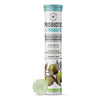 Probiotic + Prebiotic
₹664 – ₹3,355
Probiotic + Prebiotic
₹664 – ₹3,355
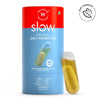 Daily Probiotic Slow
₹1,357 – ₹2,658
Daily Probiotic Slow
₹1,357 – ₹2,658
 Matcha Collagen
₹1,614
Matcha Collagen
₹1,614
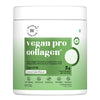 Vegan Pro Collagen Lemon Lime
₹1,745 – ₹3,418
Vegan Pro Collagen Lemon Lime
₹1,745 – ₹3,418
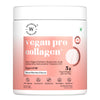 Vegan Pro Collagen Mixed Berries
₹1,745 – ₹3,418
Vegan Pro Collagen Mixed Berries
₹1,745 – ₹3,418
 Daily Fiber | Vanilla Berry Flavour
₹872 – ₹1,708
Daily Fiber | Vanilla Berry Flavour
₹872 – ₹1,708
 Daily Fiber | Pina Colada Flavour
₹872 – ₹1,708
Daily Fiber | Pina Colada Flavour
₹872 – ₹1,708














Leave a comment