


Your gut has been quietly sending you signals. The bloating that shows up after meals you used to tolerate fine. The skin flare-ups that your dermatologist keeps calling "idiopathic." The fatigue that no amount of sleep fixes. These are not random. They might all be pointing to the same thing: your gut lining has sprung a leak.
Here's the good news upfront: leaky gut is reversible. It's not a life sentence. But understanding how to actually reverse leaky gut requires knowing what broke it in the first place.
What Is Leaky Gut, Really?
The clinical term is intestinal permeability. Your small intestine is lined with a single layer of cells held together by structures called tight junction proteins. Think of them as the door locks of your gut wall. When everything is working, they decide what gets through nutrients in, toxins out.
When those locks weaken, the barrier gets leaky. Undigested food particles, bacterial endotoxins, and other compounds that have no business being in your bloodstream start slipping through. Your immune system sees them, panics, and mounts an inflammatory response. Do this repeatedly, over weeks and months, and you end up with chronic inflammation that touches everything from your skin to your brain to your joints.

Ref: (NIH)
This is why leaky gut treatment isn't about one magic fix. It's about removing what's breaking the barrier and adding back what repairs it.
Why Your Gut Gets Leaky
Before you can understand how to heal leaky gut, you need to understand what caused it to break down. The usual suspects are not surprising, but their mechanisms are worth knowing.
-
Processed food and excess sugar directly suppress the bacteria that produce butyrate, a short-chain fatty acid that literally feeds your gut lining cells. No butyrate, no fuel for repair (NIH).
-
Chronic stress raises cortisol, which disrupts the tight junction proteins that keep your gut wall sealed (NIH).
-
Repeated or prolonged antibiotic use wipes out bacterial diversity, leaving the gut microbiome thinned out and less capable of protecting the lining (NIH).

The gut microbiome is also deeply implicated. A diverse, balanced microbiome produces compounds that reinforce the gut barrier. A depleted one produces more inflammatory signals. Which is why the best treatment to reverse leaky gut almost always starts with fixing the microbiome alongside the barrier itself.
How to Fix Leaky Gut
Healing leaky gut is not a weekend cleanse. It takes consistent, layered effort. Here's what the research actually supports.
Start with What You Eat
An anti-inflammatory diet is foundational. This means pulling back on ultra-processed food, refined sugar, and alcohol, all of which directly disrupt tight junction proteins and starve out your beneficial gut bacteria. It means adding in fermented foods (curd, kanji, idli, kimchi), which introduce live cultures that help rebalance the gut microbiome. And it means dramatically increasing your fiber intake.
Fiber is not just roughage. It is the primary food source for your gut bacteria, who ferment it into short-chain fatty acids like butyrate. Butyrate is what your gut lining cells run on. A good Dietary Fiber Supplement can help bridge the gap between what you eat and what your gut actually needs, especially if your current diet is low in vegetables, legumes, and whole grains.
Repair the Microbiome
This is where probiotic capsules and prebiotic tablets earn their place. Probiotics introduce beneficial bacterial strains. Prebiotics feed them. The two work together, probiotics without prebiotics is like planting seeds without watering them.
Lactobacillus rhamnosus GG and Bifidobacterium longum are among the most studied strains for gut lining repair, specifically because of their ability to reinforce tight junctions and reduce intestinal permeability markers in clinical trials (NIH).
Gut health supplements that combine these with postbiotics (the metabolic byproducts of fermentation, like butyrate itself) are the most comprehensive approach to how to restore leaky gut. Gut Balance is formulated around this logic, combining pre and probiotics so that both the seeding and the feeding happen in one step.
The Lifestyle Layer
Stress management is non-negotiable when it comes to how to treat leaky gut. Cortisol directly weakens tight junctions, so if you're fixing your diet but running on chronic stress, you're working against yourself. Sleep, breathwork, reducing inflammatory load from the environment, these are not soft add-ons. They are part of the repair protocol.
For anyone wondering how to cure leaky gut at home without supplements at all: diet and lifestyle changes do work, but they work slower and require more precision. Most people see meaningful results faster when they combine dietary shifts with targeted gut health supplements and a probiotic regimen.
Signs Leaky Gut Is Healing
This is one of the more under-discussed parts of leaky gut repair, how do you actually know it's working? The signs leaky gut is healing are mostly the disappearance of what bothered you before. Bloating becomes less frequent. Foods you used to react to become tolerable again. Skin starts clearing. Energy stabilizes. Brain fog lifts.
More specifically: if you were reacting to multiple foods, you typically start reacting to fewer. Your stool consistency normalizes. Joint aches that seemed unrelated to anything start quieting down. These changes don't happen overnight. Most people doing a serious leaky gut treatment protocol see meaningful shifts in 4 to 8 weeks, with continued improvement over 3 to 6 months.
Key Takeaways
-
Leaky gut is reversible, your gut lining regenerates every 3 to 5 days, giving it a constant window for repair when given the right inputs
-
Tight junction proteins are the structural mechanism of leaky gut; repairing them requires fiber, butyrate, and reduced inflammatory load
-
Probiotic capsules and prebiotic tablets work best together, one without the other is incomplete.
-
A Dietary Fiber Supplement is a practical way to consistently hit the fiber intake your gut bacteria need to produce butyrate
-
Signs leaky gut is healing include reduced food sensitivities, less bloating, clearer skin, and more stable energy, not just one, but a cluster of improvements
-
Stress management is a clinical requirement for how to fix leaky gut, not a lifestyle bonus, cortisol directly weakens the gut barrier
Conclusion
Can leaky gut be cured? Yes. It belongs in the category of reversible diseases when addressed consistently and from the right angles. The gut is not fragile, it is constantly regenerating, constantly trying to restore itself. What it needs is for you to stop adding fuel to the fire and start giving it the raw materials for repair: fiber, beneficial bacteria, anti-inflammatory food, and time.
How to heal leaky gut is not a secret. It's a sequence. Remove the disruptors, rebuild the microbiome, support the lining, and give the process weeks, not days. The gut is more capable of recovery than most people give it credit for.
FAQs
Is leaky gut a real medical condition?
Yes, intestinal permeability is a well-documented physiological phenomenon, measurable via the lactulose-mannitol urine test. While "leaky gut syndrome" as a catch-all diagnosis is still debated in conventional medicine, increased intestinal permeability itself is clinically accepted and linked to conditions like celiac disease, IBS, and inflammatory bowel disease.
How long does it take to reverse leaky gut?
Most people following a consistent leaky gut treatment protocol including dietary changes, probiotics, and reduced inflammatory load, see initial improvements in 4 to 8 weeks. Full gut lining repair typically takes 3 to 6 months, depending on how long the damage has been accumulating and how consistently the protocol is followed.
Can leaky gut be cured permanently?
Leaky gut repair is possible and can be sustained long-term, but it requires maintaining the habits that healed it. If you return to the diet and lifestyle patterns that caused it, permeability can increase again. It's a reversible disease, but not a once-and-done fix.
What are the best foods for healing leaky gut?
Fermented foods (curd, idli, kanji, kimchi), high-fiber vegetables and legumes, bone broth, and foods rich in zinc and glutamine are among the best. These either introduce beneficial bacteria, feed existing ones, or provide specific nutrients that tight junction proteins need to maintain the barrier.
Do probiotic capsules actually help leaky gut?
Yes, specific strains like Lactobacillus rhamnosus and Bifidobacterium longum have been shown in clinical research to reduce intestinal permeability markers. Probiotic capsules work best when paired with prebiotic tablets that feed the bacteria once they reach the gut.
What is the best treatment to reverse leaky gut?
The best treatment to reverse leaky gut is a combination approach: an anti-inflammatory diet high in fiber, targeted probiotic capsules and prebiotic tablets, a quality Dietary Fiber Supplement, stress reduction, and adequate sleep. No single intervention does it alone.
Can stress cause leaky gut?
Yes. Elevated cortisol from chronic stress directly loosens tight junction proteins, increasing intestinal permeability. This is one of the reasons people often notice digestive health issues during high-stress periods even without dietary changes.
What are the signs leaky gut is healing?
The clearest signs leaky gut is healing include reduced bloating, fewer food sensitivities, clearer skin, more stable energy, improved mood, and better bowel regularity. These changes typically come as a cluster, not in isolation.
Are leaky gut remedies safe to follow at home?
Most leaky gut remedies: dietary changes, adding fiber, taking probiotic capsules and gut health supplements are safe to start without a prescription. If symptoms are severe or you have an existing condition like IBD or celiac disease, work with a clinician alongside any home protocol.
How does a Dietary Fiber Supplement help with leaky gut?
Dietary fiber is fermented by gut bacteria into short-chain fatty acids, especially butyrate, which is the primary fuel for gut lining cells. A Dietary Fiber Supplement helps ensure your bacteria consistently have

Recommended Products
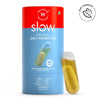 Daily Probiotic Slow
₹1,119 – ₹2,238
Daily Probiotic Slow
₹1,119 – ₹2,238
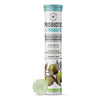 Probiotic + Prebiotic
₹559 – ₹3,355
Probiotic + Prebiotic
₹559 – ₹3,355
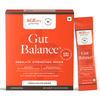 Gut Balance | Leaky Gut & Microbial Balance | For Seniors | 15 Sachets
₹749 – ₹2,996
Gut Balance | Leaky Gut & Microbial Balance | For Seniors | 15 Sachets
₹749 – ₹2,996
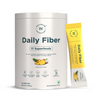 Daily Fiber | Pina Colada Flavour
₹719 – ₹1,438
Daily Fiber | Pina Colada Flavour
₹719 – ₹1,438
 Daily Fiber | Vanilla Berry Flavour
₹719 – ₹1,438
Daily Fiber | Vanilla Berry Flavour
₹719 – ₹1,438











Leave a comment