


Somewhere between the 9 AM coffee, the desk lunch, the 4 PM snack and the dinner you ordered because cooking felt impossible, digestion can start feeling a little... off.
A little bloating after lunch. That too-full feeling after dinner. Gas that appears at the worst possible time. Acidity after a particularly oily meal. Or the opposite problem, when your bowel routine seems to have forgotten its routine entirely.
Modern schedules do not always make digestion easy. Meals get eaten in front of laptops. Stress follows us to the dining table. Packaged convenience foods can slowly crowd out fruits, vegetables, lentils and whole grains. We sit for hours. We eat dinner late. We sometimes go from barely eating all day to having our biggest meal at night.
And digestion is not happening in isolation. The gut and brain constantly communicate with each other, which is one reason stress and digestive symptoms can overlap. Indigestion itself can show up as bloating, belching, nausea, discomfort or feeling unusually full after eating.
The answer, however, does not have to be a complicated gut reset.
Some of the best good eating habits for proper digestion are surprisingly ordinary. Here are six that can fit into a real workday.
1. Give your meal 10 undistracted minutes
You do not need candles, calming music and a 45-minute mindful eating ritual.
Just stop answering emails while chewing.
When lunch happens while you are typing, scrolling and mentally preparing for the next meeting, it becomes very easy to eat quickly and miss your body's fullness cues.
Try this instead: for the first 10 minutes of your meal, put the laptop away and keep the phone aside.
Take smaller bites. Chew properly. Pause occasionally.
If an hour-long lunch break is unrealistic, 10 focused minutes is not.
2. Add one fiber food to every meal
Instead of suddenly deciding you need to eat a perfect high-fiber diet, start smaller.
Ask one question:
Where is the fiber in this meal?
Breakfast could get fruit, oats or seeds.
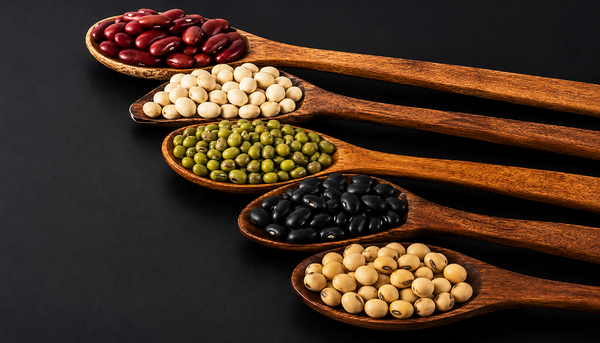
Lunch could get dal, beans, vegetables or a whole-grain roti.
Your evening snack could become fruit plus nuts instead of biscuits alone.
Dinner could simply get an extra serving of vegetables.
Adults generally need around 22 to 34 g of fiber daily, depending on age and sex, and fiber is best increased gradually.
The easier rule is: one fiber anchor, every meal.
That is far more realistic than trying to transform your entire diet on Monday morning.
3. Drink water through the day, not just when you remember at 6 PM
You know the office-day situation.
Two coffees. Maybe one bottle of water. Then suddenly you realise at 5:30 PM that you have barely hydrated.
Fiber and fluids work together. Drinking enough liquids helps fiber do its job and can support softer, easier-to-pass stools.
Keep a bottle where you can see it. Have water with your commute, between meetings and alongside snacks.
And if you are adding a fiber supplement, increase your water intake along with it instead of adding extra fiber to an already under-hydrated routine.

4. Take the 10-minute post-meal walk
This might be the easiest digestion-friendly habit for a 9-to-5 schedule.
Finished lunch? Walk around the office floor.
Finished dinner? Take one round of the building.
Working from home? Walk while returning a phone call.
Post-meal walking has also been shown to improve the body's glucose response after eating, with evidence suggesting that movement soon after a meal can be particularly useful.
You do not need gym clothes. You do not need 10,000 steps.
Start with 10 minutes.
That is one episode of scrolling you can probably afford to lose.
5. Stay upright after heavier meals
The sofa gets extremely attractive after dinner.
Your digestive system may disagree.
If you regularly experience reflux or acidity at night, going straight from dinner to bed may make things worse. For people with GERD symptoms, eating at least three hours before lying down can help reduce nighttime symptoms.
This does not mean every dinner needs to happen at 6 PM.
Try the realistic version: finish dinner a little earlier when possible, stay upright afterwards, clear the kitchen, walk for a few minutes or finish tomorrow's to-do list before getting into bed.
Small timing changes count.
6. Stop making every meal a digestive experiment
Extra spicy today. No vegetables tomorrow. Huge cheat meal Saturday. Juice cleanse Sunday.
Your gut likes a little predictability.
You do not need to eat exactly the same foods every day, but a reasonably consistent rhythm of meals, fiber, fluids and movement is much easier on your routine than constantly swinging between extremes.
And if one rich restaurant meal leaves you feeling heavy, you do not have to "detox" the next day.
Simply return to normal food. Think water, vegetables, fruit, dal, curd, whole grains and regular meals.
One oily meal is not a digestive emergency.
Bonus: When food alone is not quite getting you there
Supplements can be useful when they solve an actual gap.
Maybe your workday regularly leaves you short on fiber. A convenient prebiotic fiber supplement can be mixed into water, smoothies or other drinks. The important part is still to start gradually and keep fluids up.
If fermented foods rarely make it onto your plate, probiotics are another option. Probiotics are live microorganisms that can influence digestive function, although their effects depend on the specific strains being used.
For someone who does not want another capsule in their bag, pre+probiotic tablets can also be convenient. A Probiotic + Prebiotic effervescent tablets combine probiotic cultures with prebiotic fiber in a drink format.
The bigger idea is simple: gut supplements should support good habits, not replace them.
Start with food, fiber, water, movement and consistency. Use supplements where they genuinely make the routine easier.
FAQs
1. What are five good eating habits for proper digestion?
Eat slowly, include fiber-rich foods, drink enough water, avoid consistently oversized meals and keep your meal timings reasonably regular. These five good habits for proper digestion do not require a complicated diet.
2. What should I do immediately after eating for better digestion?
Stay upright and take a gentle 10-minute walk if possible.
3. Is walking after food good for digestion?
Gentle walking is an easy way to add movement after meals and research shows post-meal walking can improve post-meal glucose control.
4. Can I lie down immediately after eating?
If you are prone to reflux or nighttime acidity, it is better to avoid lying down soon after eating.
5. How much fiber should I eat every day?
Most adults need roughly 22 to 34 g per day, depending on age and sex.
6. Can I take a fiber supplement every day?
A fiber supplement can help fill dietary gaps, but introduce fiber gradually and drink enough fluids.
7. Are probiotic capsules good for digestion?
Certain probiotics may support digestive function, but benefits are strain-specific.
8. What is the difference between probiotics and prebiotics?
Probiotics are beneficial microorganisms. Prebiotics are substances, often certain fibers, that help nourish beneficial gut microbes.
9. What should I do after eating very oily food?
Avoid panic-fasting or detoxing. Stay upright, hydrate normally, take a gentle walk and return to your usual balanced meals afterwards.
10. Do I need gut supplements for good digestion?
Not necessarily. Diet, fiber, fluids, activity and regular eating habits come first. Gut supplements can be useful when your everyday diet consistently leaves a gap.
Key Takeaways
-
Slow the meal down: Even 10 distraction-free minutes can make eating feel more intentional.
-
Find the fiber: Add one fruit, vegetable, whole grain, pulse or seed source to each meal.
-
Water matters: Fiber works better when your overall fluid intake is adequate.
-
Walk after meals: A simple 10-minute walk is one of the easiest habits to fit into a workday.
-
Supplement the gap, not the lifestyle: Fiber supplements, pre+probiotic tablets and other gut supplements can add convenience, but the foundation is still your everyday routine.

Recommended Products
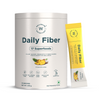 Daily Fiber | Pina Colada Flavour
₹872 – ₹1,708
 Daily Fiber | Two Flavour Combo
₹1,708
 Daily Fiber | Vanilla Berry Flavour
₹872 – ₹1,708
 Probiotic + Prebiotic
₹664 – ₹3,355
 Daily Probiotic Slow
₹1,357 – ₹2,658















Leave a comment