


You can eat three meals a day and still not eat enough fiber.
In fact, this is one of the easiest nutrition gaps to miss.
You may be eating protein, choosing “healthy” snacks, drinking smoothies and even adding a salad to lunch. But if your day is built mostly around refined grains, juices, packaged foods and a small rotation of fruits and vegetables, your fiber intake may still be lower than you think.
And fiber is not just about staying regular.
It helps give food staying power, supports a healthy gut, and can make your meals more satisfying. Different types of fiber also play different roles in the body, which is why getting fiber from a variety of plant foods is more useful than obsessing over one “high-fiber” ingredient.
The interesting part? You probably don't need a completely new diet.
You just need to make a few of your everyday foods more fiber-friendly. Think of it as fibermaxxing, minus the obsession. Small upgrades, more variety, and a little more intention can take your everyday meals a long way.
So, what are the best fiber rich foods to start with?
Before the list: why should you care about fiber?
Because your fiber intake can quietly shape how satisfying, comfortable and nutritionally balanced your day feels.
Fiber adds bulk to meals and can support regular bowel movements. Some types can also slow digestion and help you feel fuller after eating.
There is another reason fiber deserves more attention: your gut likes variety.
Fiber isn't one single substance. Different plant foods provide different types, and their effects can vary depending on the type of fiber, amount and even the individual.
Which means your goal shouldn't be:
“What is the one food with the most fiber?”
A better question is:
“How many different plants can I regularly get onto my plate?”
That small shift makes eating more fiber much easier.
The top 10 fiber foods to know
1. Chia seeds
Let's start with something tiny.
Chia seeds are an easy way to add fiber to foods you already eat. Stir them into yoghurt, overnight oats, smoothies or even homemade energy bites.
But here's the trick: don't make chia your entire fiber strategy.
Think of it as one small addition to a much bigger variety of plant foods.
Try this: Add a spoonful to breakfast and move on with your day.
2. Guava
Guava deserves considerably more attention in the fiber conversation.
It's naturally fiber-rich, refreshing and requires almost no preparation. It also makes a useful snack when you're bored of bananas and apples.
And here's the upgrade that actually matters:
Eat the fruit instead of drinking it.
When fruit is juiced, much of the fiber is lost. Whole fruit gives you the original food structure along with its fiber.
So your next glass of fruit juice could simply become a piece of fruit.
No detox required.
3. Lentils and dal
Dal doesn't need a wellness rebrand.
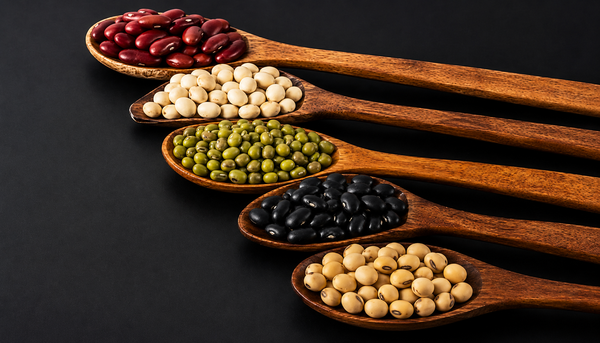
Masoor, moong, toor and other lentils are naturally useful sources of fiber, while also contributing plant protein.
The easiest way to use them isn't to find a new recipe every day. It's to make pulses a regular part of your week.
Try dal, lentil soup, khichdi, sprouts or a simple lentil salad.
And yes, this is where traditional Indian eating gets an advantage. A well-planned Indian diet can make it surprisingly easy to eat more food rich in dietary fiber.

4. Chickpeas and chana
Chana is one of those foods that can move effortlessly between meals.
Boiled chickpeas can become chaat. Kala chana can go into a salad. Roasted chana can become your desk snack.
It also brings plant protein along with fiber, making it more substantial than many conventional snack foods.
The practical hack: Keep cooked chana in the refrigerator so it becomes an easy addition rather than another “healthy habit” you have to remember.
5. Oats
Oats have a reputation for being boring.
That's mostly because we keep making them the same way.
Oats contain beta-glucan, a type of soluble fiber, and can be used in everything from overnight oats to savoury porridge and homemade granola.
You can also use them when you want to make breakfast more filling without making it enormous.
Try: oats + yoghurt + fruit + seeds.
Four ingredients. Zero wellness theatrics.
6. Peas
Frozen peas deserve more respect.
They are inexpensive, convenient and require almost no preparation. Toss them into poha, pulao, pasta, soups, fried rice or a vegetable omelette.
This is actually one of the smartest ways to increase fiber:
Add fiber to meals that already exist instead of creating “fiber meals.”
Your diet doesn't have to look different. It just needs more plants in it.
7. Apples and pears
The humble fruit basket is doing more work than it gets credit for.
Apples and pears provide fiber, particularly when eaten with their skin.
They also make an easy snack because they require almost no planning.
One useful mindset shift:
Don't wait until you're hungry to decide what your snack will be.
Keep whole fruit visible and accessible. Convenience influences what you eat more than most people realise.
8. Nuts and seeds
Almonds, peanuts, pistachios, pumpkin seeds, sunflower seeds and flaxseeds can all help increase your fiber intake.
They also make meals and snacks more interesting because you're adding crunch, rather than just adding another bowl of vegetables.
Try:
Fruit + nuts
Yoghurt + flaxseed
Oats + pumpkin seeds
Salad + roasted seeds
You don't need huge portions. A small serving can easily become part of your daily routine.
9. Sweet potato
Sweet potato is proof that a fiber-friendly diet doesn't mean giving up carbohydrates.
Roast it. Air-fry it. Add it to chaat. Pair it with a protein source. Mash it into a bowl.
And when appropriate, leave the skin on after washing it well. The skin of many plant foods contributes additional fiber.
The bigger lesson: You don't have to fear carbs. Choosing less-refined, fiber-containing carbohydrate sources more often can be a much more useful strategy.
10. Whole grains
This is one of the biggest opportunities for people who think they already eat reasonably well.
Whole wheat, barley, oats, brown rice and millets can help increase fiber compared with many refined grain choices.
But you don't have to suddenly eliminate everything refined.
Instead, look for one easy swap at a time.
White bread → whole-grain bread.
Refined breakfast cereal → oats.
Highly refined snack → roasted whole grain or chana-based option.
The goal isn't dietary perfection.
It's reducing how often fiber gets removed from your food.
The fiber mistake most people make
They try to fix their entire diet in one weekend.
Suddenly it's chia pudding for breakfast, a giant salad for lunch, beans for dinner and enough fiber to feed a small village.
Then comes the bloating.
If your current diet is low in fiber, increase it gradually. A sudden increase can cause gas and abdominal discomfort, while fluids help fiber work more comfortably through the digestive system.
So don't go from zero to “fiber influencer.”

Fiber and weight loss: what's the real connection?
Fiber isn't a fat burner.
But it can make a weight-management diet easier to live with.
Some fiber-rich foods add volume and staying power to meals, while certain types of fiber can increase feelings of fullness. Research suggests the effect on body weight is modest rather than magical.
That's actually the more useful way to think about high fiber foods for weight loss.
Not:
“Which fiber food will make me lose weight?”
But:
“Which foods help me build meals that keep me satisfied?”
That could mean oats instead of a sugary breakfast cereal, fruit instead of juice, chana instead of a highly processed snack, or lentils as part of a balanced meal.
Small decisions. Repeated often.
Your gut doesn't need one superfood
Here's the fiber insight worth remembering:
Fiber diversity may matter more than fiber obsession.
Instead of eating the same fiber supplement, seed or cereal every single day and calling your diet “high fiber”, rotate your sources.
Think fruits + vegetables + pulses + whole grains + nuts + seeds.
Different foods bring different types of fiber, and research suggests that the effects of fiber can vary depending on its type, dose and the individual.
In other words, your gut doesn't need the latest viral ingredient.
It needs a more interesting menu.
Do you need a fiber supplement?
Not necessarily.
For most people, food is the best place to start because fiber-rich whole foods bring other nutrients with them.
A fiber supplement or dietary fiber supplement can be useful when dietary intake is consistently low or when a healthcare professional recommends one for a particular need. But it shouldn't become an excuse to skip the plants.
And if you're considering a gut health supplement, remember that “gut health” is much bigger than simply adding more fiber. The type of fiber, your overall diet and your individual tolerance all matter.
The easiest fiber upgrade you can make today
Don't count every gram.
Instead, use this question:
“What can I add?”
Add fruit to breakfast.
Add seeds to yoghurt.
Add chana to your snack.
Add peas to your usual meal.
Add dal to your week.
Add whole grains where they make sense.
That's it.
You don't need to eat perfectly. You just need to make the fiber-rich choice a little more often.
Because the healthiest fiber habit isn't eating one giant bowl of something you hate.
It's building a diet where fiber shows up almost without you noticing.
Key takeaways
1. Fiber isn't just a digestion thing.
It can help with fullness, bowel regularity and overall diet quality.
2. Your kitchen already has plenty of fiber heroes.
Dal, chana, guava, oats, peas, whole grains, fruits, nuts and seeds can all contribute.
3. Don't chase one “superfood.”
A colourful mix of plant foods gives you a much wider range of fibers than relying on one ingredient.
4. Upgrade before you overhaul.
Add fruit. Sprinkle seeds. Keep roasted chana handy. Mix peas into meals. Small upgrades are easier to sustain.
5. Give your gut time to catch up.
If you're increasing fiber, do it gradually and drink enough fluids. More fiber overnight isn't a wellness achievement if you're uncomfortable the next day.
FAQs
1. What are the top 10 fiber-rich foods?
Some of the easiest options include chia seeds, guava, lentils and dal, chickpeas and chana, oats, peas, apples, pears, nuts and seeds, sweet potatoes and whole grains.
2. What is the best fiber-rich Indian food?
There isn't one “best” option. Dal, chana, rajma, vegetables, whole grains, fruits, nuts and seeds can all contribute to a fiber rich Indian food pattern.
3. Which fiber-rich foods are best for weight loss?
Oats, lentils, beans, chickpeas, fruits, vegetables and whole grains can help you build more filling meals. Fiber may support fullness, but it is not a standalone weight-loss solution.
4. Is guava high in fiber?
Yes. Guava is a practical fruit to include when you want to increase fiber through whole foods. Eating whole fruit rather than drinking fruit juice also helps you retain its natural fiber.
5. Is dal a good source of dietary fiber?
Yes. Lentils and other pulses are useful sources of dietary fiber and plant protein, making them particularly practical for vegetarian diets.
6. Can too much fiber cause bloating?
Yes. Increasing fiber very quickly can cause gas and abdominal discomfort. Increase your intake gradually and make sure you're drinking enough fluids.
7. Is fruit better than fruit juice for fiber?
Generally, yes, when fiber is the goal. Whole fruit retains the food's natural structure and fiber, while juicing can remove much of it.
8. Do I need a fiber supplement if I eat a healthy diet?
Not necessarily. Many people can increase their fiber intake through fruits, vegetables, pulses, whole grains, nuts and seeds. A dietary fiber supplement may be useful in specific circumstances, but it shouldn't replace a varied diet.
9. How much fiber should I eat every day?
A useful general benchmark is around 14 grams of fiber per 1,000 calories, although individual needs vary. For example, a 2,000-calorie diet would provide a benchmark of about 28 grams per day.
10. What is the easiest way to eat more fiber every day?
Don't reinvent your diet. Add one fiber-rich food to something you already eat. Put chia in breakfast, fruit beside your coffee, roasted chana in your snack drawer, peas into your usual meals or dal into your weekly rotation. The easiest fiber habit is the one you don't have to think about.

Recommended Products
 Daily Fiber | Pina Colada Flavour
₹719 – ₹1,438
Daily Fiber | Pina Colada Flavour
₹719 – ₹1,438
 Daily Fiber | Two Flavour Combo
₹1,438
Daily Fiber | Two Flavour Combo
₹1,438
 Daily Fiber | Vanilla Berry Flavour
₹719 – ₹1,438
Daily Fiber | Vanilla Berry Flavour
₹719 – ₹1,438
 Healthy Gut
₹649 – ₹1,298
Healthy Gut
₹649 – ₹1,298
 Daily Probiotic Slow
₹1,119 – ₹2,238
Daily Probiotic Slow
₹1,119 – ₹2,238














Leave a comment