


You wake up feeling fine.
Then lunch happens.
A few hours later, your jeans feel tighter, your stomach feels stretched, and you are wondering how one perfectly normal meal managed to make you feel like you need a new wardrobe.
Welcome to bloating.
But here is something worth knowing: bloating does not always mean you have too much gas. It can involve gas, abdominal distension, changes in gut movement, or simply being more sensitive to normal amounts of gas in your digestive tract. [NIH]
And that is why there is no single answer to how to reduce bloating.
Sometimes it is what you ate. Sometimes it is how quickly you ate it. Sometimes it is constipation, food intolerance, reflux or a digestive condition such as IBS.
The good news? Your everyday habits can make a difference.
First, what actually causes bloating?
Here is the simplified version.
You eat → some carbohydrates are not completely digested → they reach the large intestine → gut bacteria break them down → gas is produced → you may feel bloated.
Gas can also come from swallowed air. Eating too quickly, chewing gum, drinking fizzy drinks and using straws can all increase the amount of air you swallow. [NIH]
Then there is another pathway.
Large meal → stomach feels uncomfortably full → reflux or indigestion may occur → you may experience belching, burning or abdominal discomfort.
These are not exactly the same thing, but they can overlap.
And if you are someone who gets nighttime reflux, lying down soon after eating can make symptoms worse. Research shows eating at least three hours before lying down or going to bed if you experience GERD symptoms at night. [NIH]
So if you are searching for how to reduce stomach bloating, start with the basics.
6 Daily Habits to Reduce Bloating
1. Slow down your meals
Your lunch break is not a competitive sport.
Eating quickly can make you swallow more air, which can contribute to gas symptoms. Research recommends eating slowly and sitting down to eat instead of eating on the run. [NIH]
So try this:
Put your phone down. Take smaller bites. Chew properly. Give yourself time to actually eat your meal.
It sounds almost too simple.
That is exactly why it gets ignored.
2. Increase fibre, but do it gradually
Fibre is essential for digestive health. But suddenly going from very little fibre to a very high-fibre diet can leave you feeling more bloated.
Your gut needs time to adapt.
Start with manageable additions such as oats, kiwi, chia seeds, ground flaxseed, carrots and cooked vegetables.
If you are increasing your fibre intake substantially, do it gradually and drink enough fluids alongside it. Research specifically notes that increasing fibre slowly can help reduce gas and bloating in people with IBS. [NIH]
And remember, more fibre is not automatically better.
The right amount is the amount your body can comfortably tolerate.
3. Find your personal bloat triggers
There is no universal “bloating food”.
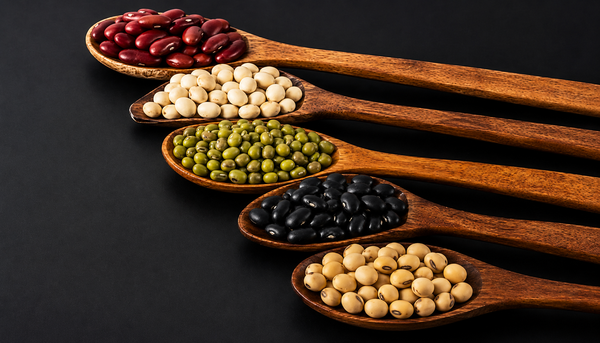
For some people, beans, lentils, onions, garlic, apples, pears, dairy products, cruciferous vegetables or sugar alcohols can cause more gas because certain carbohydrates are not completely digested before reaching the large intestine. [NIH]
That does not mean you need to eliminate them.
It means you need to pay attention.
If a particular food repeatedly leaves you uncomfortable, keep a simple food and symptom diary. Research recommends tracking food and symptoms to help identify patterns that may be contributing to gas symptoms. [NIH]
Your gut is personal.
Your food triggers can be too.
4. Make fizzy drinks less frequent
Sometimes the problem is not what you are eating.
It is what you are swallowing along with it.
Carbonated drinks can increase gas in the digestive tract, while drinking through a straw, chewing gum and eating quickly can increase swallowed air. [NIH]
So if you want to reduce bloating fast, start with the obvious.
Swap the fizzy drink for still water.
And drink it slowly.
Your stomach does not need a side of bubbles with lunch.
5. Give digestion some space after dinner
This one is particularly relevant if what you call “bloating” actually comes with heartburn, burning, sour taste or frequent belching.
Lying down soon after eating can worsen nighttime GERD symptoms. If you experience these symptoms, leaving at least three hours between eating and going to bed may help. [NIH]
So instead of finishing dinner and immediately getting horizontal, stay upright.
Take a gentle walk.
Finish your evening routine.
Then go to bed.
Small change. Very different digestive environment.
6. Give your gut the right support
This is where gut supplements can have a supporting role, but they should not be your first line of defence.
If your diet is consistently low in fibre, a fiber supplement can help increase your intake. If you are considering probiotic capsules or prebiotic supplements, look for products designed around a specific purpose rather than assuming every probiotic or prebiotic works in exactly the same way.
That distinction matters.
Probiotics are specific live microorganisms, and their effects depend on the particular genus, species and strain. A higher CFU number alone does not automatically mean greater benefits.
Some probiotic products may help with particular digestive symptoms, but the evidence varies according to the strain and condition being treated. [NIH]
So think of supplements as supporting players, not the entire team.
Your food, eating habits, hydration, movement and sleep still matter.

Can you reduce bloating immediately?
Sometimes.
If your bloating is being triggered by swallowing excess air or drinking a carbonated beverage, removing that trigger may make you feel better relatively quickly.
But how to reduce bloating instantly is not really the right question if bloating happens regularly.
There is no universal instant fix because the cause matters.
If constipation is contributing, the approach is different. If lactose intolerance is involved, the approach is different. If IBS is involved, the approach is different. If reflux is the main issue, treating “gas” will not address the underlying problem. [NIH]
So instead of chasing an instant fix, learn your pattern.
That is where the useful information is.
And what about face bloating?
If you are searching for how to reduce face bloating, remember that facial puffiness is not necessarily a digestive issue.
Fluid retention, sodium intake, sleep, hormones and several other factors can contribute to facial puffiness.
So a bloated stomach and a puffy face should not automatically be treated as the same problem.
Key Takeaways
1. Slow down.
Eating quickly can increase swallowed air and contribute to gas symptoms.
2. Increase fibre gradually.
Fibre is important, but increasing it too quickly can increase gas and bloating, particularly in people with IBS.
3. Find your triggers.
Not everyone reacts to the same foods. A food and symptom diary can help identify individual patterns.
4. Give digestion some space.
If you experience nighttime GERD symptoms, leaving at least three hours between eating and lying down may help.
5. Think beyond the quick fix.
If bloating is persistent, changes suddenly or occurs alongside abdominal pain, constipation, diarrhoea or unexplained weight loss, speak with a healthcare professional.
FAQs
1. How can I reduce bloating?
Start by eating slowly, limiting fizzy drinks, identifying personal food triggers, increasing fibre gradually and staying active.
2. How can I reduce stomach bloating?
Look at the whole routine. Eating habits, fibre intake, meal size, constipation, food intolerances and digestive conditions can all contribute to bloating. (NIH, NIDDK)
3. How can I reduce bloating immediately?
If your bloating is related to swallowed air or carbonation, removing those triggers may help. However, there is no universal instant remedy because bloating can have several different causes.
4. What foods can help reduce bloating?
There is no single food that works for everyone. Foods such as kiwi, oats, chia and cooked vegetables can fit into a balanced, fibre-rich diet, but individual tolerance matters.
5. Can drinking water reduce bloating?
Adequate hydration is important for normal digestive function, particularly when increasing fibre intake. However, water is not an instant cure for every type of bloating.
6. Can probiotics help with bloating?
Some probiotic strains may help with particular digestive symptoms, but benefits vary by strain and condition.
7. Can fibre supplements cause bloating?
Yes. Increasing fibre too quickly can cause gas and bloating. Gradually increasing your intake can help your body adapt.
8. Why do I feel bloated after eating?
Bloating after eating can have several causes, including swallowed air, fermentation of incompletely digested carbohydrates, constipation, food intolerances, IBS and other digestive conditions.
9. Does lying down after eating cause bloating?
Lying down after eating is particularly relevant to reflux symptoms. If you experience nighttime GERD, leaving at least three hours between eating and lying down may help.
10. When should I see a doctor about bloating?
Speak with a healthcare professional if bloating is persistent, changes suddenly, interferes with daily life or occurs alongside significant abdominal pain, constipation, diarrhoea or unexplained weight loss.

Recommended Products
 Probiotic + Prebiotic
₹664 – ₹3,355
Probiotic + Prebiotic
₹664 – ₹3,355
 Daily Probiotic Slow
₹1,357 – ₹2,658
Daily Probiotic Slow
₹1,357 – ₹2,658
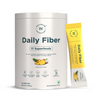 Daily Fiber | Pina Colada Flavour
₹872 – ₹1,708
Daily Fiber | Pina Colada Flavour
₹872 – ₹1,708
 Daily Fiber | Vanilla Berry Flavour
₹872 – ₹1,708
Daily Fiber | Vanilla Berry Flavour
₹872 – ₹1,708
















Leave a comment