


If your gut could send you a WhatsApp message, it probably would not say, “I need a detox.”
It would say, “Can we please have some fiber, water, regular meals and sleep?”
Your gut does a lot more than digest your lunch. It is home to trillions of microorganisms that interact with your digestive system, immune system and metabolism. Your gut and brain also communicate continuously through what is known as the gut-brain axis, which is one reason digestive health and stress can feel so closely connected.
There is a reason, then, that when your digestion is off, you may feel off too.
Bloating. Irregular bowel movements. Feeling excessively full after meals. That uncomfortable heaviness you cannot quite explain.
Now add modern life to the equation.
More packaged food. Less fiber. More sitting. Irregular meals. Poor sleep. Chronic stress. Frequent alcohol. And sometimes, a diet that is built around convenience rather than variety.
Your gut notices.
So, what exactly is a gut reset?
Let us clear this up first.
A gut cleanse does not mean flushing “toxins” out of your digestive system with juices, laxative teas or extreme fasting. Your body already has organs and systems that process and eliminate waste.
A more useful gut reset is much less dramatic.
For seven days, you give your gut more of the things it needs, particularly fiber-rich plant foods, fluids, food variety and regular movement, while reducing habits that may be contributing to digestive discomfort.
Think of it as giving your routine a reset, not your intestine a pressure wash.
Your 7-Day Gut Reset
Day 1: Start with your plate
Before you remove anything, add something.
For the next seven days, aim to include at least one fruit, one or two different vegetables and a fiber-rich food source every day.
Good places to start?
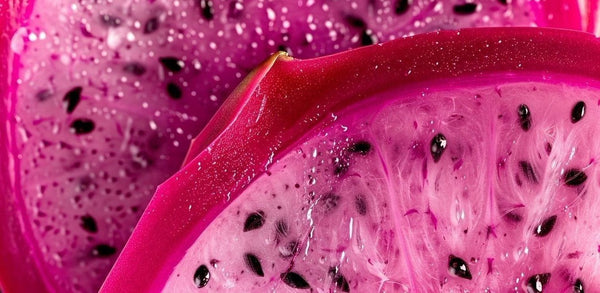
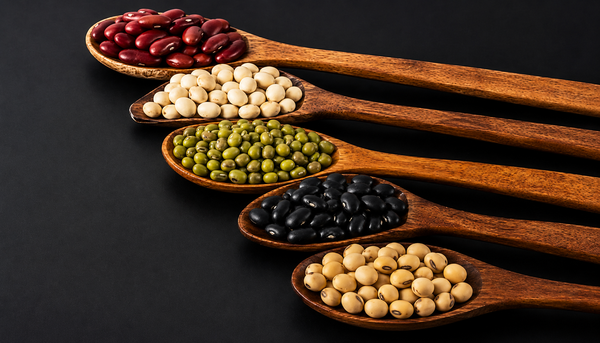
Guava, kiwi, papaya, apples, pears, carrots, spinach, okra, broccoli, oats, lentils, chickpeas, beans, chia seeds and flaxseeds.
You do not need all of them every day. The point is variety.
Different plant foods provide different types of fiber and other compounds that interact with the gut microbiome. Dietary fiber is fermented by gut microorganisms, producing metabolites including short-chain fatty acids.
So rather than obsessing over one “superfood”, give your gut a wider menu.
Day 2: Make fiber the main character
If your current diet is low in fiber, do not suddenly turn every meal into a giant bowl of salad.
Your gut may not appreciate the enthusiasm.
Increase fiber gradually.
Try oats at breakfast, dal or chickpeas with lunch, vegetables such as carrots, spinach or okra with your main meal, and chia or ground flaxseeds as an addition to yogurt or another meal.
Fiber can support bowel regularity, and certain fibers are used by gut microorganisms as substrates. Research also highlights that the effects of fiber can vary depending on the type of fiber, amount consumed and individual response. [ScienceDirect]
If you are prone to bloating, go slowly. A sudden increase in fiber can cause more gas and discomfort, particularly in people with sensitive digestion.
Day 3: Give your gut something to work with
Today, look at the foods you are giving your gut microbes.
Your microbiome is not just sitting there waiting for a probiotic capsule. It responds to your overall dietary environment.
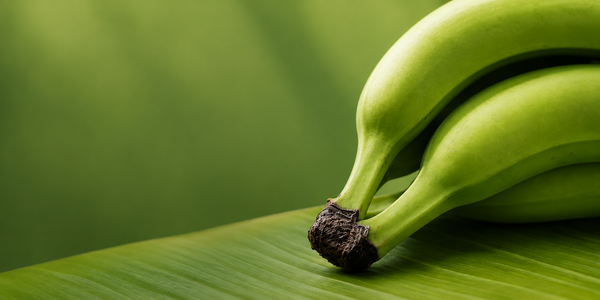
This is where foods such as onions, garlic, oats, legumes, bananas and other fiber-rich plant foods can be useful. Many contain fermentable carbohydrates that gut microorganisms can utilise.
You can also consider a prebiotic supplement if your usual diet does not provide enough fiber or prebiotic substrates.
But food comes first.
A bowl of oats with fruit and seeds is doing considerably more for dietary diversity than simply adding a trendy powder to an otherwise low-fiber diet.
Day 4: Add fermented foods
Now let us bring in some friendly microbes.
Try plain yogurt with live cultures, kefir or a traditional fermented food you already enjoy.
One important detail, though: fermented does not automatically mean probiotic.
A probiotic is a specific live microorganism that has demonstrated a health benefit when consumed in adequate amounts. Not every fermented food contains microorganisms that meet this definition.
If you are considering probiotic capsules, look at the actual strains rather than choosing a product simply because the CFU number sounds impressive.
Higher CFU counts do not automatically mean greater benefits. Probiotic effects can vary according to the specific microorganism and strain.
That is a much more useful way to think about probiotics than “more bacteria equals better gut”.

Day 5: Give your digestion a break from chaos
This is less about what you eat and more about how you eat.
Try having meals at reasonably consistent times.
Sit down to eat.
Slow down.
Chew properly.
And notice what happens when you stop eating while answering emails, scrolling through your phone and rushing through lunch in seven minutes.
Your gut does not need your meals to look Instagram-worthy.
It needs you to pay attention.
This is also a good day to notice your personal triggers. Some people experience more bloating or digestive discomfort after very large meals, excessive alcohol, certain sweeteners, very fatty foods or particular fermentable carbohydrates.
That does not make these foods universally “bad”. Digestive tolerance is individual.
Day 6: Take your gut for a walk
You have changed your food.
Now change your routine.
Go for a 20 to 30 minute walk, preferably after a meal or at another consistent time during the day.
Then look at the other big three:
Movement. Sleep. Stress.
Your gastrointestinal tract communicates with your nervous system, and stress can influence gut motility and sensitivity. Research continues to investigate the relationship between psychological stress, the gut microbiome and gastrointestinal symptoms. [NIH]
So no, your gut reset should not involve spending seven days worrying about whether you are doing your gut reset correctly.
That rather defeats the purpose.
Get outside. Move your body. Sleep at a consistent time.
Day 7: Build your actual gut routine
This is the part that matters most.
Do not finish day seven and immediately go back to your old routine.
Instead, keep the changes that were realistic for you.
Maybe that means:
Apple, kiwi or banana instead of skipping fruit.
Oats instead of a low-fiber breakfast.
Dal, chickpeas or beans more regularly.
Spinach, carrots, broccoli or okra with your main meals.
Chia or flaxseeds added to meals.
Plain yogurt with live cultures when tolerated.
A daily walk.
More consistent sleep.
And if meeting your fiber or probiotic needs through food is difficult, supplements can have a place.
A fiber supplement can help increase fiber intake. A daily probiotic or probiotic capsules may be useful for specific goals when the strain has evidence for that use. A prebiotic supplement can provide substrates that certain gut microorganisms utilise. These are tools, not substitutes for a varied diet.
What to Eat vs What to Limit During a Gut Reset

One caveat: some foods on the “gut supporters” list, including onions, garlic, apples, pears, chickpeas and certain vegetables, are also high in fermentable carbohydrates and can worsen symptoms in some people with IBS. If you have persistent bloating or abdominal pain, simply adding more of these foods is not necessarily the answer. Dietary changes such as a low-FODMAP approach may be appropriate for some people, ideally with professional guidance.
The bigger picture
There is no single food that will “fix” your gut.
And there is no seven-day programme that can permanently transform your microbiome.
What seven days can do is make you more aware of the basics.
Are you eating enough fiber?
Are you eating enough variety?
Are you drinking enough fluids?
Are you moving?
Are you sleeping?
Are you constantly eating ultra-processed foods because they are convenient?
Are you relying on supplements to compensate for a diet that needs more whole foods?
Those questions are far more useful than asking, “How do I clean my gut?”
Your gut does not need punishment.
It needs consistency.
And if you are wondering how to improve gut health naturally, this is where to begin: more variety, more fiber, better routines, adequate hydration, regular movement and a little less chaos around food.
Not a cleanse.
A reset.
Key Takeaways
1. Build variety.
Rotate foods such as guava, kiwi, papaya, oats, lentils, chickpeas, carrots, spinach, okra, chia and flaxseeds rather than relying on one “gut health” food.
2. Increase fiber gradually.
Fiber supports bowel regularity and provides substrates that gut microorganisms can use. Your gut may need time to adapt.
3. Think beyond food.
Sleep, movement, stress and regular eating patterns are part of gut health too.
4. Understand probiotics.
A probiotic is not simply “good bacteria”. Benefits are linked to specific microorganisms and strains, and a higher CFU count does not automatically mean better results.
5. Make the seven days the beginning, not the end.
The best way to improve your gut health is to turn supportive habits into your normal routine.
FAQs
1. What is a gut reset?
A gut reset is a short period where you focus on habits that support digestion and the gut microbiome, including eating more fiber-rich foods, increasing food variety, staying hydrated, moving regularly and improving sleep.
2. How can I improve my gut health naturally?
Start with the basics: eat a variety of plant foods, include fiber-rich foods regularly, drink enough water, exercise, sleep well and limit excessive alcohol and highly processed foods.
3. What are the best fruits for gut health?
Guava, kiwi, papaya, apples and pears can be useful choices because they contribute fiber and other nutrients. Choose a variety rather than relying on one fruit.
4. What vegetables are good for gut health?
Carrots, spinach, okra, broccoli, onions and garlic are fiber-containing choices that can fit into a gut-supportive diet. Individual tolerance still matters.
5. How much fiber should I eat?
Fiber needs vary by age, sex and individual requirements. If you currently eat very little fiber, increase it gradually rather than making a sudden jump, particularly if you experience bloating.
6. Are probiotics good for gut health?
Certain probiotics can provide specific health benefits, but effects depend on the microorganism and strain. Probiotics are not interchangeable, so the evidence for one strain cannot automatically be applied to another.
7. Should I take probiotic capsules every day?
That depends on the specific product, strain and reason for taking it. If you are using a probiotic for a particular digestive concern, choose one with evidence relevant to that goal rather than simply choosing the highest CFU count.
8. Are prebiotics and probiotics the same?
No. Prebiotics are substrates that microorganisms can utilise, while probiotics are live microorganisms that provide a demonstrated health benefit when consumed in adequate amounts.
9. How can I clean my gut naturally?
You do not need to cleanse your gut. Instead, support its normal function with fiber-rich foods, adequate fluids, regular movement and a varied diet.
10. Can I improve my gut health in seven days?
You can make meaningful changes to your habits in seven days, and some digestive symptoms may change quickly. But long-term gut health is not a seven-day project. The habits you continue afterwards matter much more.

Recommended Products
 Daily Probiotic Slow
₹1,357 – ₹2,658
Daily Probiotic Slow
₹1,357 – ₹2,658
 Healthy Gut
₹649 – ₹1,298
Healthy Gut
₹649 – ₹1,298
 Probiotic + Prebiotic
₹664 – ₹3,355
Probiotic + Prebiotic
₹664 – ₹3,355













Leave a comment