


You start your morning with coffee, rush through breakfast, eat lunch between meetings, and finally get home feeling bloated. Some days, it is acidity. Other days, it is constipation, gas or that uncomfortable feeling of being full long after a meal.
Sound familiar?
Modern routines do not always leave much room for mindful eating. Long working hours, irregular meal timings, stress, limited movement and convenience foods can all influence digestive comfort. As we get older, changes in digestion, medications and activity levels can alo affect bowel habits.
Your gut is more than a food-processing system. It contains a complex community of microorganisms, known as the gut microbiome, that interact with your digestive system. The good news? Learning how to improve gut health does not mean giving up your favourite foods or following an elaborate healthy gut diet plan.
Often, small, consistent habits are a more realistic place to start.
Common gut issues and what may trigger them
Before looking at how to keep your gut healthy, it helps to recognise common digestive complaints.
-
Bloating and gas: Can occur when gut bacteria break down certain carbohydrates or when you swallow excess air while eating quickly.
-
Acidity and heartburn: May be triggered by large meals, particular foods or lying down soon after eating. Triggers vary from person to person.
-
Constipation: Hard stools, straining or infrequent bowel movements may be associated with low fiber intake, inadequate fluid intake, inactivity or certain medications.
-
Diarrhoea or an upset stomach: Can have several causes, including infections, food intolerances and medication effects.
-
Irritable bowel syndrome (IBS): Can involve recurring abdominal pain, bloating, constipation, diarrhoea or a combination of bowel changes. Stress and food triggers may contribute, but IBS is a medical condition, not simply a sign of poor eating habits.

10 habits that can improve your gut health
1. Add one fiber-rich food to your usual meals
You do not need to overhaul your diet to eat more fiber. Add oats to breakfast, include a serving of dal at lunch, or have a fruit as an afternoon snack.
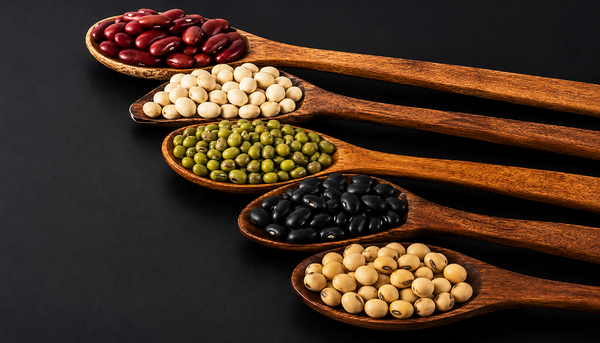
Beans, lentils, whole grains, fruits, vegetables, nuts and seeds provide fiber that supports bowel regularity. Increase your intake gradually because a sudden jump can worsen gas and bloating. Drinking enough fluids also helps fiber do its job.
2. Eat a little more slowly
Eating lunch while answering emails may save time, but rushing through meals can make you swallow more air, contributing to belching and gas.
Try putting your spoon down between a few mouthfuls, chewing thoroughly and giving yourself even 10 minutes without a screen. You do not need to turn every meal into a ritual. Just slow down enough to notice when you are comfortably full.
3. Keep a water bottle within reach
If you spend most of your day at a desk, it is easy to forget to drink water until you feel thirsty. Regular fluid intake supports hydration, and adequate fluids are especially important when you increase fiber to help prevent constipation.
Keep water nearby and sip throughout the day. Your individual needs vary with activity, climate and health, so there is no single amount that everyone must drink.
4. Include fermented foods if you tolerate them
Curd, yoghurt and some other fermented foods can be easy additions to everyday meals. Certain fermented foods contain live microorganisms, although not all fermented foods contain proven probiotic strains.
Try plain curd with lunch or yoghurt with breakfast if you enjoy them. If dairy worsens your symptoms, consider a suitable alternative rather than forcing yourself to eat it.
Remember, fermented foods can be part of a healthy gut diet, but no single food can guarantee a balanced gut microbiome.
5. Give your meals a more predictable rhythm
Skipping lunch, snacking continuously through the evening and eating a very large dinner can make it harder to recognise your hunger and fullness cues.
You do not need to eat at exactly the same time every day. Instead, try to establish a routine that works with your schedule and avoid going so long without food that you end up eating uncomfortably large portions.
If you experience acidity or reflux, notice whether late, large meals worsen your symptoms. Avoid lying down soon after eating, especially if that is a known trigger for you.
6. Take a short walk after meals
You do not need a gym membership to become more active. A gentle 10-minute walk after lunch or dinner is a manageable way to break up long periods of sitting.
Regular physical activity may help support bowel regularity, particularly for people prone to constipation.
Start with a pace that feels comfortable. If you cannot go outside during work hours, walk around your office or home.
7. Make stress management part of your gut routine
Ever noticed your stomach acting up before a presentation, an important deadline or a difficult conversation?
Your brain and digestive system communicate through what is often called the gut-brain connection. Stress can influence digestive symptoms in some people, particularly those with conditions such as IBS.

These habits are not a cure for digestive disorders, but they can be useful ways to manage everyday stress.
8. Protect your sleep routine
Late-night work, irregular sleep schedules and early alarms can leave you feeling drained and make healthy routines harder to maintain.
Aim for a consistent sleep and wake time where possible. If reflux is an issue, pay attention to the timing and size of your evening meal as well. Sleep habits will not fix every digestive problem, but they are an important part of an overall healthy routine.
9. Notice your triggers instead of cutting out everything
When bloating strikes, it is tempting to eliminate dairy, gluten, beans, onions and half your usual diet at once. But broad food restrictions can make it harder to get enough nutrients and may not identify the real cause.
Instead, keep a simple food and symptom diary for a week or two. Note what you ate, meal timings, symptoms, stress and bowel changes. Look for recurring patterns rather than assuming one uncomfortable meal proves a food intolerance.
If symptoms persist, a healthcare professional or registered dietitian can help identify suitable next steps. People with IBS may benefit from tailored dietary changes, but restrictive approaches such as a low-FODMAP diet are best undertaken with appropriate guidance.
10. Consider gut supplements when there is a clear reason
A balanced diet is the foundation of gut health, but supplements may help address specific needs.
-
Probiotic capsules: Provide live microorganisms that may support certain digestive concerns. Benefits depend on the strains and the condition they are intended for. More strains do not automatically mean better results.
-
Prebiotic and probiotic supplements: Combine beneficial microorganisms with fibers that can nourish gut bacteria. If you are prone to bloating, introduce them cautiously, as some prebiotics can increase gas.
-
Digestive enzyme supplements: May help with specific digestive conditions, but general enzyme blends are not necessary for everyone.
-
Effervescent gut supplements: Offer a convenient format, but check the ingredients, dosage and evidence behind the product's claims.
Choose a supplement based on your needs rather than the number of strains or ingredients. If digestive symptoms persist, consult a healthcare professional instead of relying on supplements alone.
Key takeaways
-
You can improve gut health without changing your entire diet. Start with small, consistent habits.
-
Fiber-rich foods, adequate fluids and regular movement can support bowel regularity.
-
Eating slowly, managing stress and keeping a predictable routine may help reduce some digestive discomfort.
-
Probiotic capsules and prebiotic supplements are not one-size-fits-all. Strain, dose and purpose matter.
-
Persistent digestive symptoms deserve medical assessment rather than endless food restrictions or self-treatment.
FAQs
1. How can I keep my gut healthy naturally?
Eat a variety of fiber-rich foods, drink enough fluids, move regularly, sleep consistently and notice any recurring food triggers.
2. What are the best foods for a healthy gut?
Pulses, oats, whole grains, vegetables, fruits, nuts and seeds provide fiber. Curd and some fermented foods can also fit into a balanced diet if tolerated.
3. How can I increase healthy gut bacteria?
Include a variety of plant foods and fiber sources regularly. Some fermented foods contain live microorganisms, and selected probiotic products may help with specific concerns.
4. What is a healthy gut diet plan?
A practical plan includes varied fruits and vegetables, pulses, whole grains, adequate protein and fluids. Adjust portions and food choices to your needs and tolerance.
5. Can stress cause bloating and acidity?
Stress can influence digestive symptoms, especially in people with gut-brain interaction disorders. Recurrent symptoms may still need medical assessment.
6. How can I improve gut health while working a nine-to-five job?
Keep water nearby, take short movement breaks, eat lunch without rushing and carry simple snacks such as fruit or nuts.
7. Are probiotic capsules good for gut health?
Some formulations may help with specific conditions, but benefits vary by strain and purpose. Not every probiotic is proven to improve every digestive symptom.
8. What is the difference between prebiotics and probiotics?
Probiotics are live microorganisms that may provide health benefits. Prebiotics are substances, often certain fibers, that microorganisms can use.
9. How long does it take to improve gut health?
It varies according to the habit, symptoms and underlying cause. Some changes in bowel regularity may occur over days, while persistent conditions may require longer-term management.
10. When should I see a doctor for gut problems?
Seek medical advice if symptoms are frequent, persistent or worsening. Blood in the stool, severe pain, unexplained weight loss or ongoing vomiting warrant prompt assessment.

Recommended Products
 Probiotic + Prebiotic
₹559 – ₹3,355
 Daily Probiotic Slow
₹1,119 – ₹2,238
 Healthy Gut
₹649 – ₹1,298
















Leave a comment