


Let's be honest. Most of us grew up eating curd rice for dinner, having lassi with lunch, or sneaking a spoonful of pickle straight from the jar. Fermented foods have always been a quiet constant in Indian kitchens. But now that gut health has become a proper topic at the dinner table, everyone seems to have a question: when is the best time to eat fermented foods?
And honestly? It is a fair question. You can eat all the dahi, idli, kanji, and achaar in the world, but if the timing is off, you might not be getting the full benefits of fermented foods probiotics.
Let us break it down in a way that actually makes sense for how we eat and live in India.

First, Why Does Timing Even Matter?
Here is the thing about probiotics: they are live bacteria. And just like us, they do not like harsh conditions. The biggest enemy of a probiotic is stomach acid. When you eat, your stomach produces acid to digest food. If that acid environment is too intense, the good bacteria from your fermented foods can get killed off before they even reach your gut.
So the goal is simple: eat your fermented foods at a time when stomach acid levels are low enough that those bacteria survive the trip to your intestines, where they actually do their job.
A 2011 clinical review published in Beneficial Microbes found that probiotic survival was significantly higher when consumed with a meal or just before eating, compared to consuming them 30 minutes after a meal. The buffering effect of food literally protects the bacteria. [NIH]
So, What is the Best Time to Eat Fermented Foods?
Morning: The Best Window (But with a Caveat)
Having fermented foods in the morning, ideally with or just after breakfast, is generally considered the best time. Here is why:
After a full night of sleep (hopefully), your stomach acid levels are at a moderate level. When you pair your fermented food with breakfast, the food acts as a buffer. This means the probiotics in your dahi, kefir, or homemade kanji have a better chance of surviving.
Practically: a bowl of curd with your paratha in the morning? That is a genuinely good habit backed by logic, not just tradition.

But here is the caveat. If you are someone who wakes up and immediately has black coffee on an empty stomach, wait. Black coffee increases stomach acid secretion. Having fermented foods right after that is counterproductive. Eat something first, then add your curd or fermented drink.
With Meals: Always a Safe Bet
If mornings are chaotic (and let us be real, most Indian mornings are), with meals is your second-best option. Whether it is lunch or dinner, having your fermented food alongside your regular meal gives probiotics a protective coating of food to travel with.
This is why curd rice at the end of a South Indian meal is not just comforting, it is actually smart. The rice and dal act as a buffer.
Before Bed? Not Ideal
Having fermented foods late at night, especially on an empty stomach, is the least recommended window. Stomach acid production can be unpredictable at night, and your digestion slows down. The bacteria may not survive as well, and some people find fermented foods cause bloating if eaten too close to bedtime.
What About Specific Indian Fermented Foods?
Let us make this real.
Dahi (Curd): Best in the morning or with lunch. Avoid at night, especially in winter, per both modern science and traditional Ayurvedic logic.
Idli and Dosa: These are fermented but baked on a griddle, which means a lot of the live bacteria are killed during cooking. However, the fermentation still makes them easier to digest and increases nutrient absorption. Any time of day works.
Kanji (the purple carrot drink from Holi season): Best as a mid-morning drink or with lunch. Drink it on a relatively light stomach for maximum benefit.
Achaar (pickles): A small amount with meals is perfect. The quantity is naturally limited, but the benefit is there.
Chaas (buttermilk): One of the best post-lunch options in India. Light, probiotic-rich, and easy on digestion. A glass after lunch in summer is genuinely one of the smartest things you can do.
Kombucha: Best in the morning or early afternoon. It contains a small amount of caffeine and sugar, so avoid it late at night.
A Word on Antibiotics and Fermented Foods
If you have been put on antibiotics, your doctor may not mention it, but your gut bacteria take a serious hit. This is when the benefits of fermented foods become especially relevant.
A 2012 review in the Journal of Clinical Gastroenterology found that probiotic supplementation during and after antibiotic treatment significantly reduced antibiotic-associated diarrhea. [NIH]
Practical tip: when on antibiotics, wait at least 2 hours after your antibiotic dose before eating fermented foods or taking probiotic capsules. This gap allows the antibiotic to absorb first without wiping out the probiotics immediately.
What About Prebiotic and Probiotic Supplements?
If you are using prebiotic and probiotic tablets or probiotic capsules, the same general timing rules apply. Take them with food or just before a meal for better survival. Most packaging will say "with meals" for a reason.

Quick note: the best time to take supplements in this category is typically breakfast or lunch. Avoid taking probiotic capsules on a completely empty stomach or right before bed. That is really all you need to know.
Temperature Matters Too
One thing people in India often miss: do not pair your fermented foods with boiling hot food or drinks. Extremely high temperatures kill live bacteria. Mixing hot dal directly into curd? That destroys the probiotics.
Let your food cool to at least a warm or room temperature before combining it with fermented items.
Key Takeaways
Morning or with meals is the best time to eat fermented foods because stomach acid is buffered by food, giving probiotics a better chance of survival.
Avoid fermented foods on a completely empty stomach, especially first thing in the morning after coffee, or late at night.
Cooking kills live bacteria, so fermented foods that are eaten raw (curd, chaas, kanji, kombucha) deliver more active probiotics than cooked ones (idli, dosa).
If you are on antibiotics, wait 2 hours after your dose before consuming fermented foods or probiotic capsules.
Temperature matters: never mix fermented foods with very hot food or drinks, as heat destroys the live cultures.
FAQs
1. What is the best time to eat fermented foods for gut health?
Morning with breakfast or alongside lunch is the optimal window. Food acts as a buffer against stomach acid, helping probiotics survive long enough to reach your intestines.
2. Can I eat curd at night?
It is not recommended, especially in winter. Digestion slows at night, and some people experience bloating or mucus buildup with curd late at night. Stick to lunch or morning for dahi.
3. When to eat fermented foods if I am on antibiotics?
Wait at least 2 hours after taking your antibiotic before eating fermented foods or probiotic capsules. This prevents the antibiotic from wiping out the probiotics immediately.
4. Is it okay to have fermented foods every day?
Yes, absolutely. Daily consumption of fermented foods like curd, chaas, or fermented vegetables is safe and beneficial for most healthy adults.
5. What is the best time to take probiotics or probiotic capsules?
With breakfast or lunch is the general recommendation. Avoid taking them on an empty stomach or right before bed.
6. Does idli count as a probiotic food?
The fermentation process makes idli more digestible and nutritious, but since it is cooked at high heat, most live bacteria are killed. It is a prebiotic-rich food more than a probiotic one.
7. Can I have kanji or kombucha on an empty stomach?
It is better to have something light first. These acidic drinks on a completely empty stomach can sometimes cause discomfort or nausea in sensitive individuals.
8. What is the best time to have a probiotic if I forgot to take it with meals?
Take it with your next meal rather than skipping it. If you are between meals, even a small snack before taking it is better than nothing.
9. Are prebiotic and probiotic tablets better than eating fermented foods?
Not necessarily. Whole fermented foods come with additional nutrients, fiber, and compounds that supplements do not have. Supplements can be useful as a complement, especially when diet is inconsistent, but food-first is always the stronger foundation.

Recommended Products
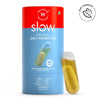 Daily Probiotic Slow
₹1,119 – ₹2,238
Daily Probiotic Slow
₹1,119 – ₹2,238
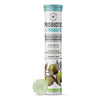 Probiotic + Prebiotic
₹559 – ₹3,355
Probiotic + Prebiotic
₹559 – ₹3,355





Leave a comment